
While prescription medications are vital for health, certain drugs carry a high risk of misuse. If use becomes unmanageable, seeking professional prescription drug addiction treatment is the most effective way to regain control and ensure long-term safety. Prescription drug misuse occurs when someone takes medication in a manner not intended by the prescribing doctor. This can involve taking larger doses, using someone else’s prescription, or using the medication for recreational purposes.
Abusing prescription medications can have serious, far-reaching consequences. Aside from the development of addiction, misuse can also result in overdose, which can be fatal. Overuse of medications such as sedatives or opioids can impair mental clarity, leading to dangerous decisions or behaviors, such as engaging in risky activities like unprotected sex, which increases the risk of sexually transmitted infections.
Additionally, misuse can slow reaction times and impair decision-making, leading to vehicle accidents and other dangerous situations. When drugs are taken in ways they were not intended (for example, crushing pills and inhaling them instead of swallowing), it can significantly intensify harmful side effects. Ultimately, prescription drug abuse often progresses to substance use disorders. However, enrolling in a specialized prescription drug addiction treatment program can help individuals break the cycle of misuse and begin a healthy, substance-free life.
What are Prescription drugs? Prescription drug addiction rehab
Prescription drugs are medications prescribed by healthcare providers to manage or treat specific health conditions, both physical and mental. When used properly, these medications can significantly improve health and quality of life. However, misusing prescription drugs, whether by taking them in ways not prescribed, in higher doses, or for purposes other than intended, can lead to serious risks, including addiction, mental or physical health issues, and even overdose.
What Is prescription drug abuse?
Prescription drug abuse occurs when someone uses medication in ways not intended by the prescribing doctor, often for non-medical reasons. Research from the National Survey on Drug Use and Health shows that around 14.4 million people aged 12 or older misused prescription psychotherapeutic drugs in the past year. This included 8.6 million who misused prescription pain relievers, 4.7 million who misused tranquilizers or sedatives, and 3.9 million who misused prescription stimulants. This misuse can lead to harmful and potentially life-threatening consequences.
Abusing prescription drugs can alter brain function, affecting self-control and decision-making abilities. While many initially choose to use these drugs, repeated use can lead to changes in the brain that make it harder to stop. However, specialized support can help rewire these pathways, making prescription drug addiction recovery an attainable goal for those struggling with cravings.
Commonly Abused Prescription Drugs
Prescription drugs commonly misused include opioids, central nervous system (CNS) depressants, and stimulants, each of which poses risks when not used as prescribed.
Opioids
Doctors typically prescribe opioids to manage severe or chronic pain. These drugs work by binding to specific receptors in the brain to block pain signals and also increase dopamine activity, which contributes to feelings of pleasure. This mechanism can make opioids highly addictive.
Common opioids include:
- Codeine (e.g., Fiorinal)
- Fentanyl (e.g., Actiq, Duragesic)
- Hydrocodone (e.g., Vicodin, Norco)
- Hydromorphone (e.g., Dilaudid)
- Morphine (e.g., MS Contin)
- Oxycodone (e.g., OxyContin, Percocet)
- Oxymorphone (e.g., Opana)
- Tramadol (e.g., Ultram)
Side effects of opioid misuse include:
- Constipation
- Impaired focus or memory
- Nausea or vomiting
- Sleepiness or sedation
- Slowed breathing
- Slurred speech
- Tiny pupils
CNS Depressants
CNS depressants, including sedative-hypnotic drugs like benzodiazepines and barbiturates, are often prescribed for anxiety, insomnia, and muscle spasms. These drugs enhance GABA, a neurotransmitter that calms brain activity, leading to sedation and relaxation.
Common CNS depressants include:
- Alprazolam (Xanax)
- Clonazepam (Klonopin)
- Diazepam (Valium)
- Lorazepam (Ativan)
- Eszopiclone (Lunesta)
- Zolpidem (Ambien)
- Pentobarbital (Nembutal)
Side effects of misuse include:
- Confusion or difficulty concentrating
- Dizziness or headache
- Sleep disturbances
- Slurred speech or uncoordinated movements
Stimulants
Stimulants are prescribed to treat conditions like ADHD, narcolepsy, and sometimes obesity. They work by increasing dopamine and norepinephrine activity in the brain, enhancing focus and energy but also increasing heart rate and blood pressure.
Common stimulants include:
- Amphetamine-dextroamphetamine (Adderall)
- Dextroamphetamine (Dexedrine)
- Methamphetamine (Desoxyn)
- Methylphenidate (Concerta, Ritalin)
- Modafinil (Provigil)
- Phentermine (Adipex)
Side effects of stimulant misuse may include:
- Increased heart rate, blood pressure, and body temperature
- Loss of appetite or weight loss
- Hyperactivity and insomnia
- Uncontrollable muscle movements or tics
Factors that contribute to prescription drug abuse
Prescription drugs can be lifesaving when taken as prescribed, but when misused, they can lead to dangerous consequences, including addiction. Certain factors can increase a person’s susceptibility to misusing these medications, but a professional prescription drug addiction treatment center can provide the specialized support needed to overcome these risks and manage underlying triggers.. Through a specialized prescription drug addiction rehab, individuals can address these underlying factors—whether they stem from physical health issues, mental health struggles, or environmental influences, individuals may face a higher likelihood of developing a substance use disorder (SUD). Understanding these risks is the first step toward seeking specialized prescription drug addiction treatment that addresses the unique circumstances of each individual. Key factors that contribute to prescription drug misuse include:
- Age: Both younger and older individuals are at higher risk. Younger adults, particularly those between 18 and 25, are often more prone to experimentation and peer pressure, which can lead to prescription drug misuse. On the other hand, older adults, especially those over 65, often take multiple medications, which increases the risk of combining drugs in ways that can be harmful.
- Gender: Research shows that women are more likely than men to misuse prescription medications, sometimes using them to self-medicate emotional pain or as a way to manage stress. Women may also take larger doses than prescribed, contributing to a higher likelihood of developing a substance use disorder.
- Mental Health Conditions: People struggling with mental health disorders like depression, anxiety, or PTSD often turn to prescription drugs as a way of coping with their symptoms. This can lead to misuse and increase the risk of developing a dependency. Misusing medication to manage mental health conditions, rather than seeking appropriate treatment, can intensify both the mental health issue and the risk of addiction.
- Chronic Pain and Health Issues: Those suffering from chronic pain or ongoing health problems are more likely to misuse prescription drugs like opioids. The need to manage pain may lead individuals to exceed prescribed dosages or use medications for longer periods than recommended, raising the risk of dependence.
- Substance Abuse History: A past history of substance misuse is one of the strongest indicators of future prescription drug misuse. Those who have struggled with addiction in the past may be more vulnerable to developing a dependency on prescription medications, especially if they are experiencing emotional or physical pain.
- Family and Social Influence: Family members, friends, and coworkers can all influence an individual’s behavior. Growing up in an environment where prescription drug misuse is common or witnessing misuse in social circles can normalize the behavior and increase the likelihood of an individual engaging in similar practices.
- High Dosage or Extended Use: Taking medications in higher doses than prescribed, or using them for longer than intended, is a significant risk factor for addiction. This is particularly true for medications like opioids, which are often prescribed for pain management but can lead to tolerance and dependence when misused.
- Seeking Euphoric Effects: Some individuals misuse prescription drugs for the euphoric or pleasurable feelings they can produce. Opioids, for instance, release large amounts of dopamine in the brain, leading to feelings of intense pleasure. This effect can be addictive, leading individuals to misuse the drugs repeatedly.
Symptoms of Prescription drug abuse
Identifying prescription drug misuse can be challenging, as the signs are not always obvious. While side effects are common, recognizing the behavioral patterns of misuse is essential for determining when it is time to explore prescription drug addiction treatment options.
Doctors diagnose SUD based on specific behavioral patterns, and at least two of the following must be present:
- Taking higher doses or using the drug for longer than prescribed.
- Wanting to stop or cut back but being unable to.
- Spending a significant amount of time obtaining, using, or recovering from the drug’s effects.
- Strong cravings for the substance.
- Inability to fulfill responsibilities at work, school, or in personal relationships due to drug use.
- Continuing use even when it negatively impacts relationships or causes conflict.
- Reducing participation in social, work, or leisure activities because of the substance.
- Using the drug in dangerous situations or environments.
- Persisting in use even after experiencing physical or mental health issues linked to the drug.
- Developing a tolerance, requiring more of the drug to achieve the same effects.
- Experiencing withdrawal symptoms when not using the drug, relieved only by resuming use.
Prescription drug addiction treatment
Treatment for prescription drug addiction is highly effective when it incorporates both therapy and medication.
Detox
Prescription drug dependence can develop even when medications are used as prescribed. Over time, the body becomes accustomed to certain medications, such as opioids, benzodiazepines, and stimulants, leading to physical dependence. Stopping or reducing these drugs can trigger withdrawal symptoms, which can vary in intensity based on the drug type, usage duration, and dosage.
Although withdrawal from prescription medications is not typically life-threatening, the discomfort and cravings it causes can lead to relapse. Medically supervised detoxification helps manage withdrawal safely and comfortably, allowing individuals to stabilize both physically and mentally before beginning the next stage of treatment. During detox, healthcare professionals may use medications to reduce symptoms and prevent complications.
Rehabilitation Programs
Once detox is complete, the focus transitions to rehabilitation, where the emphasis is on healing the mind and addressing the root causes of misuse. Our comprehensive prescription drug addiction treatment involves a personalized approach, combining various therapeutic modalities to meet the individual’s unique needs and challenges.
Inpatient Treatment
Inpatient prescription drug addiction rehab provides around-the-clock care in a secure, structured environment. This intensive form of treatment is ideal for individuals who require constant supervision and support during the early stages of recovery. Inpatient treatment typically involves a mix of individual therapy, group therapy, psychoeducation, and, in some cases, medication to address the emotional and psychological challenges of prescription drug misuse.
Outpatient Treatment
Outpatient prescription drug addiction rehab allows individuals to continue with their daily lives while receiving treatment. Services are provided in scheduled sessions, often including individual counseling, group therapy, and support programs. These options offer more flexibility than inpatient care and can be used as a step-down from residential treatment or as an initial treatment approach. For some individuals, telehealth services are an effective way to access ongoing support from home.
Aftercare and Continuing Care
Aftercare is a crucial component of long-term prescription drug addiction recovery. It involves continued support to help individuals maintain their progress after completing formal treatment. Aftercare services can include sober living programs, continued counseling, participation in support groups (such as 12-Step programs), and peer support networks. These services play a significant role in reducing the risk of relapse by providing individuals with the tools and community they need to stay on track.
Medications for Prescription Drug Addiction
Medication-assisted treatment (MAT) is often used to help individuals manage cravings and withdrawal symptoms, particularly with medications that lead to physical dependence. As a core component of prescription drug addiction treatment, MAT—in combination with behavioral therapy—offers a holistic approach that increases the chances of long-term recovery.
- Buprenorphine helps alleviate withdrawal symptoms and cravings by stabilizing opioid receptors without inducing the high associated with opioids.
- Naltrexone (available as a monthly injection or pill form) works by blocking the effects of prescription opioids, preventing the euphoria they induce and reducing cravings, which can help prevent relapse.
For individuals using benzodiazepines or stimulants, specific medications may be prescribed to manage anxiety, insomnia, or other symptoms while they continue with therapy. At our prescription drug addiction treatment center, MAT is used in combination with behavioral therapy to offer a holistic approach to care, significantly increasing the chances of long-term recovery.
Get the addiction treatment you need here
Realizing you might have a problem with drugs or alcohol is never easy, and asking for help can feel even harder. If you or someone you care about is ready to take that step, our treatment centers can help. Call (888) 899-3880 or use our confidential contact form to reach a recovery specialist. They can help you decide if treatment is needed, explain your options, and work with you on insurance and next steps You can also call SAMHSA’s National Helpline at (888) 899-3880 for information on treatment resources in your area.
Sources
- Center for Behavioral Health and Statistics and Quality. (July 2024). Key Substance Use and Mental Health Indicators in the United States: Results from the 2023 National Survey on Drug Use and Health. Substance Abuse and Mental Health Services Administration, Rockville, MD.
- National Institute on Drug Abuse. (June 2020). Misuse of prescription drugs research report.
- National Institute on Drug Abuse. (August 2024). Opioid Overdose Crisis.
- National Institute on Drug Abuse. (July 2020). Drugs, Brains, and Behavior: The Science of Addiction Drug.
- Department of Justice/Drug Enforcement Agency. (April 2020). Stimulants.
- Food and Drug Administration. (February 2019). Information about medication-assisted treatment (MAT).
About the content
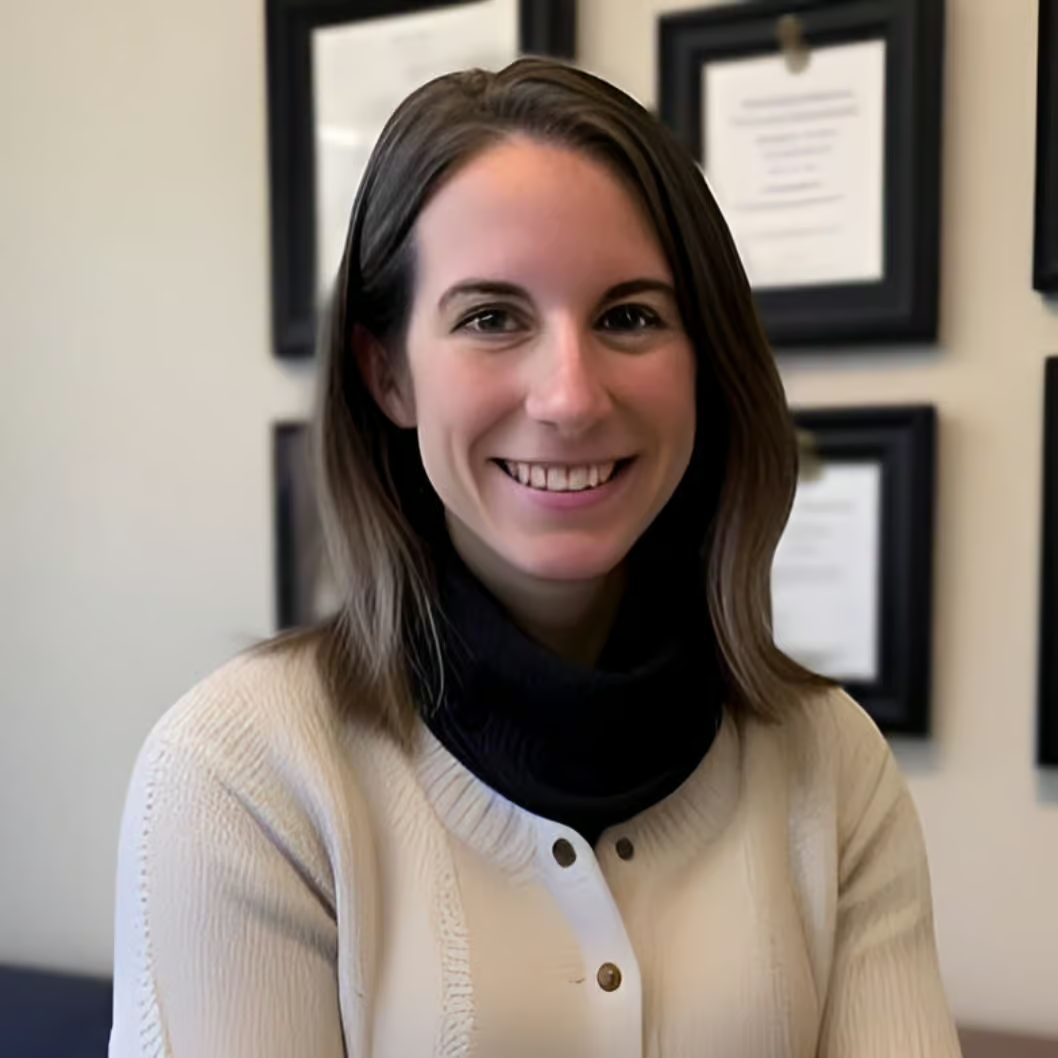
Written by: Carli Simmonds. Carli Simmonds holds a Master of Arts in Community Health Psychology from Northeastern University. From a young age, she witnessed the challenges her community faced with substance abuse, addiction, and mental health challenges, inspiring her dedication to the field.
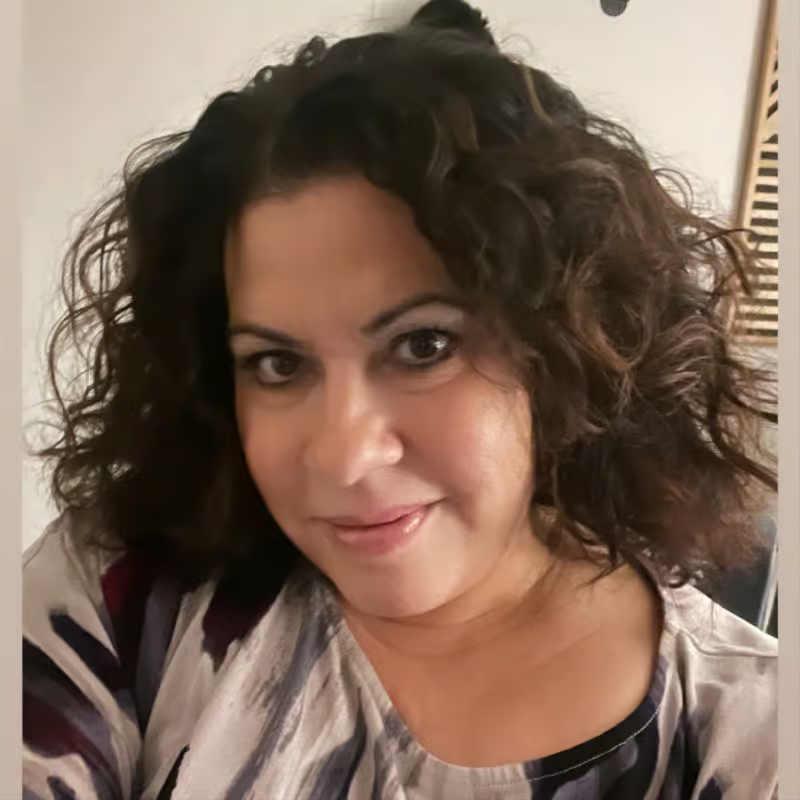
Medical reviewed by: Jodi Tarantino, LICSW. Jodi is an experienced, licensed Independent Clinical Social Worker (LICSW) and Program Director with over 20 years of experience in Behavioral Healthcare, demonstrating expertise in substance use disorders, mental health disorders, crisis intervention, training development, and program development. She is a skilled leader in business development with a Master of Social Work (MSW) in Community and Administrative Practice from the University of New Hampshire.
Red Ribbon Recovery is committed to delivering transparent, up-to-date, and medically accurate information. All content is carefully written and reviewed by experienced professionals to ensure clarity and reliability. During the editorial and medical review process, our team fact-checks information using reputable sources. Our goal is to create content that is informative, easy to understand and helpful to our visitors.

TREATMENT PROGRAMS
ADDICTION TYPES
Check if your insurance will cover the cost of mental health treatment


