
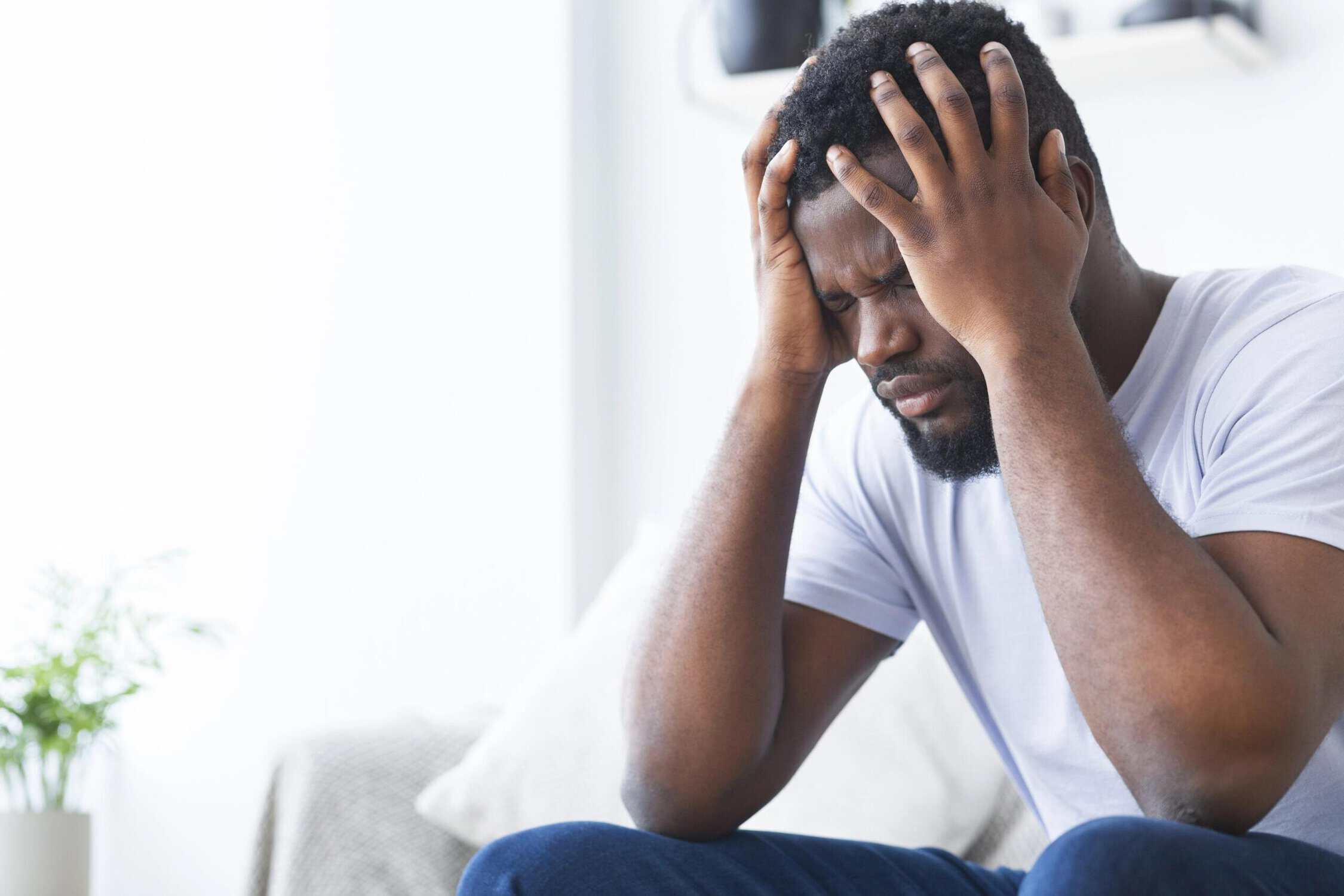
Waking up after a night of drinking with your heart pounding and a fog of dread hanging over you is a real, physical event, not a character flaw. That morning unease points to a deeper pattern in the relationship between alcohol and anxiety. Alcohol can soften your nerves for a few hours, but it almost always sets up a harder emotional landing once it leaves your system. Understanding how that cycle actually works makes it far easier to choose habits that move you toward lasting calm instead of another rough morning.
The relationship between alcohol and anxiety
Alcohol alters your brain chemistry the moment it enters your bloodstream, slowing your central nervous system and creating a false sense of peace. It reliably produces significant anxiety once the initial effects wear off. When drinking and anxiety start feeding each other, dual diagnosis treatment is designed to address both at the same time.
Understanding the science of addiction and brain chemistry helps explain why the crash hits so hard. When you consume alcohol, it stimulates a calming neurotransmitter called GABA. GABA is responsible for making you feel relaxed and less inhibited. At the same time, alcohol triggers the sudden release of dopamine. Dopamine is a feel-good chemical that your brain strongly associates with pleasure.
This chemical flood feels very good at first. You might feel much more confident in highly stressful social situations. Your daily worries might seem less overwhelming for a few hours. However, this relief is entirely temporary. Your brain is a delicate ecosystem that constantly seeks natural balance.
To compensate, your brain slows down its natural production of these chemicals. It also ramps up excitatory chemicals to fight the depressant effects. This leaves your brain in a state of severe chemical imbalance. You are left with high levels of excitatory chemicals and low levels of calming ones. This severe imbalance triggers a powerful and distressing rebound effect. You typically feel much more nervous than you did before drinking. This rebound hyperexcitability can feel incredibly overwhelming and hard to manage.
How alcohol affects anxiety
Alcohol acts as a powerful central nervous system depressant. It temporarily slows down your overall brain activity. This artificially dampens your natural fight-or-flight response. You feel safe and completely calm while the alcohol is active. But your brain perceives this artificial slowing as a serious problem.
Your brain attempts to fix this by increasing your stress hormones. It pumps out cortisol and adrenaline to keep your body awake. When the alcohol wears off, these stress hormones remain very high. This is why you wake up feeling panicked and physically jittery. Your dampened fight-or-flight response suddenly snaps back into overdrive.
Every time you drink to calm down, you damage your resilience. Your nervous system forgets how to soothe itself naturally. This makes everyday stressors feel much more threatening and difficult. The temporary escape is never worth the long-term chemical damage. True peace requires a highly stable and healthy central nervous system.
| Timeframe | Brain chemistry impact | Emotional & physical response |
|---|---|---|
| Immediate | Increased GABA and dopamine release | Temporary relaxation and euphoria |
| Next day | Depleted neurotransmitters, rebound effect | Heightened baseline nervousness, physical jitters |
| Long-term | Chronic GABA downregulation, tolerance | Persistent anxiety, dependence on alcohol to cope |
What is hangxiety?
Hangxiety is the wave of anxiety after drinking that shows up the next morning, and it is one of the clearest examples of how alcohol and anxiety feed each other. As the alcohol clears your system, your brain is left short on the calming chemicals it leaned on the night before and flooded with stress hormones instead. The result is a racing heart, spinning thoughts, and a heavy sense of dread that can feel out of proportion to anything happening around you.
The intensity of hangxiety usually tracks with how much you drank and how anxious you tend to run at baseline. Heavy or binge drinking creates a steeper chemical rebound, so the anxiety after drinking hits harder and lingers longer. People who already live with anxiety, depression, or chronic stress often feel it most, because alcohol strips away the coping reserves they rely on to steady themselves.
For most people, the sharpest symptoms ease within a day as the body rehydrates and neurotransmitter levels recover. When the dread refuses to lift, or when you find yourself drinking again just to quiet it, that pattern is worth taking seriously rather than writing off as a bad hangover. Recurring hangxiety is often the first visible sign that alcohol has become a way to manage emotions rather than an occasional indulgence.
Managing alcohol-induced anxiety
If you wake up feeling panicked, there are practical steps you can take. Managing alcohol induced anxiety starts with caring for your physical body. Your brain cannot calm down if your body is in severe distress. Actionable, immediate strategies can significantly reduce your current discomfort. Do not try to fight the anxious thoughts directly right now.
Steps to calm your body right now
First, focus on rehydrating your entire system. Drink a large glass of water as soon as you wake up. Consider sipping a sports drink to replenish your lost electrolytes. Rehydrating helps lower your heart rate and reduces physical dizziness. It gives your body the basic resources it needs to recover.
Next, stabilize your rapidly dropping blood sugar. Eat a light, nutritious meal even if you feel slightly nauseous. Complex carbohydrates and lean proteins are the best choices right now. Eating helps stop the flood of adrenaline in your system. It signals to your brain that you are safe and nourished.
Resting is critical during this vulnerable recovery phase. Your nervous system is overwhelmed and needs time to reset. Lie down in a quiet, dark room and close your eyes. Practice slow, deep breathing to calm your fight-or-flight response. Do not force yourself to be productive while you feel panicked.
Focusing on nutrition and hydration in recovery gives your body the resources it needs to stabilize. These basic self-care actions provide a solid foundation for emotional stability. Avoid coffee and energy drinks while you feel this way. Caffeine is a powerful stimulant that will make your jitters much worse. Stick to water, herbal tea, or clear, warm broths.
Drinking more mindfully if you choose to
If you choose to drink in the future, plan ahead carefully. Pacing your intake is the best way to prevent severe rebounds. Limit yourself to only one alcoholic beverage per hour. Alternating every alcoholic drink with a full glass of water is essential. This keeps you hydrated and slows your overall alcohol consumption.
Always eat a balanced meal before you take your first sip. Having food in your stomach slows the absorption of alcohol. It prevents the chemical spikes that cause severe next-day panic. Setting a strict limit for yourself before you go out helps too. Decide exactly how many drinks you will have and stick to it.
Knowing when to reach out for help
Sometimes these strategies are not enough on their own. It is important to recognize when your drinking has become a genuine problem. If your anxiety after drinking is frequent, pay close attention. If the panic is severe enough to disrupt your life, take it seriously. These are clear signs that your nervous system is heavily struggling.
Relying on alcohol to constantly cope with daily stress is a major warning sign. If alcohol is your primary tool for relaxation, you are at real risk. Addiction specialists consistently find that early, integrated care for drinking and anxiety produces the best outcomes. Seeking professional support can prevent a manageable issue from becoming a severe addiction.
Do not wait until your life falls apart to ask for help. Mental health professionals are trained to help you build healthier coping mechanisms. They can teach you how to manage stress without relying on harmful substances. Getting professional support is a brave and proactive choice. You do not have to navigate this overwhelming chemical cycle alone.
When to seek treatment for alcohol and anxiety
Self-care helps you survive a rough morning, but it cannot rewire a nervous system that has come to depend on alcohol. If your anxiety after drinking keeps returning, or you notice yourself drinking specifically to quiet next-day panic, professional treatment addresses the root of the cycle rather than the symptoms. Red Ribbon Recovery treats drinking and anxiety together through dual diagnosis care, so neither condition is left to quietly fuel the other.
Reaching out early is often easier than waiting for a crisis. The longer alcohol serves as your primary coping mechanism, the more your natural stress response becomes disrupted, making the cycle increasingly difficult to break without professional support.
Comprehensive assessment and dual diagnosis treatment
Treatment typically begins with a comprehensive assessment of both your alcohol use and your mental health. Rather than focusing on anxiety or alcohol use alone, clinicians evaluate the full picture to develop a personalized treatment plan. Because these conditions often reinforce one another, dual diagnosis treatment addresses both simultaneously, helping reduce the risk of relapse and supporting long-term healing.
Levels of care for alcohol and anxiety recovery
Red Ribbon Recovery offers multiple levels of care so treatment can match your individual needs. A partial hospitalization program (PHP) provides the highest level of structured daytime support, while an intensive outpatient program (IOP) offers several therapy sessions each week with greater flexibility. As recovery progresses, standard outpatient treatment provides continued counseling and accountability while helping you transition back into everyday life.
Building healthier coping skills
Recovery involves more than simply stopping alcohol use. Through evidence-based therapies, you’ll learn to recognize the thoughts, emotions, and situations that trigger both cravings and anxiety. Individual counseling, group therapy, and practical coping strategies help you manage stress without relying on alcohol. Connecting with others who understand the recovery process can also reduce feelings of isolation and provide encouragement throughout your journey.
Lasting recovery is possible
Seeking treatment is not a sign of failure but a decision to break the cycle of drinking and anxiety. With the right clinical support, it is possible to restore emotional balance, develop healthier coping skills, and build lasting recovery. Instead of waking up each day feeling trapped by alcohol and anxiety, you can move forward with greater confidence, stability, and hope.
Finding a way forward from alcohol and anxiety
Healing from the cycle of alcohol and anxiety begins with understanding your own body. You do not have to stay trapped in a pattern of drinking to calm your nerves, only to face rebound panic the next day. Reaching out for compassionate, professional guidance is a strong and practical choice. If you are tired of waking up with dread, contact Red Ribbon Recovery.
Call our admissions team today at (888) 899-3880 to talk through an integrated care plan that fits your life. We offer evidence-based dual diagnosis support through our outpatient, intensive outpatient, and partial hospitalization programs. You can also verify your insurance for treatment online to quietly explore your options. Reach out today to start building a foundation of genuine, lasting peace. Contact us today.
FAQs
Yes. While alcohol may temporarily help you relax, it can actually make anxiety worse as its effects wear off. Alcohol affects the central nervous system and brain chemistry, which can lead to symptoms such as a racing heart, restlessness, excessive worry, or a sense of impending doom the following day. Over time, repeated alcohol use may increase the frequency and severity of anxiety symptoms.
Feeling anxious after drinking is common, especially after heavy alcohol consumption. As your body processes alcohol, changes in brain chemicals and the central nervous system can trigger physical symptoms like an increased heart rate, sweating, shaking, and nervousness. These effects are more likely if you drink frequently, have developed a tolerance, or already have an anxiety disorder or mood disorder.
Alcohol does not directly cause every anxiety disorder, but long-term alcohol abuse can contribute to or worsen existing mental health conditions. Some people develop alcohol-induced anxiety symptoms that improve with sobriety, while others have an underlying anxiety or mood disorder that becomes more noticeable once alcohol use decreases. A professional evaluation can help determine the underlying cause and recommend the most appropriate treatment.
When alcohol and anxiety occur together, treating both conditions at the same time often leads to better outcomes. Dual diagnosis treatment may include medical support, individual therapy, group counseling, medication management when appropriate, and evidence-based approaches that address both addiction and mental health. Treating only alcohol use or only anxiety may leave the other condition unresolved, increasing the risk of relapse.
You should consider seeking professional support if anxiety continues after you stop drinking, alcohol becomes your primary way to cope with stress, or drinking begins affecting your health, relationships, or daily responsibilities. Early treatment can help you safely manage alcohol dependence, identify underlying mental health concerns such as anxiety or depression, and develop healthier coping strategies that support lasting recovery.
Sources
- Finn, D. A. (1997). Exploring Alcohol Withdrawal Syndrome. National Institutes of Health.
- Anker, J. J. (December 30, 2019). Co-Occurring Alcohol Use Disorder and Anxiety. National Institutes of Health.
- Grant, B. F. (August 1, 2004). Prevalence and Co-occurrence of Substance Use Disorders and Independent Mood and Anxiety Disorders. JAMA Psychiatry.
- Crum, R. M. (July 1, 2013). Drinking to Self-medicate Mood Symptoms. JAMA Psychiatry.
- Smith, J. P. (2012). Anxiety and Alcohol Use Disorders. National Institutes of Health.
- MedlinePlus. (December 20, 2023). Dual Diagnosis. National Library of Medicine.
- Substance Abuse and Mental Health Services Administration. (September 26, 2025). Managing Life with Co-Occurring Disorders. SAMHSA.
- Sachdeva, A. (September 1, 2015). Alcohol Withdrawal Syndrome: Benzodiazepines and Beyond. National Institutes of Health.
- Turner, S. (July 12, 2018). Self‐medication with alcohol or drugs for mood and anxiety disorders. National Institutes of Health.
- Harvard Health Publishing. (November 5, 2024). Alcohol Withdrawal. Harvard University.