
If you’re asking, “how long does acid stay in your system?” it’s likely coming from a place of concern. Maybe you’re worried about an upcoming drug test, or perhaps you’re reflecting on an intense experience and trying to understand its lingering effects. Whatever the reason, you’re looking for clear, straightforward answers, and that’s exactly what we’re here to provide. You’re not alone in this, and getting informed is a powerful first step toward peace of mind.
What is LSD?
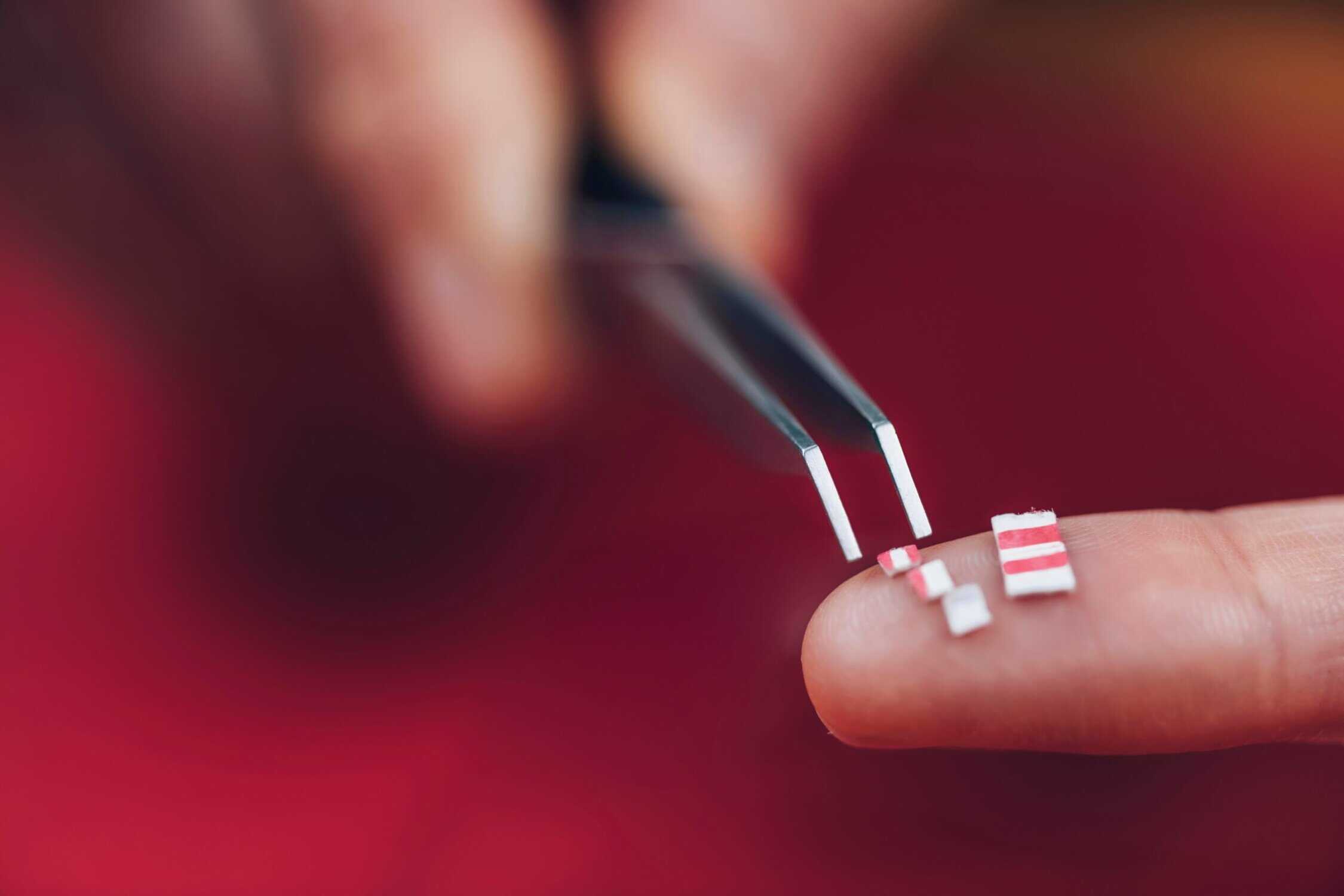
LSD, short for lysergic acid diethylamide, is a powerful hallucinogenic drug known for its ability to alter perception, mood, and thought. Commonly called “acid,” it’s often sold on blotter paper, as a liquid, or in gelatin squares. An LSD “trip” can be an unpredictable journey. The effects often include visual and auditory hallucinations, a distorted sense of time, and intense emotional shifts.
For some, this experience can feel enlightening, but for others, it can be frightening and confusing. Because LSD has such a profound impact on the brain, understanding its effects is key. The way psychoactive substances interact with your brain’s chemistry is a complex process, which is why learning about the science of addiction can help clarify how these changes happen.
How long do the effects last?
When you take LSD, the experience follows a general timeline, though it can feel different for everyone. The entire trip, from start to finish, typically lasts between 6 and 12 hours. It’s not an instant experience; it unfolds in stages, each with its own distinct feelings.
First is the onset, which usually begins about 30 to 90 minutes after taking the drug. You might start to notice subtle changes in your vision or mood. Next comes the peak, hitting around 2 to 4 hours in. This is when the effects are most intense, hallucinations may be vivid, and emotions can feel overwhelming. After the peak, the comedown phase begins.
The effects gradually fade over the remaining hours, and you slowly return to your usual self. Many people experience an “afterglow” for a day or so, where they might feel tired, reflective, or emotionally sensitive. If you’re looking for support during this phase, a professional detox program can provide a safe environment to manage any lingering effects.
How long does LSD stay in your body?
One of the biggest questions people have is about how long acid physically remains in their system. The answer might surprise you: LSD is processed by the body relatively quickly. Your liver is incredibly efficient at breaking it down. In fact, 50% of the drug actually leaves the body less than five hours after ingesting it. This rapid metabolism means the parent drug doesn’t stick around for long.
Acid is quickly transformed into inactive compounds, or metabolites, by your liver. This process is so effective that it leaves about 1 percent of unchanged LSD in your urine. While the drug itself is gone quickly, these metabolites are what drug tests are designed to look for. Because of its short half-life, the detection window for LSD is quite narrow compared to other substances, but it varies depending on the type of test used.
Urine
For a urine test, the detection window for LSD metabolites is typically one to three days after use. It’s important to know that standard drug tests, like a 5-panel or 10-panel screen, do not usually include LSD. A special, more specific test is required to detect its metabolites in urine. So, while it’s detectable for a few days, it’s not something that’s commonly screened for in routine drug tests.
Blood
LSD moves through the bloodstream very quickly. A blood test can typically only detect it for about two to four hours after use. Because this detection window is so short, blood tests are rarely used to screen for LSD. They are generally only practical in specific situations, like a hospital setting, immediately following ingestion.
Swab
A saliva, or swab test, has a slightly longer detection window than a blood test. LSD can be detected in saliva for up to two days after use. While this method is less common than urine testing, it can be an effective way to screen for very recent use. Like other forms of LSD testing, it requires specialized equipment and is not part of a standard screening panel.
Hair
A hair test offers the longest detection window by far. Traces of LSD can be found in hair follicles for up to 90 days, and sometimes even longer, depending on the length of the hair sample. Hair tests aren’t designed to detect a single instance of use; instead, they are used to identify a pattern of repeated, long-term use. This type of test is uncommon for LSD and is typically reserved for specific legal or forensic situations.
Factors that influence the detectability of acid
The timelines for detecting LSD aren’t the same for everyone. Several personal factors can influence how long the drug and its metabolites remain in your body. It’s not a one-size-fits-all answer, and understanding these variables can help you see the bigger picture.
- Dosage. The more LSD you take, the longer it will take for your body to process and eliminate it. A higher dose can extend the detection window across all types of tests.
- Frequency of use. If you use LSD regularly, it may accumulate in your system, making it detectable for a longer period than with a single, isolated use.
- Age. As we get older, our metabolism tends to slow down. This means a younger person may process and eliminate LSD faster than an older individual.
- Body mass and composition. Your weight, height, and body fat percentage can all play a role. A higher metabolism, often associated with lower body fat, can speed up the elimination process.
- Metabolism rate. Everyone has a unique metabolic rate. A naturally fast metabolism will help clear substances from your system more quickly.
- Liver health. Your liver does the heavy lifting when it comes to breaking down LSD. If your liver function is impaired for any reason, it will take longer to metabolize the drug.
Misconceptions and myths about LSD
There are many myths surrounding LSD, and one of the most persistent is the idea that it gets stored in your spinal cord and can be released later, causing flashbacks. This is simply not true. It’s likely that this myth originated during the 1960s, when LSD users experienced flashbacks, leading to misconceptions about the drug’s long-term effects. The truth is that LSD is water-soluble and is eliminated from your body within a few days. It does not embed itself in your spine or any other part of your body for the long term.
So, what are flashbacks? These experiences are part of a recognized neurological condition called hallucinogen persisting perception disorder (HPPD), which can cause someone to re-experience visual distortions from a previous trip. This is a brain issue, not a case of the drug being re-released into your system. When it comes to the question of “how to flush it out,” the only real answer is time. Your body will naturally process and eliminate the drug. There are no quick fixes or detox kits that can speed this up. The best approach is to support your body with hydration, nutrition, and rest.
What are the risks of using LSD?
While an LSD trip can be a positive experience for some, it also comes with significant risks. The most well-known short-term risk is having a “bad trip,” which can be an intensely frightening experience filled with anxiety, paranoia, and a terrifying sense of losing control. Because your judgment is impaired, you might also engage in dangerous behaviors you wouldn’t otherwise consider.
The long-term psychological risks are just as serious. For some individuals, LSD use can trigger hallucinogen persisting perception disorder (HPPD), causing recurring visual disturbances long after the drug has left the body. There is also a risk of triggering psychosis or other latent mental health conditions, especially in those with a personal or family history of mental illness. If you’re struggling with the psychological aftermath of substance use, seeking help for co-occurring disorders is a crucial step toward healing both the mind and body.
Is LSD addictive?
This is a common and important question. Clinically speaking, LSD is not considered a physically addictive substance. It doesn’t cause the classic withdrawal symptoms that are associated with substances like opioids or alcohol. However, this doesn’t mean that using it is without risk of dependence.
Users can develop a high tolerance to LSD very quickly, meaning they need to take more of the drug to achieve the same effects. More importantly, it’s possible to form a strong psychological dependence on the experience itself. Someone might start to feel like they need the escape or the altered perceptions that a trip provides, which can lead to a pattern of compulsive use.
Getting help for LSD use
If you find that your use of LSD is starting to affect your relationships, work, or mental health, it may be time to seek support. Recognizing that you need help is a sign of strength, and you don’t have to go through it alone. At Red Ribbon Recovery, we approach every person’s story with compassion and understanding. We know that the path to recovery is unique for everyone.
Flexible outpatient programs are designed to fit into your life, allowing you to get the care you need without putting everything else on hold. For those dealing with underlying mental health concerns, our recommended dual diagnosis programs provide integrated treatment to address both substance use and psychological well-being at the same time. With telehealth services available nationwide, getting support is more accessible than ever. You can connect with our team from the comfort and privacy of your own home. If you’re ready to take the next step, reach out to us for a free consultation. We’re here to listen and help you find your way forward.
Frequently asked questions
Most drug tests do not routinely detect LSD. Standard drug screenings often focus on substances like opioids, cocaine, or marijuana. To detect LSD, specific drug testing methods must be requested. Because LSD is active in very low concentrations and is rapidly metabolized, it can be difficult to identify. A laboratory testing reference guide typically shows that specialized testing is required to detect LSD metabolites. If LSD testing is needed, the type of drug test used significantly affects the detection window.
When people ask how long does acid stay in your system, they are usually referring to lysergic acid diethylamide (LSD). LSD is rapidly metabolized and typically remains in the body for a short period of time compared to many other drugs. The detection window depends on the type of drug test administered, how much LSD was taken, overall health, and how frequently someone uses it. In most cases, LSD effects from the initial trip last 8 to 12 hours, but the drug itself may only stay in your system for about 1 to 3 days in detectable amounts using specialized laboratory testing methods.
Taking LSD, whether in liquid form, on blotter paper, or on sugar cubes, can produce intense psychedelic effects. LSD affects serotonin receptors in the brain and can cause visual hallucinations, altered thinking, and emotional shifts such as intense fear during a bad trip. Physical effects may include increased blood pressure, changes in the gastrointestinal system, and altered perception of time. Higher doses increase risks, especially when combined with other substances. For individuals struggling with substance abuse, drug use, or long term LSD misuse, addiction treatment and mental health support can help address underlying issues and reduce harm.
Understanding how long LSD stays in your system
Navigating the world of substance use can feel overwhelming, but having clear information is the first step toward feeling in control. The most important takeaway is that while LSD leaves your body quickly, its psychological effects are what truly matter. Understanding these facts can help reduce anxiety and empower you to make informed decisions about your health and well-being. Remember, healing is possible, and there is always hope. If you or someone you care about is struggling, support is available. Reaching out is a brave first step toward recovery and a healthier future.
Taking that step is the most important part of the journey. If you’re ready to talk, our team is available 24/7 to offer support and guidance. Call us now at (888) 899-3880 to get the help you deserve. You can also learn more about our approach at Red Ribbon Recovery MAIN or contact us today. Your path to wellness starts today.