
Watching alcohol slowly take over your life, or the life of someone you love, is a painful and often confusing experience. You know something needs to change, but the path forward seems unclear. If you’re exploring options for treating alcohol use disorder, you may have heard about naltrexone for alcoholism. It’s natural to have questions and even some skepticism. What is it, really? How does it work? Could it actually help? We understand where you’re coming from, and we want to provide clear, straightforward answers. This isn’t about making promises; it’s about sharing information and empowering you to make the best decision for your health and future.
How does naltrexone work?
So, how does naltrexone actually help with alcohol use disorder? At its core, naltrexone is an opioid antagonist. That might sound complicated, but the idea behind it is quite simple. When you drink alcohol, your brain releases endorphins, which are natural opioids. These endorphins activate parts of your brain that create a feeling of pleasure or reward, reinforcing the desire to drink more. This cycle of reward and craving is a powerful force in alcohol dependence.
Naltrexone works by blocking the opioid receptors in your brain. Think of it like turning down the volume on the part of your brain that gets that rewarding feeling from alcohol. It doesn’t prevent you from getting intoxicated, but it significantly dulls the pleasurable effects. When drinking is no longer as enjoyable, the motivation to drink often decreases. This interruption in the reward cycle is a key part of its mechanism of action. By reducing cravings, naltrexone helps create the mental space needed to focus on recovery without constantly battling the urge to drink. It’s a tool that supports the deeper work of healing within a comprehensive medication-assisted treatment plan.
How is naltrexone used to treat for alcohol use disorder?
When starting naltrexone treatment for alcoholism, one of the first questions people ask is, “How long will I have to take it?” There’s no single answer, as the duration of treatment varies for each person. A typical course can last from three months to a year, and sometimes longer, depending on your individual progress and needs. The goal is to use the medication as a support while you develop new coping skills and build a strong foundation for recovery.
naltrexone is available in two main forms, and your healthcare provider will help determine which is best for you. The decision often comes down to what best fits your lifestyle and helps you stay consistent with the treatment. Because adherence is so important, especially in outpatient settings, having different options makes it easier to create a plan that works for you. Consulting with a professional is the best way to explore whether oral or injectable naltrexone is the right fit for your journey.
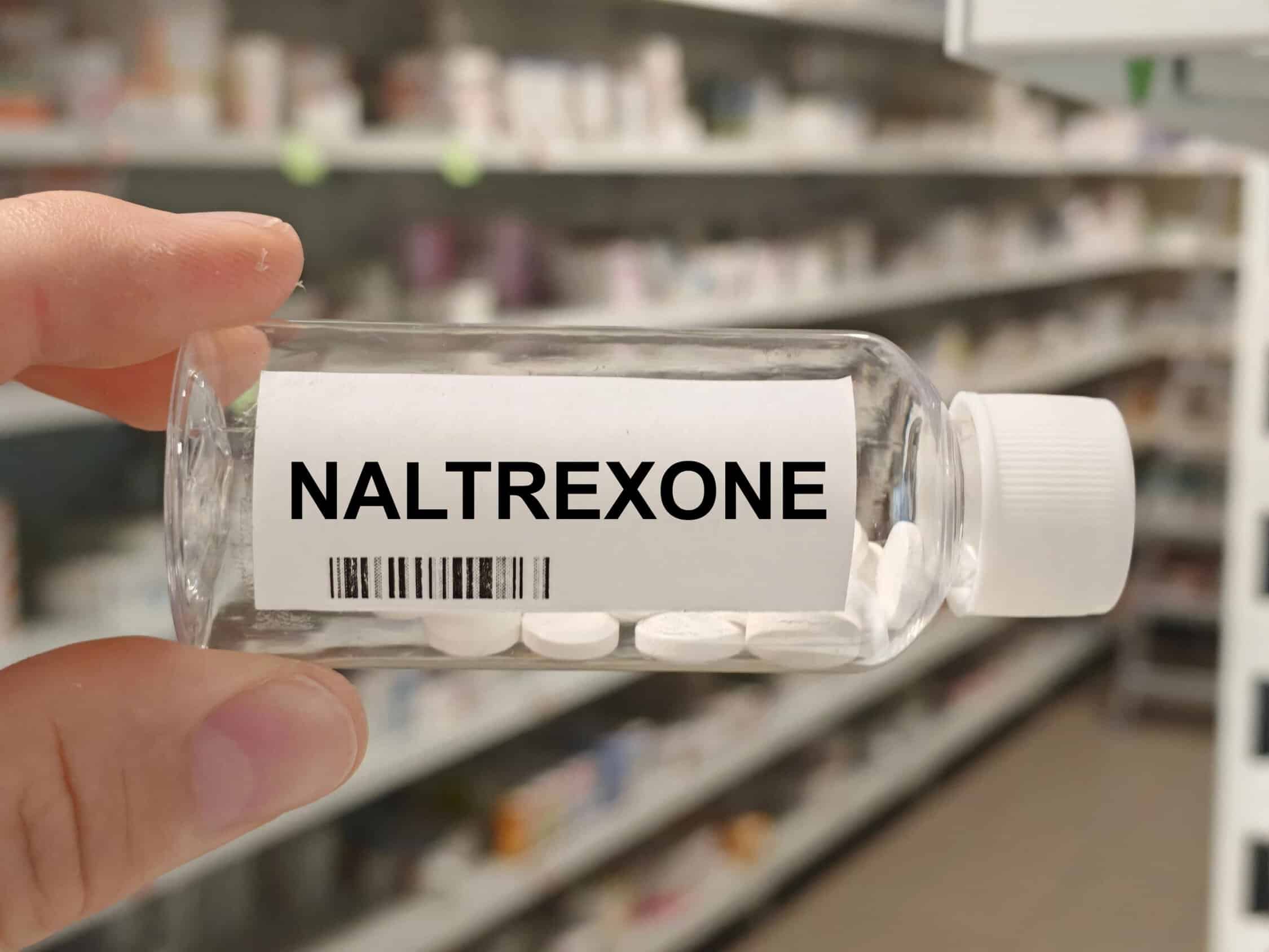
- Oral tablet. This is the most common form, typically a 50 mg pill taken once a day. It’s a straightforward option, but it requires commitment to take it daily.
- Extended-release injection. Known by the brand name Vivitrol, this is a shot given once a month. According to ASAM guidelines, the “extended-release injectable naltrexone 380 mg should be administered by deep IM injection in the gluteal muscle every four weeks.” The main benefit of the injection is that it removes the need to remember a daily pill, which can be a huge help in maintaining consistency and focusing on other aspects of recovery. This option can be particularly helpful for those in outpatient rehab programs.
Side effects
Like any medication, naltrexone can have side effects. The good news is that for most people, they are mild and tend to fade as your body gets used to the medication. It’s important to have an open conversation with your doctor about what to expect so you can feel prepared and confident in your treatment plan. The most frequently reported side effect is nausea, with some studies showing that up to 10 percent of people experience it. Headaches are also common.
Understanding the full picture, including who shouldn’t take the medication, is key to using it safely. Your healthcare provider will review your medical history to ensure naltrexone is a safe choice for you. Open communication with your doctor is essential for managing any side effects and ensuring the treatment is working as it should.
Adverse effects
While often mild, it’s helpful to be aware of the most common adverse effects. These often subside after the first few weeks of treatment, but you should always let your doctor know what you’re experiencing. Common side effects include:
- Nausea
- Headache
- Dizziness
- Anxiety
- Difficulty sleeping
- Abdominal pain or cramps
Using naltrexone therapy for alcohol use disorder
It’s important to see naltrexone for what it is: a powerful tool, not a standalone cure. At Red Ribbon Recovery, we believe that medication works best as part of a comprehensive, holistic treatment plan. Addiction is complex, affecting mind, body, and spirit. Medication alone can’t address the underlying emotional and psychological factors that contribute to alcohol dependence. Instead, naltrexone creates a valuable window of opportunity. By reducing cravings and the rewarding effects of alcohol, it helps clear the way for therapy and counseling to be more effective.
This is where an integrated approach becomes so vital. This ensures that you’re not just managing symptoms, but truly healing. When medication is combined with behavioral therapy and strong support, the outcomes for long-term recovery are significantly enhanced. If you’re also dealing with mental health challenges, our co-occurring disorders program can provide the integrated care you need.
Frequently asked questions
Naltrexone for alcoholism is a medication used in the treatment of alcohol use disorder and other substance use disorders. It works by blocking opioid receptors in the brain that are involved in the rewarding and reinforcing effects of alcohol. Normally, when a person drinks alcohol, the body releases chemicals called endogenous opioids that create feelings of pleasure. By blocking these receptors, naltrexone treatment can help reduce alcohol cravings and decrease alcohol consumption over time.
There are two common forms used in the treatment of alcohol addiction: oral naltrexone and extended release naltrexone. Oral naltrexone is typically taken daily, while extended release naltrexone is given as an injection that works for several weeks. The choice between these options often depends on patient preference, medical history, and the importance of medication adherence. Many treatment providers combine naltrexone therapy with counseling or behavioral interventions to support long term recovery.
Yes. Research including clinical trials, meta analysis, and systematic review studies has found that naltrexone can help reduce alcohol use, decrease heavy drinking days, and support preventing relapse. In many studies, participants randomly assigned to naltrexone had better outcomes compared with a placebo group, showing fewer drinking days and lower alcohol consumption overall.
For many individuals, naltrexone is considered an effective treatment when used under medical supervision. However, doctors often monitor liver enzymes and may order blood tests because high doses or certain conditions can increase the risk of liver injury. People with advanced liver disease may require further evaluation before starting treatment. Like many medications, some individuals may experience common adverse events such as nausea, headache, or fatigue.
Yes. Many experts, including organizations like the American Psychiatric Association, and guidance from the National Institute on substance use, recommend combining alcohol pharmacotherapies like naltrexone with psychosocial intervention and support programs. Treatment may include counseling, therapy, and recovery groups such as Alcoholics Anonymous. Combining medication with behavioral support can improve long-term recovery outcomes and help people stop drinking and maintain healthier lives.
Don’t suffer through withdrawal symptoms alone
Understanding your options is the first step. Naltrexone can help manage the physical side of alcohol dependence by reducing cravings, but lasting recovery often involves addressing emotional and psychological needs through therapy.
A supportive healthcare team can design a plan that fits your specific situation, combining medication with counseling. This integrated approach gives you the best chance to build a foundation for a healthier future.
If you’re ready to learn more about how we can help, please call us at (888) 899-3880. The team at Red Ribbon Recovery is here to answer your questions and help you explore the treatment options that can set you on a clear path forward. Contact us today.
Sources
- SAMHSA. [PDF] Addiction Treatment Forum Naltrexone Clinical Update. SAMHSA.
- Jonas, D. E., Amick, H. R., Feltner, C., Bobashev, G., Thomas, K., Wines, R., … & Asher, G. N. (2014). Pharmacotherapy for Adults With Alcohol Use Disorders in Outpatient Settings: A Systematic Review and Meta-analysis. JAMA, 311(18), 1889–1900.
- Antoni, R. F., O’Malley, S. S., Ciraulo, D. A., Cisler, R. A., Couper, D., Donovan, D. M., … & COMBINE Study Research Group. (2006). Combined Pharmacotherapies and Behavioral Interventions for Alcohol Dependence: The COMBINE Study: A Randomized Controlled Trial. JAMA, 295(17), 2003–2015.
- O’Malley, S. S., Jaffe, A. J., Chang, G., Schottenfeld, R. S., Meyer, R. E., & Rounsaville, B. (1992). Naltrexone and coping skills therapy for alcohol dependence. A controlled study. Archives of General Psychiatry, 49(11), 881–887.
- Garbutt, J. C., Kranzler, H. R., O’Malley, S. S., Gastfriend, D. R., Pettinati, H. M., Silverman, B. L., … & National Institute on Alcohol Abuse and Alcoholism (NIAAA). (2005). Efficacy and Tolerability of Long-Acting Injectable Naltrexone for Alcohol Dependence: A Randomized Controlled Trial. JAMA, 293(13), 1617–1625.
- Substance Abuse and Mental Health Services Administration (SAMHSA). (2025). What is Naltrexone? Side Effects, Uses, Dose & Risk. SAMHSA.
- O’Brien, C. P. (2008). Naltrexone for the Management of Alcohol Dependence. New England Journal of Medicine, 359(8), 815–817.
- Weill Cornell Medicine. (2018). Daily Drug for Opioid Use Disorder More Cost-Effective Compared With Monthly Injections. Weill Cornell Medicine.
- National Center for Biotechnology Information. (2023). Naltrexone – StatPearls. StatPearls Publishing.
- University of Illinois at Chicago. (2025). What is the recommended duration of naltrexone treatment for alcohol use disorder?. Drug Information Group, College of Pharmacy.
- SAMHSA. (2015). Medication for the Treatment of Alcohol Use Disorder. SAMHSA.
- SAMHSA. (2016). Prescription Drug Monitoring Programs: A Guide for Healthcare Providers. SAMHSA.
- U.S. Food and Drug Administration. (2013). Revia (naltrexone hydrochloride tablets USP) 50 mg. FDA.