
Inpatient addiction treatment centers offer a comprehensive and intensive program that addresses the physical, emotional, and psychological components of drug and alcohol addiction. With a focus on addressing the underlying causes of substance use and providing a supportive community for healing, inpatient rehab offers a safe and effective addiction treatment option for those looking to break free from the cycle of substance abuse.
Through a combination of counseling, medical support, mental health services, and dual diagnosis treatment, individuals are guided through the complex process of withdrawal and recovery by experienced medical professionals, therapists, and support staff.
What is an inpatient drug rehab? A guide to inpatient treatment
Inpatient treatment, also known as residential treatment, provides comprehensive, structured care for individuals struggling with drug or alcohol addiction. As leading inpatient addiction treatment centers provide, this type of program offers around-the-clock medical supervision and therapeutic support, often beginning with medically supervised detox and integrated mental health care.
Inpatient treatment starts with a detailed evaluation of your personal needs. A clinical team carefully assesses your medical background, mental health status, and substance use history to build a customized recovery plan. With your consent, they may also coordinate with family members or healthcare providers you’re currently working with to address any additional concerns that may impact your recovery.

You can overcome addiction. Reach out to discover:
Is detox a part of inpatient rehab?
Detox is the process of clearing substances from the body, allowing individuals to begin their recovery with a stable foundation. While detox addresses the physical effects of withdrawal, inpatient rehab focuses on the psychological, emotional, and behavioral aspects of addiction.
Once detox is complete, individuals transition into inpatient treatment, where they participate in therapy, counseling, and structured programming designed to support long-term recovery. This phase helps individuals develop coping strategies, address underlying mental health concerns, and build a strong support system. Residential treatment centers provide a structured environment where individuals can focus entirely on their healing without external distractions or triggers, allowing for a deeper focus on long-term recovery.
What happens after residential drug rehab?
After completing residential drug rehab for conditions like substance abuse, mental health disorders, or other medical issues, individuals often transition to outpatient treatment programs to continue their recovery. Outpatient programs offer various levels of care tailored to meet the diverse needs of patients. The three common types of outpatient treatment programs that often follow inpatient drug treatment include:
Standard outpatient program (OP):
- This program typically involves regular therapy sessions, counseling, medication management, and group therapy.
- Patients attend sessions a few times a week, usually for an hour or two each session.
- It’s suitable for individuals who have a stable home environment and a moderate level of support.
- Standard outpatient programs allow patients to continue their daily activities, such as work or school, while receiving treatment.
Intensive outpatient program (IOP):
- IOP provides a more structured level of care than standard outpatient programs but is less intensive than inpatient treatment.
- Patients attend sessions more frequently, often several times a week, for multiple hours each session.
- The program offers a comprehensive range of services, including individual therapy, group therapy, education sessions, and sometimes family therapy.
- IOP is beneficial for individuals who require more support than what standard outpatient programs offer but do not need the round-the-clock care of inpatient treatment.
Partial hospitalization program (PHP):
- PHP offers the highest level of outpatient care and is sometimes referred to as day treatment.
- Patients attend treatment sessions several hours a day, usually five days a week.
- This program provides a structured and intensive therapeutic environment, often including individual therapy, group therapy, medication assisted treatment, medication management and other specialized healthcare services.
- PHP is suitable for individuals who require close monitoring and support but do not need 24-hour supervision provided in inpatient settings.
In all outpatient programs, the treatment team works closely with patients to develop individualized treatment plans tailored to their specific needs and goals. These plans may include therapy modalities such as cognitive-behavioral therapy (CBT), dialectical behavior therapy (DBT), medication-assisted treatment (MAT), and holistic approaches like yoga or mindfulness practices.
Additionally, outpatient programs often emphasize relapse prevention strategies, life skills development, and ongoing support to help patients maintain their recovery and successfully reintegrate into their communities. Regular assessment and adjustment of treatment plans are essential to ensure patients receive the most effective care throughout their recovery process.
What happens during inpatient treatment for drug and alcohol addiction treatment?
After detox, individuals move into inpatient treatment, where they join their peers and begin participating in structured rehab services. Each day follows a planned schedule that includes a combination of therapy, wellness activities, and educational sessions designed to support long-term recovery.
Therapeutic programming may include group therapy focused on substance use, individual counseling sessions, and mental health support for co-occurring conditions. Additional services such as medical check-ins, wellness and fitness activities, nutritional guidance, and family involvement help address the physical and emotional aspects of recovery. Educational workshops and relapse prevention planning at inpatient addiction treatment centers also play an important role in preparing individuals for the transition back to daily life after treatment.
Most inpatient programs are rooted in evidence-based practices that have been shown to support lasting sobriety. Treatment methods may include cognitive behavioral therapy (CBT), dialectical behavior therapy (DBT), motivational interviewing, mindfulness-based approaches, and twelve-step facilitation.
Free Insurance Check
Our rehab center accepts most insurance plans.
Check if your insurance will cover the cost of treatment by filling out our confidential insurance form. We accept most insurance plans.

How long Is inpatient rehab?
The duration of stay at inpatient drug treatment facilities can vary depending on several factors, including the individual’s specific needs, the severity of their addiction, and the program structure. Typically, inpatient rehab programs last anywhere from 28 days to 90 days or longer.
- 28 to 30-Day Programs: Many inpatient rehab programs offer a standard 28 to 30-day duration. These programs provide intensive treatment and support during the initial stages of recovery, including detox, therapy, and education about addiction.
- 60 to 90-Day Programs: Some individuals may benefit from longer-term inpatient rehab programs lasting 60 to 90 days. These extended programs allow for more comprehensive treatment, deeper exploration of underlying issues contributing to addiction, and greater emphasis on developing coping skills and relapse prevention strategies.
- Longer-Term Programs: In some cases, individuals with severe or long-standing addiction may require even longer periods of residential treatment for drug addiction, which can extend beyond 90 days. These longer-term programs provide ongoing support and intensive therapy to address complex addiction issues.
Ultimately, the duration of your stay in residential addiction treatment should be determined based on your specific needs and circumstances to ensure the best possible outcome for lasting sobriety. Individuals need to work closely with treatment professionals to determine the most appropriate length of stay to achieve lasting sobriety and recovery.
After completing an inpatient program, individuals are generally encouraged to participate in outpatient rehab and support groups like Alcoholics Anonymous (AA) and Narcotics Anonymous (NA) as part of their aftercare plan to help them transition back into their everyday lives while maintaining their sobriety. While Red Ribbon Recovery does not offer inpatient services on-site, our team can help guide you to reputable inpatient addiction treatment centers that fit your specific needs. With the assistance of trained professionals at a drug and alcohol treatment center, patients can develop coping mechanisms and strategies for dealing with triggers and cravings. This level of support is crucial for long-term success in recovery.
How do I know if I need Inpatient treatment?
Deciding whether inpatient rehab is the right choice depends on several factors. A good starting point is to ask yourself these three questions:
- Am I at risk of experiencing withdrawal symptoms when I stop using drugs or alcohol?
- Have I relapsed after a period of sobriety?
- Have I already tried outpatient treatment but struggled to stay on track?
If you answered “yes” to one or more of these questions, seeking professional inpatient alcohol treatment or drug rehab may be the right option for you.
It’s important to think about your mental health when deciding on a program. Many individuals seeking inpatient substance abuse treatment also experience co-occurring conditions like depression, anxiety, or PTSD. The most effective approach to recovery often involves treating both addiction and mental health challenges together in a comprehensive and supportive setting.
Another key factor to consider when contemplating between inpatient addiction treatment centers and outpatient care is your home environment. If your home life is stressful or lacks the structure needed for recovery, a residential program offers a safe space to focus fully on healing.
You don’t have to make this decision alone. While Red Ribbon Recovery does not offer on-site inpatient services, our team can guide you to reputable inpatient addiction treatment centers that meet your specific medical needs and recovery goals.
WE ARE AVAILABLE 24/7
Request a call for answers and help.
If you or a loved one are struggling with substance use or mental health disorder, request a confidential call now. Our team is ready to guide you through understanding the admissions process, treatment options, costs and more. Taking this step is a sign of strength and the beginning of your path to a healthier future.
"*" indicates required fields
How much does inpatient addiction treatment cost?
The cost of care at inpatient addiction treatment centers varies based on several factors, including the specific facility, the level of medical care needed, and the length of stay. Insurance coverage can also play a role in determining out-of-pocket expenses. Some individuals may have the majority of their treatment covered, while others may need to pay a portion themselves.
Many treatment centers accept insurance, and coverage details depend on your provider and policy. It’s always best to verify benefits in advance to understand what’s included. For those without full coverage, some facilities offer payment plans or financial assistance options to help make treatment more accessible.
If you’re considering seeking help from inpatient drug treatment facilities, reaching out to the treatment center directly can provide a clearer picture of costs and available financial options.
Are you or a loved one struggling with addiction to alcohol or other drugs? Call today for a confidential conversation with a treatment specialist.
Take the first step toward healing with our partial hospitalization program
At Red Ribbon Recovery, we are dedicated to treating the whole person—not just the symptoms. Our PHP offers the structured support, expert guidance, and evidence-based interventions necessary for lasting mental wellness and recovery.
Contact us today to learn more about our PHP for both adults and adolescents and how we can help you or your loved one take the next step toward mental health stability and empowerment. For immediate assistance, call (888) 899-3880 to speak to an addiction specialist at our rehab center.
About the content
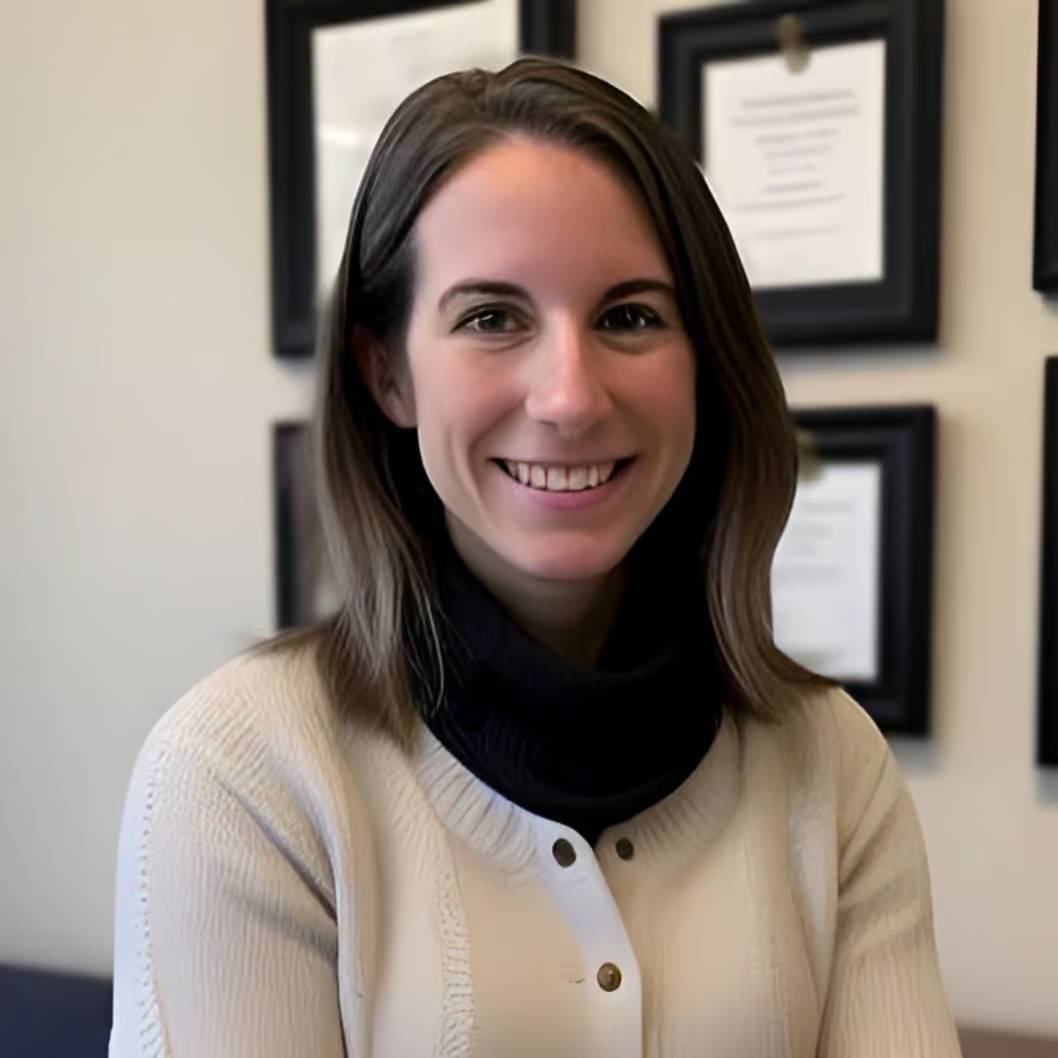
Written by: Carli Simmonds. Carli Simmonds holds a Master of Arts in Community Health Psychology from Northeastern University. From a young age, she witnessed the challenges her community faced with substance abuse, addiction, and mental health challenges, inspiring her dedication to the field.
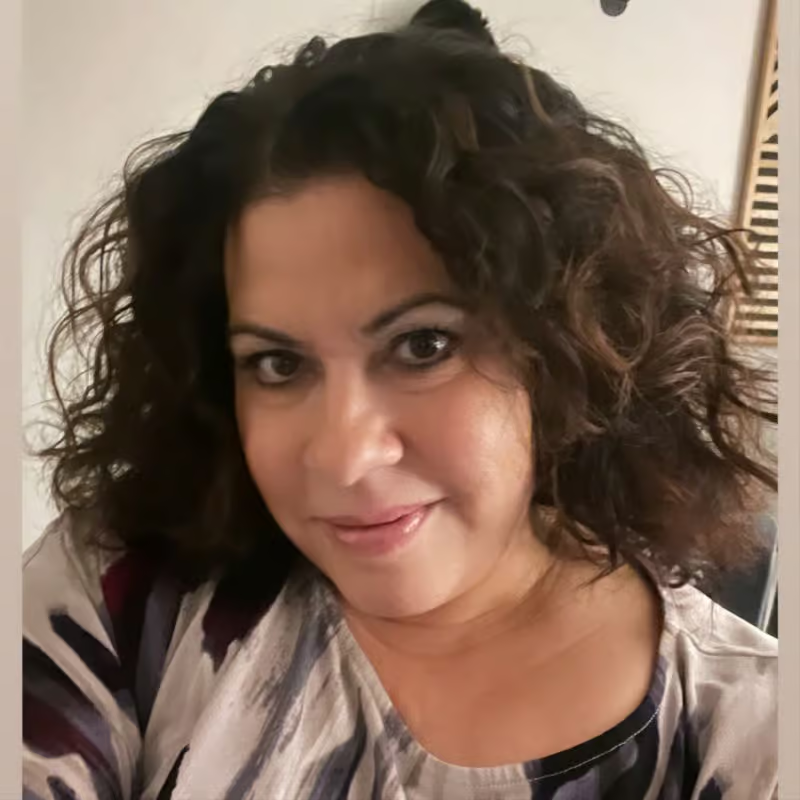
Medical reviewed by: Jodi Tarantino, LICSW. Jodi is an experienced, licensed Independent Clinical Social Worker (LICSW) and Program Director with over 20 years of experience in Behavioral Healthcare, demonstrating expertise in substance use disorders, mental health disorders, crisis intervention, training development, and program development. She is a skilled leader in business development with a Master of Social Work (MSW) in Community and Administrative Practice from the University of New Hampshire.
Red Ribbon Recovery is committed to delivering transparent, up-to-date, and medically accurate information. All content is carefully written and reviewed by experienced professionals to ensure clarity and reliability. During the editorial and medical review process, our team fact-checks information using reputable sources. Our goal is to create content that is informative, easy to understand and helpful to our visitors.

TREATMENT PROGRAMS
Check if your insurance will cover the cost of mental health treatment


