
Medication-Assisted Treatment (MAT) uses prescribed medications to help individuals in recovery from substance use disorders. MAT addresses both physical and psychological aspects of addiction by managing cravings, minimizing withdrawal symptoms, and supporting long-term sobriety.
Medications can be introduced during detox and continued throughout treatment to ensure the patient remains comfortable and less prone to relapse. This approach is particularly useful in the early stages of recovery and can also help prevent dangerous side effects like overdose.
What is Medication Assisted Treatment for Drug Addiction (MAT)?
Medication-Assisted Treatment (MAT) combines medication with therapy to treat substance use disorders, providing a balanced and effective form of medication assisted treatment for alcohol and opioid dependencies. This approach offers a balanced method that addresses both physical dependence and the psychological aspects of addiction. MAT works by using medications to help manage cravings and withdrawal symptoms while therapy focuses on changing behaviors and improving coping skills. MAT has shown to:
- Improve recovery rates and patient retention
- Reduce the likelihood of relapse
- Help people maintain employment
- Decrease criminal activity linked to drug use
This multi-faceted approach to medication assisted treatment for alcohol considers the whole person, providing support not only for substance dependence but also for related issues such as mental health, employment, and family dynamics.

You can overcome mental illness. Reach out to discover:
What are the components of medication assisted treatment?
Medication-Assisted Treatment (MAT) combines FDA-approved medications with behavioral therapies to treat substance use disorders effectively. This approach addresses both the physical symptoms of withdrawal and substance use while also tackling the psychological, emotional, and mental aspects of addiction. It provides a comprehensive treatment that supports patients throughout their recovery.
Before starting MAT, individuals undergo an evaluation by a physician to determine the best course of treatment, including the most appropriate medications. Many patients begin with medical detox to stabilize their bodies during the withdrawal process. Following detox, they transition to a rehabilitative phase that helps them develop healthier coping strategies for life’s challenges, often continuing with medication assisted treatment for drug addiction to ensure a stable and successful recovery.
As patients progress, MAT may continue with medical maintenance, focusing on the long-term management of substance use disorders through medication. In cases where medication assisted treatment for opioid use disorder is utilized, medications may eventually be reduced over time, though long-term treatment may be necessary.”. Whether focusing on opioid recovery or medication assisted treatment for alcohol, this comprehensive approach can be utilized to address both alcohol and opioid use disorders effectively.
Free Insurance Check
Our rehab center accepts most insurance plans.
Check if your insurance will cover the cost of treatment by filling out our confidential insurance form. We accept most insurance plans.

What medications are used in medication assisted treatment?
The medications used in medication assisted treatment vary depending on the substance being treated, and they are prescribed alongside counseling and therapy to support overall recovery. Below are the medications commonly used in medication assisted treatment for alcohol and opioid use disorders to support long-term sobriety.
Medications for alcohol use disorder (AUD)
- Acamprosate: Acamprosate is typically used after an individual has detoxed and has achieved a period of sobriety. This medication helps to prevent alcohol relapse by reducing the cravings for alcohol and supporting individuals in recovery. It is usually started after the 5th day of abstinence from alcohol, as it does not manage withdrawal symptoms but focuses on maintaining sobriety over the long term.
- Disulfiram: Disulfiram discourages drinking by causing unpleasant reactions when alcohol is consumed. It interferes with alcohol metabolism, leading to symptoms like nausea, vomiting, and headache if alcohol is ingested. This serves as a deterrent for individuals who are committed to abstaining from alcohol but may struggle with urges. It is effective when used consistently and in conjunction with a structured treatment program.
- Naltrexone: Naltrexone is used to block the pleasurable and reinforcing effects of alcohol, which reduces the desire to drink. It works by inhibiting the brain’s opioid receptors, which are involved in the rewarding effects of alcohol. Naltrexone can be administered in pill form or as an extended-release injection (Vivitrol) to help manage cravings and prevent relapse. It is effective for individuals who are already abstinent and want to maintain long-term recovery.
Medications for opioid use disorder (OUD)
- Buprenorphine: Buprenorphine is a partial opioid agonist that helps to manage opioid cravings and withdrawal symptoms without causing the euphoric high associated with opioid misuse. By binding to the brain’s opioid receptors, it reduces cravings and helps prevent withdrawal. Buprenorphine is often combined with naloxone (as Suboxone) to deter misuse. It is available in various forms, including sublingual tablets and films, and can be prescribed by qualified healthcare providers, allowing for more flexible outpatient treatment.
- Methadone: Methadone is a full opioid agonist that helps individuals reduce cravings and withdrawal symptoms. It works by providing a controlled dose of medication to stabilize the individual, reducing the need for illicit opioids. Methadone also diminishes the euphoric high that would result from other opioids. It is typically dispensed through specialized clinics under medical supervision and is highly effective in treating opioid addiction, especially for individuals who have a long history of opioid use.
- Naltrexone: As with alcohol use disorder, naltrexone can also be used for opioid use disorder. Naltrexone is an opioid antagonist that blocks the euphoric effects of opioids, helping to reduce cravings and prevent relapse. It is often prescribed after the individual has completed detoxification from opioids, as it may cause withdrawal if used too soon. Naltrexone is available as an oral tablet (Revia) or as a monthly injection (Vivitrol), which provides more sustained effects.
The medications used in MAT for both alcohol and opioid use disorders work in different ways to manage cravings, withdrawal symptoms, and the risk of relapse. By combining these medications with behavioral therapies, medication assisted treatment for drug addiction offers a comprehensive approach to recovery that addresses both the physical and psychological aspects of addiction.
Combined With Therapy
Medication-Assisted Treatment (MAT) is most effective when combined with behavioral therapies that address the psychological and emotional aspects of addiction. These therapies help individuals change harmful thought patterns, develop coping strategies, and build healthier habits to maintain long-term recovery. The most common therapies used in MAT include:
- Cognitive Behavioral Therapy (CBT): This type of therapy helps individuals recognize and change negative thought patterns and behaviors associated with substance use. CBT focuses on teaching practical skills to cope with stress, triggers, and cravings, reducing the likelihood of relapse.
- Contingency Management (CM): CM involves providing tangible rewards for positive behaviors, such as staying sober or attending therapy sessions. This approach helps reinforce abstinence and motivates individuals to stay on track with their treatment plan.
- Motivational Interviewing (MI): MI is a client-centered approach that encourages individuals to explore their own motivations for change. It helps resolve ambivalence about quitting substance use and strengthens the individual’s commitment to recovery.
- 12-Step Facilitation Therapy: This therapy supports individuals in engaging with 12-step programs like Alcoholics Anonymous (AA) or Narcotics Anonymous (NA). It emphasizes peer support, personal responsibility, and spiritual growth as part of the recovery process.
What are the benefits of MAT?
The integrated approach of medication assisted treatment provides multiple benefits, including reduced cravings and withdrawal symptoms, which are often the main barriers to recovery. Utilizing mat for drug addiction helps individuals stabilize their lives, making it easier for them to engage in treatment, build coping strategies, and improve their overall daily functioning. For those struggling with addiction, medication assisted treatment for opioid use disorder can significantly reduce the risk of relapse, lower the likelihood of overdose deaths, and help individuals regain control over their lives. Additionally, MAT supports long-term sobriety by improving social and occupational functioning, while also addressing co-occurring issues like mental health disorders.
WE ARE AVAILABLE 24/7
Request a call for answers and help.
If you or a loved one are struggling with substance use or mental health disorder, request a confidential call now. Our team is ready to guide you through understanding the admissions process, treatment options, costs and more. Taking this step is a sign of strength and the beginning of your path to a healthier future.
"*" indicates required fields
Is medication assisted treatment just substituting one drug for another?
Using medications in MAT does not substitute one drug for another. Instead, these medications are prescribed as part of a comprehensive plan for medication assisted treatment for drug addiction, designed to address the underlying issues of substance use disorders while promoting long-term stability.. Medications like buprenorphine, methadone, and naltrexone help individuals manage cravings, reduce withdrawal symptoms, and stabilize their condition, giving them a better chance to focus on recovery.
The goal of medication assisted treatment is not to create dependency on the medication, but to use it as a tool to help individuals gradually regain control of their lives. Over time, many people reduce their dependence on these medications under medical supervision, transitioning to a more sustainable recovery without reliance on substances. MAT is typically paired with behavioral therapy and counseling, which address the root causes of addiction, such as mental health issues, trauma, or environmental factors.
Are you or a loved one struggling with addiction to alcohol or other drugs? Call today for a confidential conversation with a treatment specialist.
How long does MAT last?
The length of time someone stays in MAT can vary depending on several factors, including the individual’s specific needs, the severity of their substance use disorder, and their progress in recovery. MAT is typically used as a long-term treatment option, but it is not a one-size-fits-all approach.
For opioid use disorder, some individuals may require MAT for a period of several months to a few years. In some cases, people may continue MAT for many years, especially if they are at high risk of relapse or are unable to maintain sobriety without the support of medications. The goal is to stabilize the individual and support their recovery over the long term, gradually reducing dependence on the medication when appropriate.
For alcohol use disorder, MAT may also be used for extended periods, though some people can transition off medications like naltrexone or acamprosate after a year or more if they are stable in their recovery.
Ultimately, the duration of medication assisted treatment is determined through regular assessments by a healthcare provider, ensuring the plan remains aligned with the individual’s recovery goals. The treatment plan may change as the person progresses, with medication doses being adjusted or reduced based on individual progress, but always under careful medical supervision. Ultimately, medication assisted treatment for drug addiction is intended to help individuals achieve lasting recovery and is tailored to each person’s needs, with the aim of eventually helping them live without the reliance on substances.
Get the addiction treatment you need here
Realizing you might have a problem with drugs or alcohol is never easy, and asking for help can feel even harder. If you or someone you care about is ready to take that step, our treatment centers can help. Call (888) 899-3880 or use our confidential contact form to reach a recovery specialist. They can help you decide if treatment is needed, explain your options, and work with you on insurance and next steps You can also call SAMHSA’s National Helpline at (888) 899-3880 for information on treatment resources in your area.
Treatment Center Reviews
Bridget LaRocco
I have been to this facility twice now, for Laser Hair removal and Botox. I saw Kim 2 times now for laser and she has been great, she made me feel really comfortable and…
Bridget LaRocco
I have been to this facility twice now, for Laser Hair removal and Botox. I saw Kim 2 times now for laser and she has been great, she made me feel really comfortable and…
Bridget LaRocco
I have been to this facility twice now, for Laser Hair removal and Botox. I saw Kim 2 times now for laser and she has been great, she made me feel really comfortable and…
About the content
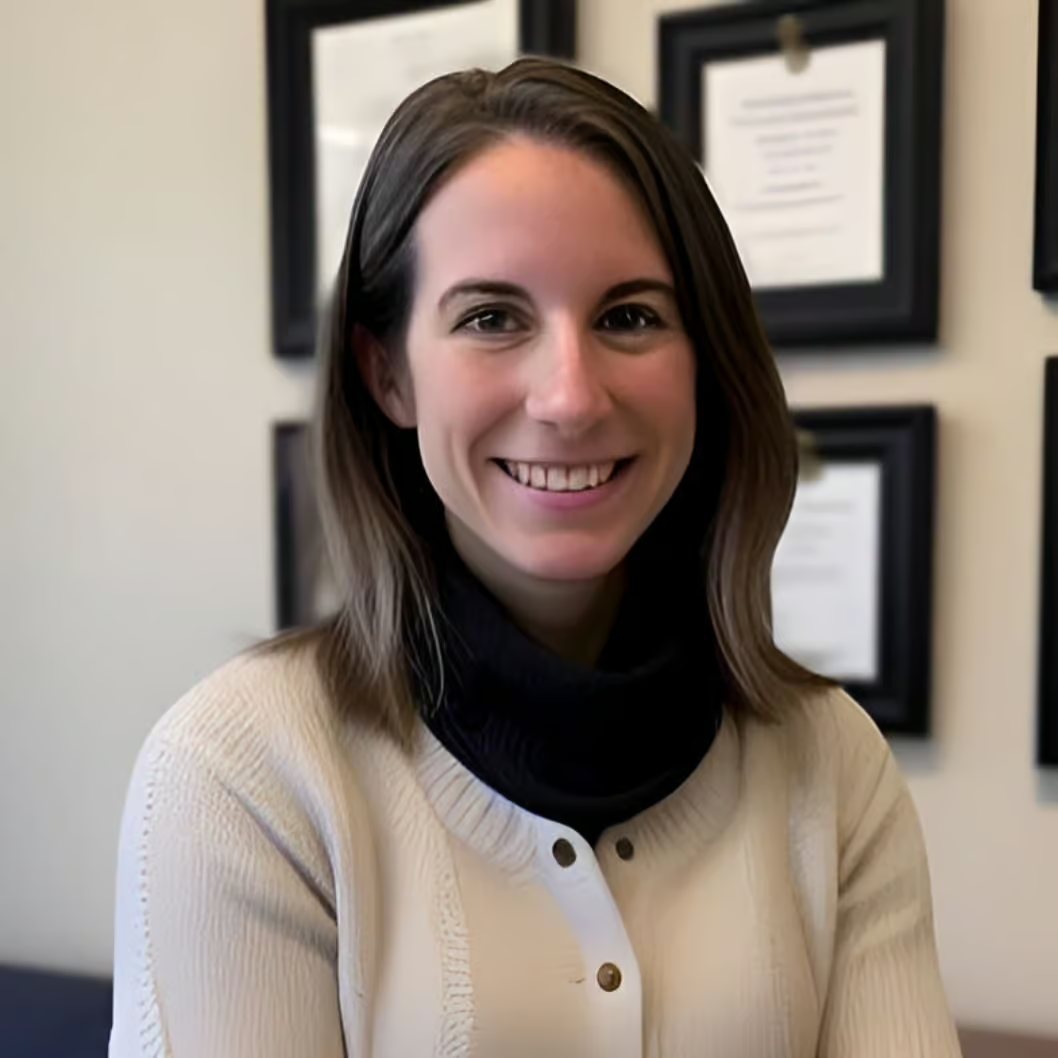
Written by: Carli Simmonds. Carli Simmonds holds a Master of Arts in Community Health Psychology from Northeastern University. From a young age, she witnessed the challenges her community faced with substance abuse, addiction, and mental health challenges, inspiring her dedication to the field.
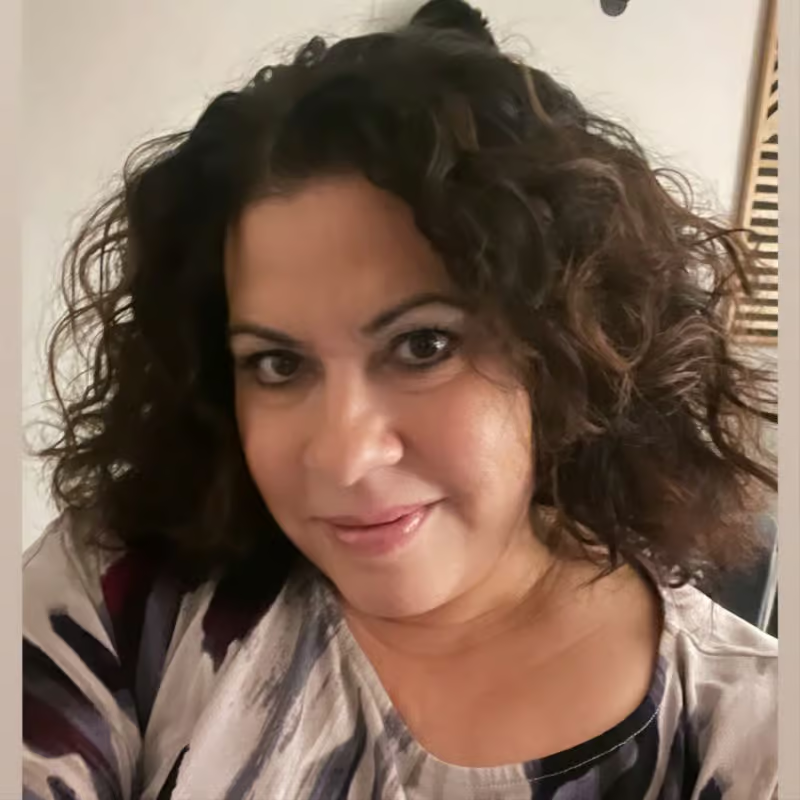
Medical reviewed by: Jodi Tarantino, LICSW. Jodi is an experienced, licensed Independent Clinical Social Worker (LICSW) and Program Director with over 20 years of experience in Behavioral Healthcare, demonstrating expertise in substance use disorders, mental health disorders, crisis intervention, training development, and program development. She is a skilled leader in business development with a Master of Social Work (MSW) in Community and Administrative Practice from the University of New Hampshire.
Red Ribbon Recovery is committed to delivering transparent, up-to-date, and medically accurate information. All content is carefully written and reviewed by experienced professionals to ensure clarity and reliability. During the editorial and medical review process, our team fact-checks information using reputable sources. Our goal is to create content that is informative, easy to understand and helpful to our visitors.

TREATMENT PROGRAMS
THERAPIES
Check if your insurance will cover the cost of mental health treatment


