
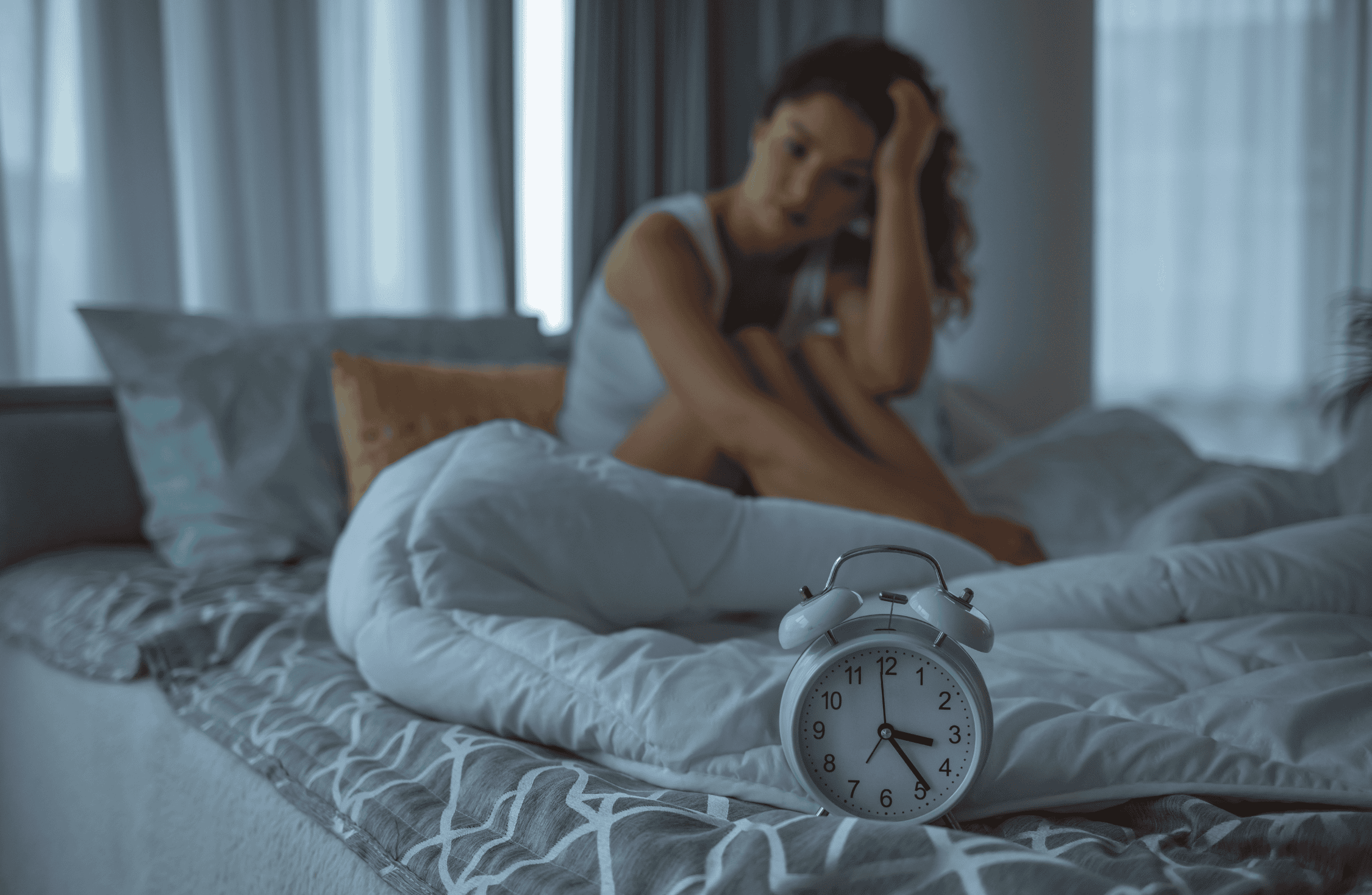
It is late, your body is tired, but your mind will not slow down. Nights like this can turn into a pattern, affecting your mood, focus, and overall well-being. If you have ever wondered what happens when you sleep high, you are not alone. Many people turn to cannabis for sleep when insomnia symptoms, chronic pain, or mental health challenges make it hard to fall asleep or stay asleep. The sedative effect and calming effects can feel like a good sleep aid, especially when you just want relief.
But what happens when you sleep high is more complex than simply falling asleep faster. Cannabis affects sleep by changing sleep stages, including REM sleep and deep sleep, which are essential for memory consolidation, emotional health, and truly restful sleep. Over time, this can impair sleep quality and contribute to ongoing sleep problems. At Red Ribbon Recovery, we help people understand how drug addiction and cannabis use connect to sleep issues, mental health, and long-term patterns, so they can move toward better sleep with approaches that actually support lasting rest.
Marijuana and sleep: what happens when you sleep high
When people talk about using cannabis for sleep, they are usually focused on one thing. Relief. Cannabis can create a calming effect that helps people fall asleep. THC, the primary psychoactive compound, interacts with the brain’s arousal system, slowing activity and making you feel sleepy. This sedative effect can feel especially helpful for people dealing with anxiety, chronic pain, or racing thoughts.
In the short term, cannabis may:
- Help you fall asleep faster
- Reduce mental tension
- Ease physical discomfort
- Create a sense of calm before bed
That is why so many cannabis users describe it as a good sleep aid. However, what happens when you sleep high goes beyond just falling asleep. It changes how your brain functions throughout the night. It reshapes your sleep architecture, which is the pattern your brain follows as it moves through different sleep stages.
How cannabis affects the brain when you sleep
To understand how cannabis affects sleep, you have to look at what happens in the brain when you sleep.
Your brain is not “off” during sleep. It is active in very specific ways. It cycles through different sleep stages that support physical recovery, emotional regulation, and memory consolidation. Cannabis interferes with that process.
THC binds to receptors in the brain that regulate mood, stress, and sleep-wake cycles. This interaction creates a calming effect, but it also overrides the brain’s natural signaling system. Instead of gradually moving into sleep, your brain is pushed into a sedated state.
At lower doses, THC can act as a sedative and help with sleep onset. At higher doses, it can become stimulating, increasing anxiety or restlessness instead of reducing it. That dose-dependent effect is part of why cannabis use can feel unpredictable, especially over time.
Cannabis affects sleep stages and sleep architecture
A healthy sleep cycle includes multiple stages:
- Light sleep
- Deep sleep or slow wave sleep
- REM sleep, also called rapid eye movement sleep
Each stage plays a role in your physical and mental recovery.
When you sleep high, cannabis affects sleep stages in noticeable ways:
Deep sleep may increase temporarily
Short-term cannabis use can increase deep sleep, also known as slow-wave sleep. This stage is critical for physical restoration. It helps with muscle repair, immune function, and overall recovery from the day.
This is one reason people sometimes wake up feeling physically relaxed after using cannabis for sleep.
But this effect does not last.
With continued cannabis use, the body builds tolerance. Over time, the increase in deep sleep fades, and sleep patterns become less stable.
REM sleep decreases and fewer dreams occur
THC tends to reduce REM sleep, the stage where dreaming occurs. REM sleep is essential for emotional processing and memory consolidation.
When REM sleep is reduced:
- You may have fewer dreams
- Your emotional processing may be disrupted
- Memory consolidation can be affected
Many people who sleep high regularly report fewer dreams. When they stop using cannabis, they often experience vivid dreams or nightmares. This is known as REM rebound, where the brain tries to make up for lost REM sleep.
Long-term sleep quality can decline
Even though cannabis may help people fall asleep faster, chronic use can impair sleep quality over time.
Research shows that heavy or frequent use can lead to:
- Fragmented sleep
- Reduced overall sleep quality
- Difficulty staying asleep
- Increased sleep disturbances
So while cannabis may feel like a shortcut to better sleep, it can quietly disrupt the very processes that create truly restful sleep.
Faster sleep onset vs. long-term sleep problems
There is a reason cannabis feels helpful at first. It creates a faster sleep onset. People fall asleep more quickly. For someone struggling with insomnia, that alone can feel like a breakthrough. But there is a trade-off. Over time, the body adapts. Tolerance builds. The same amount no longer produces the same calming effects. People may increase their dose, which can lead to:
- Grogginess the next day
- Excessive daytime sleepiness
- Impaired focus
- Reliance on cannabis as a nightly routine
The American Academy of Sleep Medicine does not recommend cannabis as a routine treatment for insomnia. The evidence simply does not support long-term effectiveness, and the risks of dependence and disrupted sleep patterns are real.
Short-term benefits of cannabis for sleep
It is important to acknowledge why people use cannabis for sleep in the first place. The benefits are real, especially in the short term.
Some of the most common reasons include:
- Reducing anxiety before bed
- Easing chronic pain
- Helping people fall asleep faster
- Creating a sense of calm after stressful days
- Supporting sleep in people with post-traumatic stress disorder
For people dealing with chronic conditions or intense mental health challenges, those calming effects can feel significant.
This is not about dismissing those experiences. It is about understanding the full picture.
Risks of using cannabis for sleep and long-term use
The long-term risks of using cannabis for sleep are often less visible at first.
With regular use, people may experience:
- Increased tolerance
- Dependence on cannabis to fall asleep
- Withdrawal symptoms when stopping
- Sleep problems returning or worsening
- Vivid dreams during withdrawal
- Worsening mental health issues, such as anxiety or depression
Heavy long-term use can also impact emotional health and cognitive function. When REM sleep is consistently reduced, the brain does not fully process emotions or store memories as it is designed to.
This can create a cycle where sleep quality declines, mental health symptoms increase, and cannabis use continues as a way to cope.
That cycle is more common than people think.
For some individuals, it can lead to marijuana addiction or broader substance use concerns. In those cases, exploring marijuana addiction treatment or comprehensive addiction treatment options may be an important next step.
Can cannabis improve sleep quality or make it worse
This is where things become nuanced.
Cannabis can help people fall asleep. But improving sleep quality is different.
True restful sleep depends on balanced sleep stages, stable sleep patterns, and the brain’s ability to move naturally through the night. When cannabis disrupts REM sleep and alters sleep architecture, the result may be:
- Feeling tired despite sleeping
- Waking up groggy
- Struggling with focus
- Experiencing mood changes
So while cannabis may feel like it is helping, it may also be quietly impairing sleep quality over time.
Healthier alternatives for better sleep and good sleep hygiene
If your goal is better sleep, the most effective approach is not sedation, but rather, it is regulation. That means helping your body relearn how to sleep naturally. Good sleep hygiene is one of the most powerful tools available. It does not work overnight, but it creates long-term change.
Key strategies include:
- Maintaining a consistent sleep schedule
- Limiting screen time before bed
- Creating a cool, dark sleeping environment
- Practicing relaxation techniques like progressive muscle relaxation
- Avoiding caffeine and heavy meals late in the day
Natural sleep aids such as mindfulness, breathing exercises, and structured routines can support the body’s natural sleep-wake cycles without disrupting sleep architecture.
For people with chronic insomnia, evidence-based approaches like cognitive behavioral therapy, dialectical behavior therapy, and acceptance and commitment therapy are highly effective. CBT for insomnia helps rewire the patterns that keep people awake, addressing both behavior and thought patterns around sleep .
Finding a sustainable path to restful sleep
If you are using cannabis for sleep, it does not mean you are doing something wrong. Many cannabis users turn to it to fall asleep faster, especially when dealing with insomnia symptoms, chronic pain, or mental health challenges. The calming effects and sedative effect can feel helpful in the moment, particularly when sleep problems or trouble sleeping become a nightly pattern.
But if cannabis use starts to look like needing it every night, struggling to fall asleep or stay asleep without it, worsening sleep quality, increased anxiety, or relying on higher doses, it may be time to reassess. Over time, cannabis affects sleep patterns and can impair sleep quality rather than improve it. At Red Ribbon Recovery, we approach these patterns with compassion, helping individuals move toward better sleep through healthier alternatives, good sleep hygiene, and support that addresses both sleep issues and underlying mental health needs.

Finding support versus a good sleep aid
Finding true rest shouldn’t require compromising your health or relying on a substance just to get through the night. While it is completely understandable to seek relief from exhaustion, the long-term biological cost of using cannabis for sleep often creates more complicated physical and emotional challenges. By addressing the root causes of your insomnia and implementing sustainable, evidence-based therapies, you can empower your body to reclaim its natural ability to heal and recharge.
If you or someone you love is struggling to break free from a dependency on sleep aids, compassionate professional help is available to guide you toward a balanced life. You can reach out to our team at (888) 899-3880 or visit Red Ribbon Recovery or contact us to learn more about your options.
FAQ
Some people use cannabis for sleep when dealing with conditions like restless leg syndrome or sleep apnea. While it may have short-term sleep-inducing effects, it does not address underlying conditions such as obstructive sleep apnea and may contribute to poor sleep over time.
Yes. Smoking marijuana can change normal sleep stages by increasing sedation while reducing REM sleep. Less REM sleep can affect memory, emotional processing, and overall sleep quality, even if you fall asleep more easily.
Using cannabis for sleep may feel like a natural alternative to prescription sleep aids, but both can affect how the brain regulates sleep-wake cycles. Long-term use of either can interfere with regulating sleep and lead to dependence or disrupted sleep patterns.
Indica strains are often marketed as promoting sleep because of their calming effects. While they may help people fall asleep faster, they can still lead to less REM sleep and may not support truly restorative sleep in the long run.
For better sleep and pain management, options such as other natural sleep aids, consistent routines, and behavioral strategies can help regulate sleep without the long-term mental health effects. These approaches help the body restore natural sleep-wake cycles more effectively than relying on substances.
Sources
- National Library of Medicine. (March 25, 2019). Aging circadian rhythms and cannabinoids. PubMed Central.
- National Library of Medicine. (September 6, 2020). Cannabis use and sleep: Expectations, outcomes, and the role of hypnotics. PubMed Central.
- Harvard Medical School. Cannabis and the brain. Harvard Medical School.
- Centers for Disease Control and Prevention. (February 15, 2024). Cannabis and brain health. Centers for Disease Control and Prevention.
- James Madison University. (May 12, 2022). The effects of cannabis on sleep, circadian rhythms, and cognition in adolescents. James Madison University.
- National Library of Medicine. (February 12, 2021). Effects of cannabinoids on sleep and their therapeutic potential for insomnia. PubMed Central.
- National Institute on Drug Abuse. (September 13, 2024). Long-term cannabis use linked to sleep and memory issues. National Institute on Drug Abuse.
- The University of Texas at Dallas. (October 18, 2024). Cannabis’s effects on memory might be related to sleep disruption. The University of Texas at Dallas.
- Centers for Disease Control and Prevention. (December 5, 2024). Understanding your risk for cannabis use disorder. Centers for Disease Control and Prevention.
- Substance Abuse and Mental Health Services Administration. (June 9, 2023). National helpline for mental health, drug, alcohol issues. Substance Abuse and Mental Health Services Administration.
- National Library of Medicine. Cognitive behavioral therapy for insomnia (CBT-I): A primer. PubMed Central.
- National Library of Medicine. (August 12, 2019). Cognitive-behavioral therapy for insomnia: An effective and underutilized treatment for insomnia. PubMed Central.
- National Library of Medicine. (January 4, 2023). Sleep and substance use: Practice considerations for social workers. PubMed Central.