
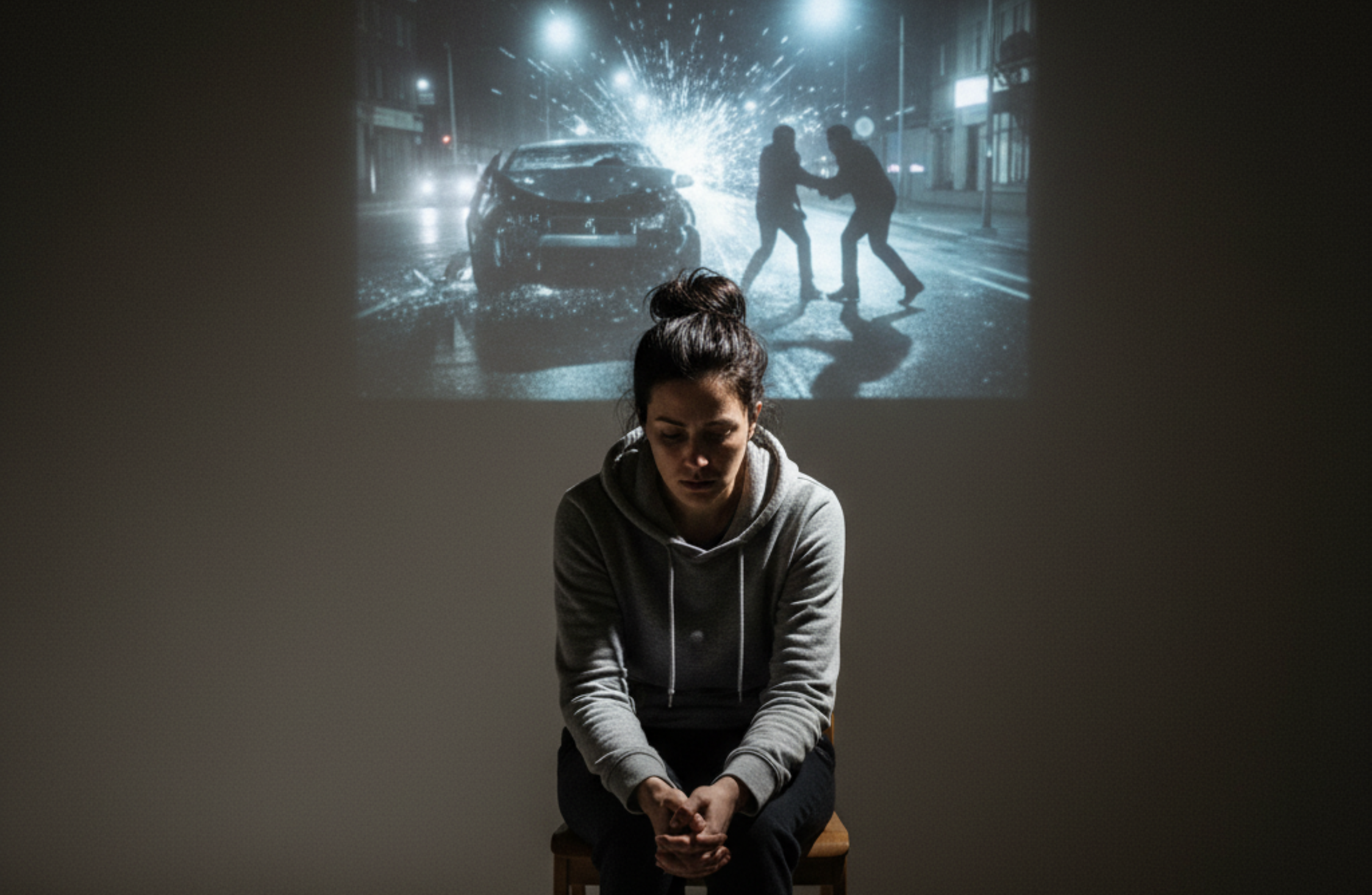
Post-traumatic stress disorder (PTSD) is a condition many people have heard of, but complex PTSD (CPTSD) is less widely understood. Complex PTSD develops after experiencing repeated or long-term trauma, often beginning in childhood or within unsafe relationships, and it brings its own unique challenges. While CPTSD shares many of the same symptoms as PTSD, it also involves deeper struggles such as a negative self-concept, difficulty regulating emotions, and strained relationships.
Because of these added layers, complex PTSD treatment requires a more specialized approach; one that not only addresses traumatic memories but also helps rebuild trust, improve emotional regulation, and heal patterns shaped by long-term trauma.
What is post traumatic stress disorder PTSD?
Post-traumatic stress disorder (PTSD) is a mental health condition that develops after a person has experienced or witnessed trauma. Trauma can include events such as combat exposure, childhood abuse, sexual assault, domestic violence, accidents, or medical emergencies. While many people experience stress after a traumatic event, PTSD occurs when the brain and body remain “stuck” in survival mode long after the danger has passed.
PTSD affects the way the brain processes stress, often keeping people on high alert with a heightened fight-or-flight response. This can make ordinary situations feel unsafe, leading to intrusive memories, nightmares, flashbacks, avoidance of triggers, mood changes, and physical symptoms like headaches, chest tightness, or chronic pain.
Types of PTSD and mental health impact
PTSD does not look the same for everyone. Mental health professionals recognize several different forms:
- Acute PTSD. Symptoms develop soon after a traumatic event and last less than three months.
- Chronic PTSD. Symptoms persist for three months or longer, often interfering with work, relationships, and daily life.
- Delayed-onset PTSD. Symptoms may not appear until months or even years after the traumatic experience.
- Complex PTSD (CPTSD). Caused by prolonged or repeated trauma over time, often during childhood or within unsafe environments. CPTSD includes the core PTSD symptoms plus additional struggles such as negative self-beliefs, emotional dysregulation, and relational difficulties.
By understanding the full spectrum of PTSD, it becomes easier to see why complex PTSD requires more specialized treatment.

What is complex PTSD?
Complex post-traumatic stress disorder (CPTSD) is a mental health condition that develops after prolonged exposure to trauma rather than a single traumatic event. While PTSD and CPTSD share overlapping features, complex trauma often occurs in unsafe environments over months or years, reshaping how a person thinks, feels, and relates to others.
According to the World Health Organization’s diagnostic criteria, complex PTSD is most often linked to repeated, early-life experiences such as childhood sexual abuse, physical abuse, verbal abuse, domestic violence, or human trafficking. These ongoing patterns of traumatic stress can deeply affect identity, relationships, and the ability to regulate emotions. Unlike acute trauma, which may result from one incident, complex trauma is tied to long-term harm and often requires specialized care to treat PTSD effectively.
Symptoms of complex PTSD patients
People living with complex PTSD experience the core PTSD symptoms, such as intrusive memories, flashbacks, avoidance of reminders, and hypervigilance, but they also face additional symptoms that make recovery more challenging.
These may include:
- Reliving traumatic memories or experiencing vivid flashbacks that feel real.
- Intense emotional reactions to triggers, sometimes resembling anxiety disorders or panic attacks.
- Persistent guilt or shame, especially feelings of self-blame tied to child abuse or sexual abuse histories.
- Difficulty experiencing positive emotions, leaving survivors feeling numb, empty, or disconnected.
- Affective dysregulation: trouble managing emotions, leading to sudden mood swings or anger outbursts.
- Negative self-concept, such as feeling worthless, unlovable, or permanently damaged.
- Challenges in relationships, often marked by mistrust, withdrawal, or a fear of closeness.
- Physical sensations related to trauma, like chronic pain, tightness, or body memories.
- Problems controlling behaviors, such as self-harm or turning to substances to cope.
Research and systematic reviews show that CPTSD is also more likely to co-occur with other mental health disorders, including borderline personality disorder, depression, and anxiety disorders, which can complicate the path to healing.
How complex trauma and PTSD differs from conventional PTSD
While conventional PTSD is often tied to a single event, such as an accident, combat exposure, or a natural disaster, complex PTSD results from ongoing, repeated trauma. The difference isn’t just in cause but in how symptoms present:
- PTSD focuses on re-experiencing, avoidance, negative mood, and hyperarousal.
- CPTSD includes these PTSD symptoms, plus additional symptoms like affective dysregulation, negative self-concept, and relational difficulties.
- PTSD diagnosis is typically made using the DSM-5 criteria, while CPTSD is more clearly defined in the World Health Organization’s International Classification of Diseases (ICD-11).
In practice, this means that while trauma-focused treatments like prolonged exposure therapy or EMDR may help reduce flashbacks and nightmares, people with CPTSD often need a broader, more holistic plan. Treatment must not only process traumatic memories but also focus on self-worth, guilt, trust, and rebuilding safe connections.
At Red Ribbon Recovery, we understand that complex trauma requires more than standard therapy. We advocate for, and provide information on, a compassionate, evidence-based approach that combines trauma-focused treatment, supportive medication management, and structured programs designed to help survivors reclaim their lives and relationships.
PTSD diagnosis and decoding CPTSD symptoms in clinical practice
A PTSD diagnosis is typically made using the Diagnostic and Statistical Manual (DSM-5) or tools like the International Trauma Questionnaire. These frameworks help clinicians identify whether someone is living with post-traumatic stress disorder after a traumatic event such as combat, an accident, or sexual assault.
For complex PTSD patients, however, diagnosis goes further. In addition to the core PTSD symptoms like flashbacks, avoidance, and hypervigilance, complex posttraumatic stress disorder (CPTSD) requires assessing negative self-concept, affective dysregulation, and relational difficulties. This reflects the reality of complex trauma histories, where repetitive trauma such as childhood sexual abuse, chronic trauma, or prolonged exposure to unsafe environments leaves a deeper imprint.
Clinical practice also shows that CPTSD rarely exists in isolation. Many people with complex trauma also live with co-occurring mental disorders such as borderline personality disorder, depression, or anxiety disorders, which can complicate recovery but are treatable with integrated care.

Evidence-based treatments for complex PTSD
Healing from complex posttraumatic stress disorder (CPTSD) requires an approach that is both trauma focused and tailored to each person’s unique needs. Research and systematic reviews show that no single method works for everyone; instead, recovery often comes from combining therapies, medication, and structured support.
At Red Ribbon Recovery, we believe a full continuum of care designed to treat both mental health conditions and co-occurring challenges like addiction are best for taking the next step in your recovery journey.
Individual therapy
Individual therapy programs provide sessions in a safe, confidential space where clients can explore trauma histories, emotions, and behaviors. Using a range of evidence-based modalities, including CBT, DBT, ACT, and psychodynamic therapy, therapists help clients build emotional regulation skills, process difficult experiences, and strengthen resilience.
Eye movement desensitization and reprocessing (EMDR)
A therapy that helps clients reprocess distressing memories so they no longer carry the same emotional weight.
Prolonged exposure therapy & narrative exposure therapy
Structured methods that allow survivors to revisit traumatic experiences in a safe way, reframing them and reducing fear responses.
Cognitive processing therapy (CPT)
A therapy that challenges distorted beliefs formed during trauma, such as self-blame or guilt.
These therapies have been shown to significantly reduce CPTSD symptoms and help clients build healthier coping strategies.
Medication support
For some, therapy alone is not enough. Selective serotonin reuptake inhibitors (SSRIs) and other medications may be prescribed to reduce severe anxiety, depression, and other PTSD symptoms. At Red Ribbon Recovery, we believe pairing medication with therapy provides a holistic approach.
Intensive treatment programs
For individuals with severe PTSD or complex trauma histories, an intensive treatment program may be the best option. These programs provide structured daily clinical psychology sessions, consistent therapeutic relationships, and, when needed, integrated substance abuse treatment. This approach is especially effective for those who have struggled to make progress in less structured settings.
Integrated Addiction and Trauma Care
Because many survivors of trauma turn to drugs or alcohol to cope, you should look for programs that also address substance use disorders alongside CPTSD. Treating both conditions together ensures lasting recovery and reduces the risk of relapse. By combining trauma-focused therapy with addiction support, clients receive holistic care for the whole person, not just isolated symptoms.
Treatment guidelines and clinical insights
Both the American Psychiatric Association and the World Health Organization emphasize that trauma-focused therapy is the gold standard for treating both PTSD and CPTSD. Current guidelines and clinical psychology reviews highlight key elements of effective treatment:
- Building safety first before diving into trauma work.
- Addressing distressing memories gradually, with professional support.
- Teaching coping skills to manage feelings related to trauma triggers.
- Helping clients integrate positive emotions and self-compassion into recovery.
At Red Ribbon Recovery, we believe treating complex trauma honors these principles while offering a compassionate, personalized path to healing. Don’t just focus on surviving trauma; rediscover safety, resilience, and the possibility of joy.

Seeking help for complex PTSD
Healing from complex trauma is not easy, but it is possible. If you or someone you love has lived through childhood abuse, sexual abuse, domestic violence, or other traumatic events and is now struggling with CPTSD symptoms, know that you don’t have to carry this weight alone. With the right support, it’s possible to regain a sense of safety, rebuild trust, and create healthier patterns for both your mind and your relationships.
At Red Ribbon Recovery, we believe in trauma-focused treatment that goes beyond surface-level symptom relief. You’ve already survived the hardest parts of your story. Now, let us help you write the next chapter, one rooted in resilience, connection, and healing. Contact us today to take the first step toward lasting recovery.
Sources
- U.S. Department of Veterans Affairs. (n.d.). Complex PTSD. U.S. Department of Veterans Affairs, National Center for PTSD. Retrieved from https://www.ptsd.va.gov/professional/treat/essentials/complex_ptsd.asp
- Mayo Clinic Staff. (n.d.). Post-traumatic stress disorder (PTSD). Mayo Clinic. Retrieved from https://www.mayoclinic.org/diseases-conditions/post-traumatic-stress-disorder/symptoms-causes/syc-20355967
- Ford, J. D., & Courtois, C. A. (2014). Complex PTSD, affect dysregulation, and borderline personality disorder. Borderline Personality Disorder and Emotion Dysregulation, 1, Article 9. https://doi.org/10.1186/2051-6673-1-9
- Stein, D. J., McLaughlin, K. A., Koenen, K. C., Atwoli, L., Friedman, M. J., Hill, E. D., Maercker, A., Petukhova, M., Shahly, V., van Ommeren, M., Alonso, J., Borges, G., de Girolamo, G., de Jonge, P., Demyttenaere, K., Florescu, S., Karam, E. G., Kawakami, N., Matschinger, H., Okoliyski, M., Posada-Villa, J., Scott, K. M., Viana, M. C., & Kessler, R. C. (2014). DSM-5 and ICD-11 definitions of posttraumatic stress disorder: Investigating “narrow” and “broad” approaches. Depression and Anxiety, 31(6), 494–505. https://doi.org/10.1002/da.22279
- Pappas, S. (2025, July 1). PTSD and trauma: New APA guidelines highlight evidence-based treatments. Monitor on Psychology, 56(5). https://www.apa.org/monitor/2025/07-08/guidelines-treating-ptsd-trauma