
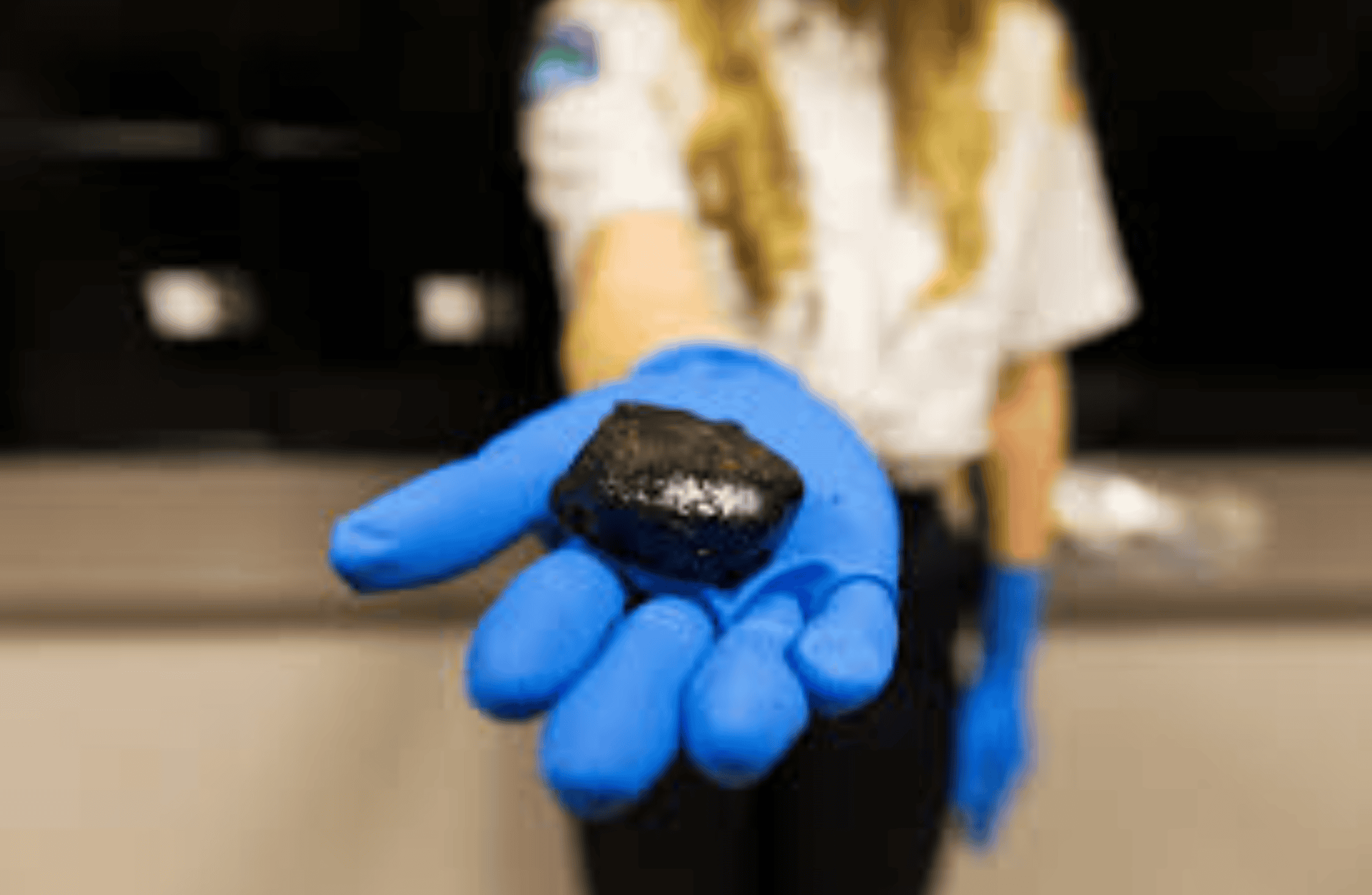
Black tar heroin is a dangerous and addictive form of heroin in the United States. This potent black drug is different from the usual white or brown powder. It looks like a dark, sticky substance, similar to tar. People who use it may inject, smoke, or snort it, facing serious health risks like overdose, infections, and organ damage.
At Red Ribbon Recovery, we believe education is key to prevention. If you or someone you love is battling heroin addiction, knowing the facts about black tar can be the first step toward recovery and healing.
What is black tar heroin?
Black tar heroin is a form of heroin with a dark brown or black, sticky consistency, similar to roofing tar or hard coal. Unlike powdered heroin—which can be white or brown powder with high purity heroin content—black tar is less refined and often contains impurities.
It is mainly produced in Mexican states and distributed across the southwestern United States, especially in states like California, Arizona, and Texas. The Drug Enforcement Administration (DEA) states that its prevalence is due to its low cost, easy transport, and high addiction potential.
How is black tar heroin used?
Users may inject, smoke, or snort black tar. While injection is the most common method, all forms have serious health risks. The drug produces an intense “rush” within minutes, followed by drowsiness and warmth that can last for hours.
Black tar heroin can also be mixed with other drugs like cocaine (a practice called “speedballing”), which dramatically increases the risk of overdose and death. The actual strength of each dose is unpredictable, making it nearly impossible for users to measure a safe amount.
Health risks, risk factors, and dangers
Using black tar heroin comes with a long list of risk factors, including:
- Heroin overdose, which can cause breathing difficulties, vomiting, or death
- Increased risk of infectious diseases such as hepatitis or HIV, especially through shared needles
- Skin infections and blood-borne disease from contaminants or poor injection practices
- Chronic issues in the skin, muscles, and veins
- High likelihood of addiction and physical dependence from repeated use
The National Institute on Drug Abuse (NIDA) reports that black tar heroin is a significant contributor to the rising number of opiate-related deaths in the U.S. due to its unpredictable potency and the presence of dangerous contaminants.
How black tar heroin affects the body and brain
To understand what black tar heroin is, we must look at how it impacts the body and mind. Whether it’s smoked, snorted, or injected, this highly addictive opioid acts fast on the nervous system. It binds to brain receptors that manage pain, reward, and mood. Like other opioids and drugs in its class, black tar hijacks the brain’s natural dopamine and endorphin signaling, creating an intense euphoria followed by drowsiness.
For a heroin user, repeated use alters brain chemistry, making it difficult to feel pleasure without the drug. This leads to heroin addiction, a chronic illness defined by compulsive drug-seeking behavior despite negative consequences. The physical damage is also severe. Black tar heroin can harm vital organs, weaken the immune system, and contribute to respiratory depression. The drug’s unpredictable potency increases the likelihood of a heroin overdose, especially when mixed with other drugs like fentanyl.
Long-term use damages both physical and mental health. It can cause withdrawal symptoms like muscle pain, insomnia, nausea, and severe cravings when the drug is stopped. Because black tar is often injected, chronic users also face collapsed veins, infections, and life-threatening diseases transmitted through shared needles. Treating the damage caused by heroin requires comprehensive treatment, starting with medically supervised detox and followed by therapy and whole-person care.
Where does black tar heroin come from?
Black tar heroin is primarily produced in parts of Mexico and smuggled into the United States through organized networks. It differs from the high-purity heroin that comes from Southwest Asia, Southeast Asia, and Colombia. The Drug Enforcement Administration has noted the presence of black tar heroin in cities like Atlanta, particularly where other forms of heroin are less available.
While its distribution is less widespread than powdered forms, its low cost per gram or kilogram has made it appealing to those struggling with drug abuse or seeking cheaper highs.
Prevention, awareness, and addiction treatment
Recognizing the signs of black tar heroin use is key to prevention and early intervention. If you think a loved one is using, look for these signs:
- Track marks or bruising on the skin
- Drowsiness, confusion, or slowed breathing
- Missing items from the family’s medicine cabinet
- Evidence of drug paraphernalia or powdery residues
- Withdrawal symptoms like irritability, sweating, and nausea
Recovery from black tar heroin addiction often requires medical detox, therapeutic support, and long-term care.
At Red Ribbon Recovery, our team provides a comprehensive range of services, including:
- Medically supervised detox
- Individual and group therapy
- Treatment for co-occurring mental health conditions
- Education on risk factors, disease prevention, and health
- Holistic care for total well-being and long-term sobriety
If you are looking to protect your recovery journey, we at Red Ribbon Recovery understand the risks and dangers and are prepared to serve you.
Black tar heroin and co-occurring mental health disorders
Many heroin users face more than just the physical dangers of drug use—they also struggle with underlying mental health challenges such as depression, anxiety, PTSD, or trauma. The National Institute on Drug Abuse reports that a significant percentage of individuals with heroin addiction also live with a diagnosable mental health condition. These co-occurring disorders can make recovery more complex, particularly with a drug as highly addictive as black tar heroin.
On average, users with both substance use and mental health disorders need specialized treatment that addresses both conditions simultaneously. When mental health symptoms are left untreated, they can drive continued drug use. Likewise, ongoing heroin use can worsen anxiety or depression. This is why Red Ribbon Recovery offers integrated dual diagnosis treatment, combining addiction care with mental health therapies to promote long-term stability.
Our approach recognizes that recovery is about more than removing harmful substances. It is about helping clients build emotional resilience, learn new coping skills, and address addiction’s root causes. Through counseling, psychiatric care, and holistic practices, we provide a pathway to healing that supports every aspect of our clients’ lives.
Signs of black tar heroin overdose and what to do
For heroin users, an overdose can happen suddenly, especially with black tar heroin. This drug is highly addictive and often mixed with other substances like fentanyl or cocaine. Because black tar can be injected, smoked, or snorted, its effects on the skin, lungs, and health vary, but the risk of overdose is always present.
Common signs of a black tar heroin overdose include:
- Pinpoint pupils
- Extremely slow or stopped breathing
- Blue or gray lips, fingertips, or skin
- Unconsciousness or the inability to wake the person
- Gurgling or choking sounds
- Limp body or severe muscle weakness
If you suspect an overdose, you must act immediately:
- Call 911 and provide as much detail as possible.
- Administer naloxone (Narcan) if available, as it can temporarily reverse opioid overdose symptoms.
- Keep the person breathing by performing rescue breathing or CPR if needed.
- Place them in the recovery position to prevent choking if they vomit.
Early prevention efforts, education on drug abuse risks, and access to evidence-based treatment can save lives. An overdose is a medical emergency, and every minute counts—especially when dealing with a substance as potent and unpredictable as black tar heroin.
You are not alone
Heroin addiction is a devastating but treatable condition. Whether you struggle with black tar, brown powder, or any form of heroin, recovery is achievable with professional support and community connection.
Let Red Ribbon Recovery be part of your healing journey. Together, we can break the cycle of addiction and build a healthier, drug-free future. Contact us today to start your recovery journey.
Sources
- Drug Enforcement Administration. 2025 National Drug Threat Assessment. U.S. Department of Justice, May 2025.
- National Academies of Sciences, Engineering, and Medicine. Treatment for Stimulant Use Disorders. National Library of Medicine (US), 2021.
- National Academies of Sciences, Engineering, and Medicine. Drug Misuse and Its Effects on the Developing Brain. National Library of Medicine (US), 2022.
- Bowen, et al. “Adventure Therapy Meta-Analysis: Effect Size in Short-Term Outcomes.” The Open Psychology Journal, vol. 6, 2013, pp. 28–41.