
If you’re asking, ‘how long does molly last?’ you’re likely looking for clear, honest answers, and you’ve come to the right place. Maybe you’re worried about yourself or someone you care about, and the uncertainty can be frightening. It’s a question that goes deeper than just a number of hours, it’s about understanding the entire experience, from the initial effects to the comedown and the lingering impact on your body and mind. We get it. Taking that first step to learn more is a sign of strength, and we’re here to walk you through it with clear, compassionate information, free of judgment.
What is molly?
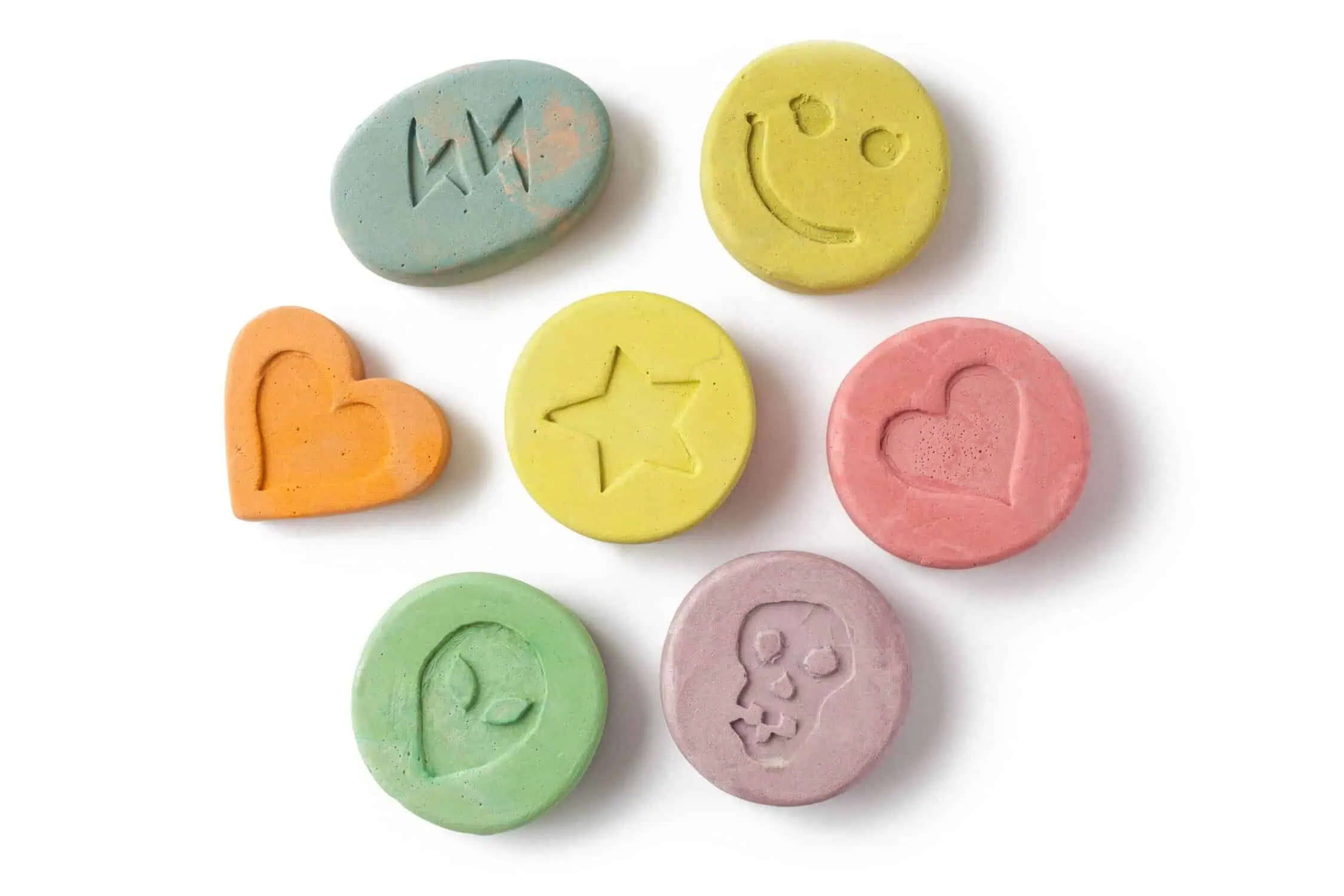
Molly is a common slang term for MDMA (3,4-methylenedioxymethamphetamine), a synthetic drug that acts as both a stimulant and a hallucinogen. It creates feelings of euphoria, increased energy, and emotional warmth. While people often use the terms “Molly” and “Ecstasy” interchangeably, they can refer to different forms of the drug. Ecstasy usually comes in a pressed pill form, while Molly is often sold as a powder or crystal, which some believe is purer.
However, both forms of this drug are frequently mixed with other dangerous substances. According to the National Institute on Drug Abuse, what’s sold as Molly can be contaminated with anything from methamphetamine and ketamine to synthetic cathinones (“bath salts”). This lack of purity makes using these substances incredibly risky, as you never truly know what you’re taking. Understanding the science of addiction can help clarify how these substances affect the brain.
How long does molly last?
The psychoactive effects of Molly follow a relatively predictable timeline, though the experience can vary from person to person. Generally, the journey is broken down into three main phases:
- Onset. You’ll typically start to feel the effects within 30 to 45 minutes of taking a dose.
- Peak. The main effects, including feelings of euphoria, empathy, and heightened senses, usually last for about three to six hours.
- Comedown. After the peak wears off, a “crash” often follows. Coming down from Molly can feel draining, both emotionally and physically. Many people experience feelings of depression, anxiety, irritability, and fatigue that can linger for several days. This happens because MDMA depletes the brain’s supply of serotonin, a chemical that regulates mood.
This timeline gives a general idea, but the duration of effects can change based on several factors. The addiction recovery timeline shows that healing from substance use is a gradual process that extends far beyond the initial effects of a drug.
MDMA half-life
To understand how long Molly stays in your system, it’s helpful to know about its half-life. A drug’s half-life is the time it takes for your body to eliminate half of the initial dose from your bloodstream. MDMA has a half-life of about eight hours. This means that eight hours after you take it, 50% of the drug is gone. After another eight hours, half of the remaining amount is eliminated, and so on. It generally takes about five half-lives for 95% of a substance to be cleared from the body, which for MDMA is roughly 40 hours.
Factors that affect how long ecstasy stays in your body
The timeline isn’t the same for everyone. Several factors can influence how long the effects of ecstasy last and how long it remains in your body:
- Dosage and Purity. A higher dose or a purer form of MDMA will naturally take longer for your body to process. Since street drugs are rarely pure, unknown additives can also alter the duration.
- Metabolism. Everyone’s body processes substances at a different rate. A faster metabolism can clear the drug from your system more quickly.
- Body Weight and Composition. Your size and body mass can influence how a drug is distributed and concentrated in your system.
- Polysubstance Use. Mixing MDMA with other substances, especially alcohol, can create unpredictable effects and make it harder for your body to process everything, potentially extending the drug’s presence.
How long does ecstasy stay in your system?
It’s important to remember that even after the noticeable effects have faded, MDMA and its byproducts can still be detected in your system. The detection window varies depending on the type of drug test used. As explained by the University of Rochester Medical Center, different tests have different levels of sensitivity. Here are some typical detection times:
- Urine. MDMA is typically detectable in urine for 1 to 3 days after use.
- Blood. Blood tests can usually detect the drug for 1 to 2 days.
- Saliva. Saliva tests also have a detection window of about 1 to 2 days.
- Hair. Hair follicle tests have the longest detection window and can show MDMA use for up to 90 days.
Keep in mind that these are just estimates. Factors like how much you used, how often you use it, and your individual metabolism can all affect how long ecstasy remains detectable in your body.
What are the dangers of MDMA abuse?
While often seen as a “party drug,” MDMA abuse comes with serious risks. In the short term, it can cause dangerous side effects like dehydration, a sharp increase in body temperature (hyperthermia), and elevated heart rate and blood pressure. These effects can lead to severe medical emergencies, including heatstroke or heart failure.
An overdose is possible, particularly when high doses are taken or when the drug is laced with other potent substances like fentanyl. Long-term, chronic use can damage the brain’s serotonin-producing neurons, which may lead to lasting memory problems, anxiety, and depression. The connection between substance use and mental health is strong, and for many, depression and addiction can become intertwined, making recovery more complex.
What are the signs of molly abuse?
It can be hard to recognize when use crosses the line into abuse or addiction. If you’re worried about yourself or someone else, here are some signs to look for:
- Tolerance. Needing to take more of the drug to feel the same effects you once did.
- Withdrawal Symptoms. Experiencing negative physical and emotional symptoms like fatigue, depression, or trouble concentrating when you stop using.
- Neglecting Responsibilities. Struggling to keep up with work, school, or family obligations because of drug use.
- Time and Energy. Spending a significant amount of time thinking about, obtaining, and using Molly.
- Social Changes. Withdrawing from friends and family or changing your social circle to spend more time with others who use.
What is molly abuse treatment like?
If you recognize some of the signs of Molly abuse in yourself or a loved one, please know that help is available and recovery is possible. The first step is often the hardest, but reaching out is a sign of incredible courage. Treatment for MDMA abuse focuses on helping you understand the root causes of your substance use and develop healthier coping strategies.
Evidence-based therapies like cognitive behavioral therapy (CBT) are effective in addressing the thought patterns that drive addiction. Outpatient programs, including intensive outpatient (IOP) and partial hospitalization (PHP) options, offer structured support while allowing you to maintain your daily responsibilities. For those struggling with co-occurring conditions, dual diagnosis treatment is essential for addressing issues like anxiety or depression alongside substance abuse. No matter where you are, help is accessible.
Frequently asked questions
Yes, you can overdose on Molly (MDMA). An overdose often happens when the body’s temperature rises to dangerous levels, a condition called hyperthermia. This can lead to serious health emergencies like heatstroke, seizures, or organ failure, especially in crowded, hot environments.
The risk is even higher because street drugs sold as Molly or ecstasy are often impure. They can be mixed with other powerful substances like fentanyl or methamphetamine, creating unpredictable and life-threatening effects.
Coming down from Molly, often called a “crash,” can be a very difficult experience. After the initial euphoric effects fade, many people report feeling emotionally and physically exhausted. This happens because MDMA depletes the brain’s supply of serotonin, a chemical that helps regulate your mood.
Common symptoms can include strong feelings of depression, anxiety, irritability, and fatigue. These effects can last for several hours or even linger for a few days, making it hard to cope without support.
People are often drawn to Molly for the intense feelings of euphoria, empathy, and emotional connection it can produce. As a drug that acts as both a stimulant and a mild hallucinogen, MDMA can heighten sensory perception and create a powerful sense of well-being and closeness to others.
Because of these effects, it is often used in social settings like parties or music festivals. Some individuals may use it to feel more open and less anxious, or simply to enhance their experience of their surroundings.
While MDMA withdrawal isn’t typically life-threatening in the same way withdrawal from alcohol or opioids can be, it comes with significant challenges. The symptoms are mainly psychological and can be incredibly distressing for people going through them.
Individuals often experience severe depression, anxiety, intense cravings, and trouble sleeping. These withdrawal symptoms can make it very hard to function in daily life and may increase the risk of relapse. Professional treatment can provide the support needed to manage this phase safely.
Yes, MDMA can be addictive. While it might not cause the same kind of physical dependence as some other drugs, it’s possible to develop a strong psychological addiction. Over time, a person may build a tolerance, meaning they need to take higher or more frequent doses to feel the desired effects.
Continuing to use the drug despite negative consequences in your life, health, or relationships is a key sign of addiction. Professional treatment can help address the underlying reasons for abuse.
No, MDMA and LSD are two different drugs with very different effects. MDMA is primarily a stimulant and an empathogen, meaning it creates feelings of energy, euphoria, and emotional warmth. It makes people feel connected to others.
LSD, on the other hand, is a classic hallucinogen. Its main effects involve causing significant changes in perception, thought, and mood, often leading to intense visual and auditory hallucinations. Both are powerful substances, and mixing them is extremely risky.
How does molly last? Understanding the detection windows for MDMA
While the euphoric effects of Molly are short-lived, the impact it can have on your physical and mental health can last much longer. Understanding the full picture, from the initial high to the comedown and the long-term risks, is a powerful step toward making choices that honor your well-being. You don’t have to navigate this alone. Hope and healing are within reach, and compassionate, professional support is here to guide you.
After learning how long molly lasts, if you’re ready to take the first step, we’re here to help. Call us at (888) 899-3880 for a confidential conversation about your options. At Red Ribbon Recovery, our team is dedicated to providing the support you need to build a healthier future. You can also contact us today. Reaching out is the beginning of your recovery journey.
Sources
- National Institute on Drug Abuse. (April 19, 2024). MDMA (Ecstasy/Molly). National Institute on Drug Abuse.
- U.S. Drug Enforcement Administration. (April 1, 2021). Ecstasy Or MDMA (also Known As Molly). U.S. Drug Enforcement Administration.
- Boston University. (September 11, 2013). The Trouble with Molly. Boston University.
- National Center for Biotechnology Information. (June 30, 2014). 3,4-Methylenedioxymethamphetamine | C11H15NO2 | CID 1615. PubChem.
- U.S. Department of Veterans Affairs. (May 20, 2022). Stimulant Use Disorder: Addiction Treatment for Veterans. U.S. Department of Veterans Affairs.
- University of Rochester Medical Center. (January 1, 2025). MDMA Drug Screen (Urine). University of Rochester Medical Center.
- Indiana Department of Child Services. (n.d.). DRUG DETECTION TIMES. Indiana Department of Child Services.
- Virginia Department of Energy. (n.d.). Drug Detection Windows. Virginia Department of Energy.
- National Center for Biotechnology Information. (January 1, 1996). Urinary MDMA, MDA, HMMA, and HMA Excretion Following …. Therapeutic Drug Monitoring.
- Substance Abuse and Mental Health Services Administration. (n.d.). Treatment of Stimulant Use Disorders. Substance Abuse and Mental Health Services Administration.
- U.S. Food and Drug Administration. (October 4, 2023). FDA Takes Steps to Advance the Development of Novel Therapies …. U.S. Food and Drug Administration.
- Johns Hopkins Bloomberg School of Public Health. (March 22, 2023). Contingency Management for Treatment of Stimulant Use Disorder …. Johns Hopkins Bloomberg School of Public Health.
- National Center for Biotechnology Information. (n.d.). Chapter 5—Specialized Substance Abuse Treatment Programs. National Center for Biotechnology Information.
- Substance Abuse and Mental Health Services Administration. (n.d.). SAMHSA TIP 35 Enhancing Motivation for Change in Substance …. Substance Abuse and Mental Health Services Administration.
- Centers for Disease Control and Prevention. (June 9, 2025). Public Health Considerations for Strategies and Partnerships. Centers for Disease Control and Prevention.
- National Association of Addiction Treatment Providers. (n.d.). Addiction Treatment Methods | Evidence-Based Practices. National Association of Addiction Treatment Providers.
- Partnership to End Addiction. (October 16, 2025). Advocate for Change. Partnership to End Addiction.
- National Center for Biotechnology Information. (October 1, 2004). The duration and correlates of addiction and treatment careers. Journal of Substance Abuse Treatment.
- Centers for Disease Control and Prevention. (April 30, 2024). Prevalence and correlates of ever having a substance use problem …. Centers for Disease Control and Prevention.