

By exploring therapeutic approaches and strategies, you can regain control over your digital life and find a healthier balance.
Are you addicted to social media?
In the era of social media, it’s no surprise that the use of popular platforms like Facebook and Instagram continues to soar. With billions of accounts and millions of daily visitors, these sites have evolved into a massive industry all their own.
But this unprecedented tool, despite its many benefits, can also cause significant harm. Social media offers numerous advantages, such as connecting with friends and family, networking opportunities, and access to a wealth of information and entertainment. However, the downside is the very real potential for social media addiction.
Social media addiction can lead to issues like decreased productivity, anxiety, depression, and disrupted sleep patterns. While social media can enhance our lives in many ways, it’s important to be aware of and manage its potential risks.
What is social media addiction?
By definition, social media addiction refers to a deep emotional, psychological, and perhaps even physical need to use social media. According to data, 5-10 percent of adults have a full-blown behavioral addiction to social media.
In terms of specific characteristics, social media addiction can manifest in the following ways:
- The compulsion to log into accounts to check notifications, messages, and updates
- Anxiety, depression, or irritability after going without social media
- Constantly seeking the rush of positive emotions from a comment, like, or share
- Spending more and more time online
It’s easy to understand that these symptoms echo those associated with drug addiction. Social media creates an addictive feedback loop in the brain in much the same way alcohol and drugs do.

Social media platforms and their addictive traits
Several social media apps are commonly associated with social media addiction due to their highly engaging content and design features that encourage prolonged use. These platforms include:
- Facebook: Known for its wide range of content, from news and videos to personal updates and events, Facebook’s constant notifications and the need to stay connected can lead to addictive behaviors.
- Instagram: With its focus on visual content, Instagram’s endless scroll feature, stories, and live videos can create a compelling need to keep up with the latest posts and trends.
- X (Twitter): The real-time nature of X (formerly known as Twitter), with its continuous updates and trending topics, can draw users in for long periods, often leading to addictive checking and tweeting habits.
- TikTok: TikTok’s short-form video content is designed to capture attention quickly, with its algorithm often keeping users engaged for extended periods through personalized and highly engaging content.
- Snapchat: Features like Snapstreaks, where users send daily snaps to maintain a streak, can encourage frequent use and create a sense of obligation to stay active on the platform.
- YouTube: While primarily a video-sharing platform, YouTube’s recommendation algorithm and autoplay feature can lead users to spend hours watching videos without realizing it.
- Reddit: With its vast array of communities and continuous stream of new posts and discussions, Reddit can be highly addictive for users who enjoy deep dives into specific topics.
- Pinterest: The endless scrolling and discovery of new ideas and inspirations on Pinterest can easily lead to prolonged usage sessions, contributing to addictive behavior.
Each of these platforms has unique features that can contribute to social media addiction, making it important for users to monitor and manage their usage to maintain a healthy balance.
Is social media As addictive as drugs?
With ad-driven business models, social networking sites want users to spend as much time as possible on their websites and using their apps. These tactics include notifications to pull attention away from other activities, serving ads, and other promotional content based on each user’s analytic profile to make them more receptive to a brand’s message.
Similar tactics are employed in the gambling industry with slot machine manufacturers exploiting psychological mechanisms to keep people at the slots. This ensures that no matter how many times compulsive gamblers lose, they keep coming back.
How is social media addictive?
Social media platforms are designed to engage the brain’s reward system, which makes it more addictive. Every algorithm for ads or for populating a user’s feed is informed by past interactions on the platform. This means brands can create higher-performing advertisements based on specific user interests.
Humans love to talk about themselves and social media usage potentially offers a bottomless source of validation. Users with large audiences on a social media platform like Facebook and Instagram have bigger audiences than there are residents living in some countries.
Few actually see such massive reach, but the desire for that impact permeates. Users want to feel heard, understood, and important. That validation can actually trigger a physical and chemical response in the brain, much like alcohol and drugs.

How social media addiction affects the brain
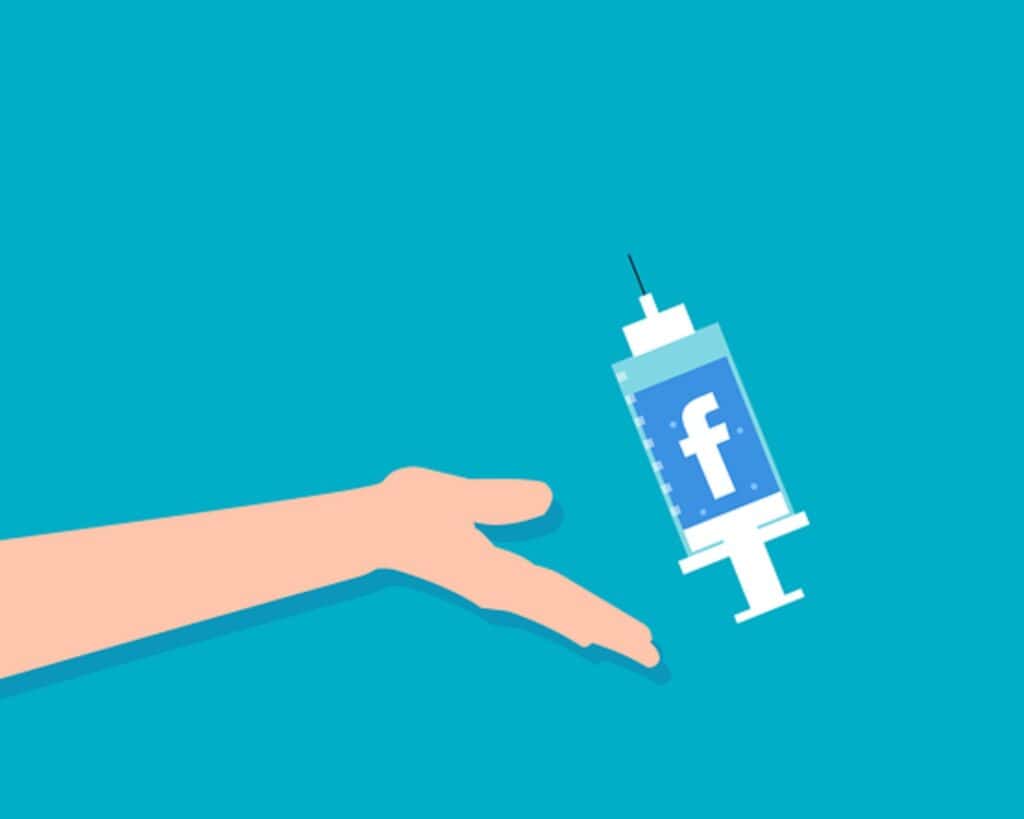
Like substance abuse, the use of social media can trigger what feels like a syringe of dopamine that’s being injected directly into the brain’s limbic system.
Dopamine is associated with feelings of happiness, satisfaction, and pleasure in everyday life. The unnatural rush of dopamine from excessive social media use or drug addiction is dangerous because it leads to a dependence on those activities. As a result, the highlights of everyday life will never be able to reach those same dopamine levels as from drugs and alcohol.
With dopamine tolerance comes a resistance to dopamine’s effects. The user begins to chase the intensity of that first flood of dopamine, requiring more and more drugs, alcohol, or, as in this case, social media.
However, social media isn’t a substance that leaves behind physical evidence–e.g. syringes, hollowed pens, spoons, and other paraphernalia. When there’s not an actual substance for the body to crave, social media addiction can be much harder to identify.
Behavioral addiction vs. substance use disorder
While substance use disorder is characterized by physiological dependence on a substance like alcohol or drugs, a behavioral addiction occurs when the patient seeks the rush of dopamine from a particular activity rather than a substance.
People encounter behavioral addictions much more frequently than they realize; individuals with behavioral addictions are those with eating disorders, gambling problems, and hoarding their possessions. These behaviors are more than just unhealthy habits to overcome and can require treatment as intensive as any provided at a drug rehab.

How social media impacts mental health
No matter how many practical uses it serves, social media can have long-term consequences, especially when used in excess. As the brain becomes more tolerant of dopamine, the negative impacts of social media addiction will begin to creep in.
Some say comparison is the thief of joy, which may or may not be true. However, users tend to be less forthcoming with their failures on social media; as a result, there’s a tendency to compare one’s own life to the lives of others as depicted on social media, which often functions as a highlight reel for someone’s personal life elsewhere.
Feelings of inferiority and ineptitude increase rates of anxiety and depression, which could, in turn, drive users to self-medicate, continuing the same behavior that put them in this situation in the first place. Once they feel better, they dive back into social media and the vicious spiral continues.
Experienced by more than half of all Americans on social media, FOMO–the shorthand term for “fear of missing out”–triggers anxiety and pulls users back online. They fear missing conversations, in-jokes, trends, or even being forgotten by their audience.
Even though it feels good to socialize, more social media is rarely a good thing and often even has the opposite effect. Regular social media users are, unfortunately, more likely to experience social isolation and depression than those who use it only a few times per week.
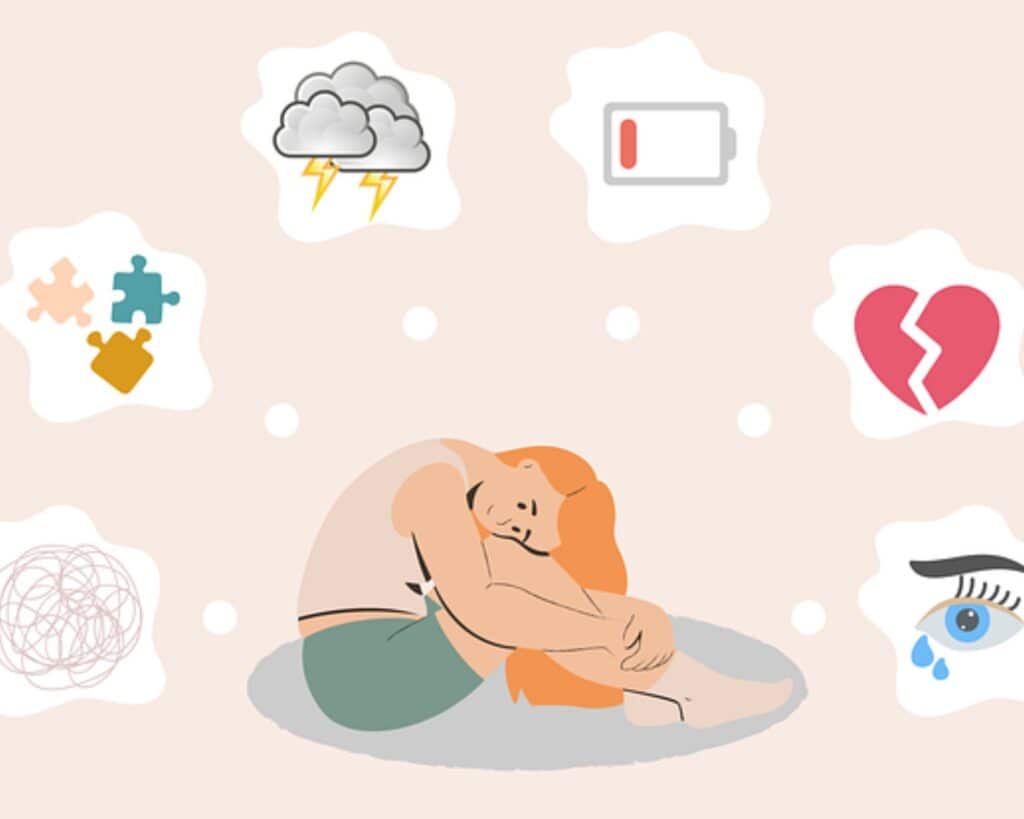
Co-occurring mental health issues and social media addiction
Social media addiction is often accompanied by various co-occurring mental health issues. These can exacerbate the negative impacts of excessive social media use, creating a cycle that is difficult to break. Some common co-occurring mental health issues with problematic social media use include:
- Anxiety: Constant engagement with social media can lead to heightened anxiety, especially regarding the need to stay updated with the latest posts, comments, and likes. The fear of missing out (FOMO) and social comparison can further increase anxiety levels.
- Depression: Excessive social media use has been linked to feelings of depression. The comparison with others’ curated lives, exposure to negative content, and the lack of real-life social interactions can contribute to depressive symptoms.
- Sleep Disorders: The blue light emitted by screens and the engaging nature of social media can disrupt sleep patterns. Late-night scrolling can lead to insomnia and other sleep disorders, impacting overall mental health.
- Attention Deficit Hyperactivity Disorder (ADHD): People with ADHD may find the constant stimulation and rapid content changes on social media particularly addictive. This can worsen symptoms like inattention and impulsivity.
- Body Dysmorphic Disorder (BDD): Social media platforms, especially those focused on visual content like Instagram, can exacerbate body image issues. The constant exposure to idealized images can lead to body dysmorphia and related disorders.
- Obsessive-Compulsive Disorder (OCD): Social media addiction can intensify OCD symptoms, such as the need to check notifications compulsively, repeatedly post updates, or engage in online rituals.
- Social Anxiety Disorder: While social media can initially seem like a way to connect without face-to-face interaction, it can worsen social anxiety by increasing reliance on virtual communication and reducing real-world social skills.
- Loneliness: Paradoxically, high social media use can lead to feelings of loneliness. Despite being constantly connected online, the lack of deep, meaningful interactions can leave individuals feeling isolated.
- Narcissistic Personality Disorder (NPD): For individuals with narcissistic traits, social media can provide a platform for seeking admiration and validation, potentially worsening narcissistic behaviors and dependence on external approval.
- Addiction and Substance Use Disorders: Social media addiction can co-occur with other forms of addiction, such as substance use disorders. The escapism provided by social media can serve as a coping mechanism for those struggling with substance abuse.
Addressing social media addiction often requires a holistic approach that considers these co-occurring physical and mental health issues.

How to identify social media addiction
Diagnosing social media addiction can be difficult as there are no associated substances or physical side effects. Similarly, social media overuse can be a bad habit without meeting the criteria for a full-blown addiction.
Social media or internet addiction is linked to several negative consequences and behavioral patterns that may help with identification, including:
- Spending a lot of time thinking about social media
- Experiencing frequent and escalating urges to use social media
- Using social media as a tool to avoid personal problems
- Previous attempts to reduce social media usage have failed
- Exhibiting restlessness, anxiety, irritability, etc., when unable to access social media
- Allowing social media use to disrupt daily responsibilities such as work and school
Those experiencing three or more of those behaviors should consult with a professional treatment provider for a confirmed diagnosis as soon as possible.

Social media addiction treatment
Although those experiencing social media addiction can experience potent cravings, there are no life-threatening withdrawal symptoms like with some substances.
This means that recovering from and treating social media addiction requires no detox facilities and oftentimes without visiting treatment centers long-term. Instead, broad-application therapies used alongside software designed to reduce social media use are the two main ways patients cope with the urge to use social media.

Therapy for social media addiction
Like many other addiction treatments, social media addiction, or general internet addiction, is often treated with cognitive behavioral therapy. This therapeutic approach attacks addictions at their source to address the reasons the patients turned to addictive behaviors in the first place. They learn about the disease of addiction, why they’re so fixated on social media, and how to find healthier ways to manage those urges.
Ultimately, the goal of psychotherapy is to help the patient develop relapse-prevention strategies. As an example, this could amount to designating specific times of day for their social media use.

Cutting down on social media
There are many strategies and tools with which to decrease social media use. For instance, a number of software developers who recognized social media addiction’s impact early built a suite of tools to help curb social media use. These tools can blacklist specific sites, automatically sign users out after a set amount of time online, or turn off notifications at specific times.
Let Red Ribbon Recovery help you face your addiction
Social media has become a constant presence in daily life, but when its use starts to interfere with your well-being, it may be time to step back. Recognizing unhealthy patterns is the first step toward regaining balance. By setting boundaries, adopting healthier habits, and seeking support when needed, you can break free from compulsive social media use and restore a sense of control.
If you’re struggling to cut back or feel overwhelmed by social media’s impact on your mental health, professional guidance can help. Red Ribbon Recovery offers the support and resources you need to make lasting changes. Contact us today to learn more about our approach to behavioral health and digital wellness.