
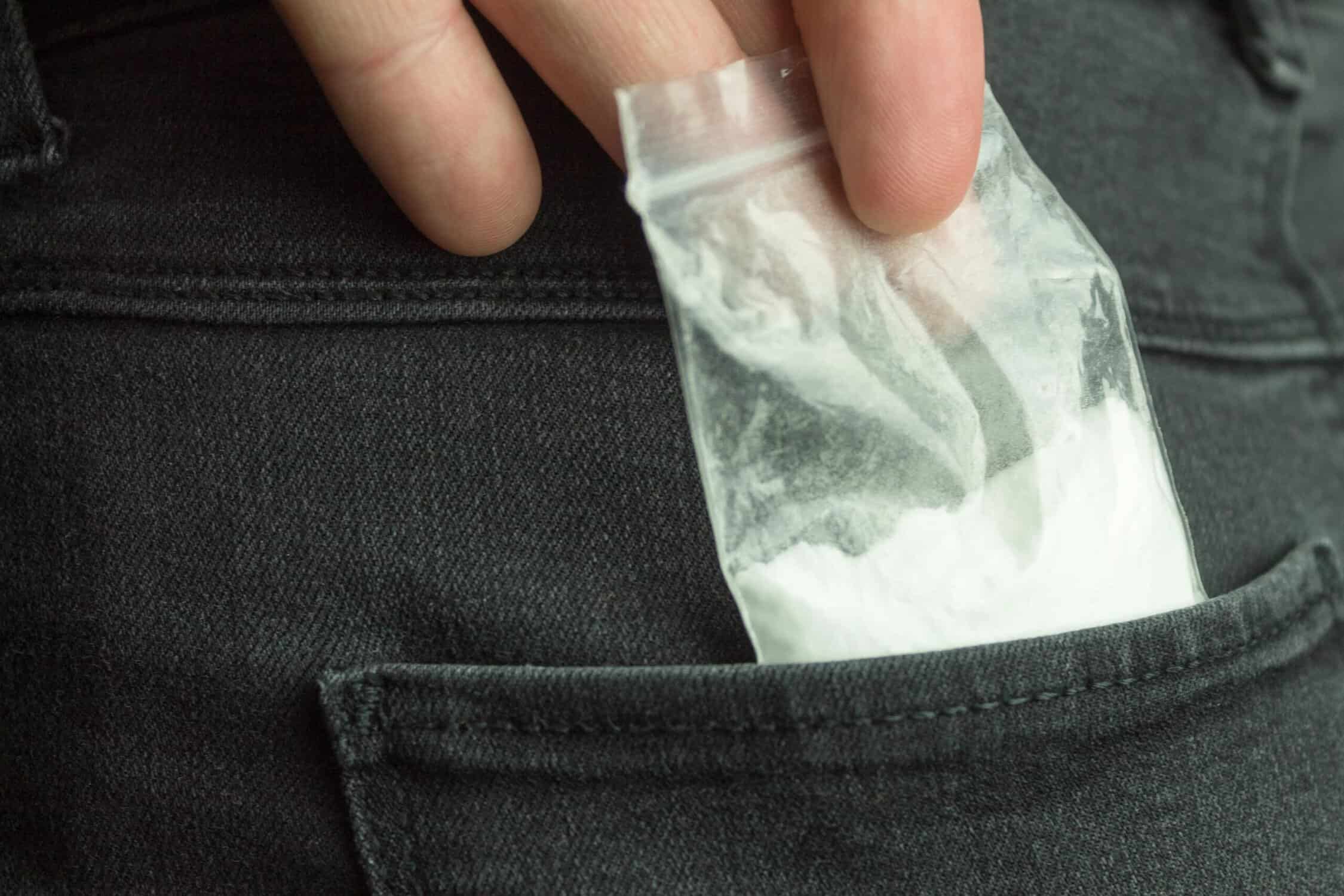
Fentanyl has become one of the most dangerous substances driving the opioid overdose crisis in the United States, and somewhere along the way, it became the subject of internet humor. The “pocket fent” meme, a riff on the viral “pocket sand” GIF, treats the extreme lethality of fentanyl as a punchline. But behind the joke is a substance that killed over 73,000 Americans in a single year. Understanding where the meme comes from, why it spreads, and what pocket fent actually represents in the real world is more important than most people scrolling past it realize.
Where the pocket fent meme comes from
The original “pocket sand” joke comes from a cartoon character from King of the Hill, a man in a suit and an orange hat, who throws a handful of sand to escape a threat. The GIF became a staple of internet humor, and it was only a matter of time before it got remixed with something the internet has simultaneously learned to fear and joke about: fentanyl.
The pocket fent version of the meme swaps the sand for fentanyl powder, implying that even a small airborne cloud of the substance would be instantly lethal to anyone nearby. On one level, it is absurd internet humor. On another, it reflects something real, a collective, low-grade anxiety about a drug so potent that people genuinely do not know what is true and what is exaggerated. Humor is often how communities process fear that they do not have language for yet. The overdose crisis has created exactly that kind of fear, and the pocket fentanyl meme is one place it surfaces.
The opioid crisis behind the joke
To understand why pocket fent landed as a meme at all, it helps to understand the scale of what is actually happening. The United States has been in the grip of an opioid crisis for decades, but the fentanyl era has made it significantly more deadly. Illicitly manufactured fentanyl is now the leading driver of overdose deaths in the country, and it is showing up in substances far beyond heroin, cocaine, methamphetamine, counterfeit prescription pills, and even substances where users have no reason to expect an opioid at all.
Fentanyl is roughly 100 times more potent than morphine. A dose measured in micrograms, invisible to the naked eye, can be fatal. This is not an exaggeration for effect. It is the clinical reality that has reshaped opioid addiction treatment and overdose response across the country. The speed with which illicitly manufactured fentanyl displaced heroin in the drug supply caught communities, treatment systems, and public health infrastructure off guard. The death toll reflects that.
State-level data consistently show fentanyl present in the vast majority of fatal overdoses. It does not discriminate by age, income, or background. People who have used substances for years and people experimenting for the first time are equally at risk when fentanyl enters the equation without their knowledge. That is the real-world context the pocket fent meme exists inside; not a harmless joke floating in a vacuum, but a cultural artifact of a genuine public health emergency.
What pocket fent actually does to the body
Setting aside the meme, fentanyl’s pharmacology explains exactly why it is so dangerous. As a synthetic opioid, it binds to the opioid receptors in the brain and central nervous system with extraordinary affinity. It suppresses the respiratory drive, the automatic biological process that keeps you breathing , faster and more completely than most other opioids. When someone takes too much, their breathing slows, then stops. Without immediate intervention, that is fatal.
The onset of a fentanyl overdose is rapid, particularly when the substance is injected or inhaled in significant quantities. Signs include extreme drowsiness, confusion, pinpoint pupils, slow or stopped breathing, and blue or grayish lips and fingertips from lack of oxygen. Naloxone, sold under the brand name Narcan, can reverse a fentanyl overdose, but the potency of fentanyl sometimes requires multiple doses. Time is the critical variable. Every minute without oxygen causes brain damage. Getting naloxone into someone’s system and calling emergency services immediately is the difference between life and death.
Understanding these physical realities is part of what drug and alcohol detox programs address when working with individuals who have developed opioid dependence. Medical supervision during withdrawal from fentanyl is not optional; it’s a clinical necessity.
Signs of fentanyl use
Fentanyl acts on the central nervous system faster and more aggressively than most other opioids, which means the signs of use can escalate to crisis level quickly. Knowing what to look for in yourself or someone else is one of the most practical tools available during the overdose crisis.
Early warning signs
In the early stages of fentanyl use, signs can be easy to dismiss or mistake for exhaustion. These include extreme drowsiness, slowed speech, confusion, and a general disconnection from surroundings. The pupils will appear abnormally small, often described as pinpoint, regardless of the lighting in the room. Coordination suffers noticeably, and the person may nod in and out of consciousness mid-conversation.
Signs that an overdose is already happening
As use continues or dosage increases, the signs become more severe. Breathing slows and becomes shallow. The person may become completely unresponsive to voice or physical stimulation. Lips, fingertips, and the area around the mouth may turn blue or grayish due to oxygen deprivation. Skin can become pale, cold, and clammy. These are not warning signs of an impending overdose. They are signs that an overdose is already happening and that emergency intervention is needed immediately.
Why don’t need to be a regular user to still be at risk
Because illicitly manufactured fentanyl is now found in a wide range of substances, someone does not need to be a regular opioid user to show these signs. A person who unknowingly consumed fentanyl in a counterfeit pill or another substance can go from alert to unresponsive in minutes. Medication assisted treatment is one of the most effective clinical tools for individuals who have developed dependence and want a structured path toward stopping use safely.
How to protect yourself from fentanyl exposure in the real world
Public conversation about fentanyl exposure has been shaped heavily by misinformation, much of it amplified by memes like pocket fent. Calibrating your actual risk accurately matters because overestimating danger in low-risk situations creates panic, while underestimating it in genuinely high-risk situations creates complacency.
Where real exposure risk actually comes from
The realistic high-risk scenarios for fentanyl exposure involve direct ingestion, not casual contact. Consuming a substance that has been adulterated with fentanyl without your knowledge is by far the most common route of accidental exposure. Counterfeit prescription pills are a particular concern, as they are often visually indistinguishable from legitimate medications but may contain a lethal dose of fentanyl. Purchasing any pills outside of a licensed pharmacy carries significant and well-documented risk.
Fentanyl test strips and naloxone
Fentanyl test strips are one of the most accessible and practical harm reduction tools available. They can detect the presence of fentanyl in a substance before it is consumed and are increasingly available through pharmacies and community health programs. Carrying naloxone is equally important. It is available without a prescription in most states and can reverse a fentanyl overdose when administered quickly. Knowing how to use it before you need it is the preparation that saves lives.
Protection for higher-risk environments
For people working in environments where fentanyl may be present in powdered form, such as first responders or harm reduction workers, nitrile gloves and masks rated for fine particulate matter provide appropriate protection. Standard precautions are sufficient for these settings. The level of exposure required to cause overdose through skin contact alone is not achievable through ordinary handling, but proper protective equipment removes any residual risk and is standard professional practice.
Taking the next step toward recovery
If you or someone you care about is struggling with fentanyl use or opioid dependence more broadly, the most important thing you can do right now is reach out for a professional evaluation. Dependence on fentanyl does not resolve on its own, and attempting to stop without clinical support carries serious medical risk. The right level of care, whether that is medically supervised detox, residential treatment, or a structured outpatient rehab program, makes a measurable difference in both safety and long-term outcomes.
Contact Red Ribbon Recovery today or call (888) 899-3880 to speak with someone who understands the clinical realities of fentanyl dependence and can help identify the right level of care for your specific situation. You do not have to figure this out alone.
Frequently asked questions
Fentanyl is a powerful synthetic opioid that is prescribed medically for severe pain management but is also widely involved in overdose deaths linked to illicit drug use. Fentanyl is extremely potent, which means even a very small amount can slow breathing and become life-threatening. Many people overdose because fentanyl is often mixed into substances like heroin, cocaine, counterfeit pills, or other street drugs without the person knowing it. This increases the risk of accidental overdose and respiratory failure.
Common signs of a fentanyl overdose include slowed or stopped breathing, blue lips or fingertips, pinpoint pupils, loss of consciousness, choking sounds, extreme drowsiness, and an inability to wake up. A person may also appear limp or unresponsive. Because fentanyl works quickly, immediate emergency medical attention is critical. Administering Naloxone can temporarily reverse opioid overdose symptoms and save a person’s life while waiting for emergency responders.
Yes. Fentanyl can be highly addictive because it strongly affects the brain’s reward and pain systems. Some people develop dependence after medical use, while others become addicted through recreational or accidental exposure. Over time, the body may build tolerance, meaning a person needs more of the drug to feel the same effects. This can increase overdose risk significantly. Fentanyl addiction often affects mental health, relationships, work, and overall quality of life if treatment is not received.
Fentanyl withdrawal can feel physically and emotionally overwhelming. Symptoms may include nausea, vomiting, sweating, chills, muscle pain, anxiety, insomnia, depression, cravings, stomach problems, and intense restlessness. While withdrawal is usually not life-threatening on its own, it can feel severe enough that many people return to opioid use to stop the discomfort. Medical detox and addiction treatment programs can help manage withdrawal symptoms safely and provide support during early recovery.
Treatment for fentanyl addiction often includes medical detox, inpatient rehab, outpatient treatment, counseling, group therapy, relapse prevention planning, and medication-assisted treatment. Evidence-based approaches can help people address both the physical dependence and the emotional factors connected to substance use disorder. Many addiction treatment programs also provide mental health support, family therapy, and long-term recovery planning to help individuals rebuild stability and move toward lasting recovery.
Sources
- Harvard T.H. Chan School of Public Health. (February 9, 2022). What led to the opioid crisis—and how to fix it. Harvard T.H. Chan School of Public Health.
- Centers for Disease Control and Prevention. (June 9, 2025). Understanding the opioid overdose epidemic. Centers for Disease Control and Prevention.
- UC Davis Health. (October 18, 2022). Can fentanyl be absorbed through your skin?. UC Davis Health.
- National Center for Biotechnology Information. (January 22, 2025). Opioid toxicity. StatPearls.
- National Institute for Occupational Safety and Health. (July 8, 2025). Fentanyl: incapacitating agent. Centers for Disease Control and Prevention.
- U.S. Environmental Protection Agency. (November 29, 2022). Remediation of fentanyl contaminated indoor environments. U.S. Environmental Protection Agency.
- Centers for Disease Control and Prevention. (February 8, 2023). Evidence-based strategies for preventing opioid overdose. Centers for Disease Control and Prevention.
- National Center for Biotechnology Information. (July 13, 2017). Evidence on strategies for addressing the opioid epidemic. National Academies of Sciences, Engineering, and Medicine.