
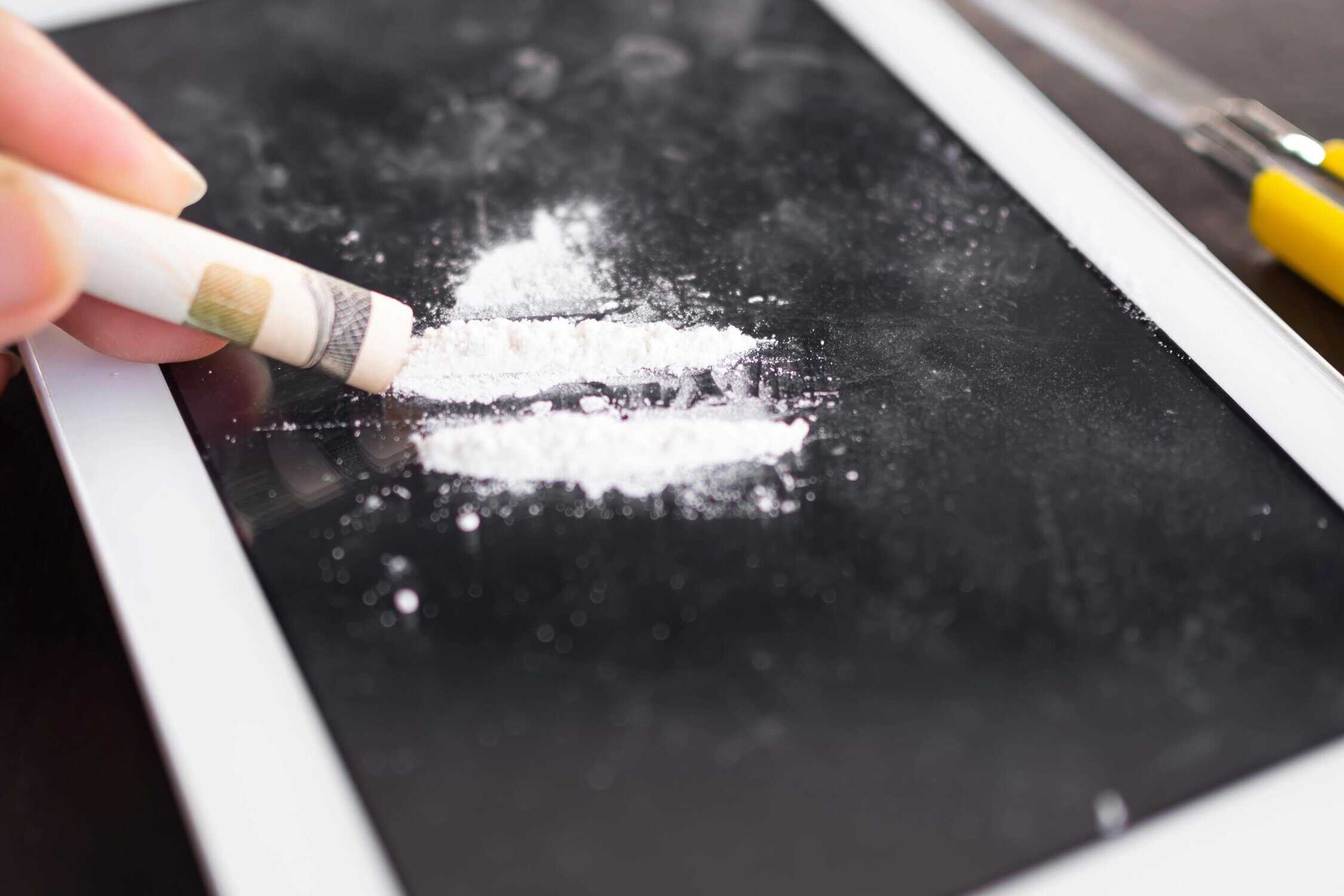
Watching someone you care about struggle with substance use is incredibly difficult, and the fear of an overdose is something that weighs heavily on your mind. You might be wondering, “can you overdose on cocaine?” perhaps after a scary incident or because you’re worried about where things are heading. It’s a question that comes from a place of concern, and getting a clear answer is the first step toward understanding the real health risks involved and finding a path to safety and recovery.
Can you overdose on cocaine?
Yes, you can absolutely overdose on cocaine. A cocaine overdose is a severe medical emergency that can be fatal. It happens when the body is overwhelmed by the toxic effects of the drug, which can cause the central nervous system and cardiovascular system to shut down. Cocaine blocks the reuptake of key neurotransmitters in the brain, leading to overstimulation that can trigger seizures, strokes, and life-threatening heart problems.
The risk is not rare. The number of overdose deaths involving cocaine remains a serious concern. According to data from the Centers for Disease Control and Prevention, thousands of people in the U.S. die from cocaine-involved overdoses each year, making it a significant public health issue. If you are concerned about your own use or a loved one’s, exploring cocaine addiction treatment can provide a safe and effective path forward.
What are the symptoms of a cocaine overdose?
The signs of cocaine overdose can vary widely from person to person, but they always signal a medical crisis that requires immediate attention. A person who is high on cocaine might seem energetic and euphoric, but an overdose pushes the body’s systems past their limits. The symptoms can be both physical and psychological, often appearing in a severe and alarming combination.
Psychological signs can be just as dangerous. Someone experiencing an overdose may show extreme anxiety, agitation, or panic. It’s also common to see paranoia, where they become intensely suspicious of others, or experience hallucinations, seeing or hearing things that aren’t there. This state of psychosis can make the situation unpredictable and frightening for everyone involved.
Physical effects of cocaine overdose
Recognizing the physical signs of a cocaine overdose is critical for getting help quickly. These symptoms reflect the immense strain the drug puts on the body, especially the heart and nervous system.
- Rapid or irregular heart rate. The heart may beat dangerously fast or in an abnormal rhythm, leading to cardiac arrest.
- High blood pressure. A sudden spike in blood pressure can cause a stroke or heart attack.
- Extremely high body temperature. Known as hyperthermia, this is a life-threatening symptom that can cause organ damage.
- Chest pain. This often signals a heart attack or other serious cardiovascular event.
- Nausea or vomiting. These are common reactions as the body struggles with the drug’s toxicity.
- Tremors and seizures. Uncontrollable shaking can escalate into full-blown convulsions, which can be fatal.
What causes cocaine overdoses?
Many people ask, “How much cocaine does it take to overdose?” but there is no single answer. The risk of overdose depends on a mix of factors rather than a specific amount. An amount that one person tolerates might be fatal for another, and what was manageable one day could be deadly the next. Understanding these factors is key to recognizing the danger.
A major cause of cocaine overdose is the unpredictable purity of street drugs. Cocaine is often mixed with other substances, and one of the most dangerous is fentanyl. This synthetic opioid is incredibly potent, and even a tiny amount can cause a fatal overdose, especially for someone who doesn’t have a tolerance to opioids.
The CDC has noted that polysubstance use, or using more than one drug at a time, significantly increases health risks. Mixing cocaine with alcohol is also risky, as it creates a toxic chemical called cocaethylene in the liver, which puts extra strain on the heart. An individual’s tolerance and overall health also play a huge role; someone with a lower tolerance or underlying heart condition is at a much higher risk.
What to do if you notice cocaine overdose symptoms
If you suspect someone is overdosing on cocaine, it’s a medical emergency. Acting quickly can save their life. Here are the steps you should take:
- Call 911 immediately. This is the most important step. Tell the dispatcher you suspect a cocaine overdose and provide your location. Many states have Good Samaritan laws that protect people who call for help during an overdose from being arrested for drug possession.
- Stay with the person. Do not leave them alone. Try to keep them calm and in a quiet environment to reduce stimulation.
- If they are unconscious, roll them into the recovery position. Lay them on their side with their top knee bent to prevent them from choking if they vomit.
- Gather information for paramedics. If you can, find out what substances they took, how much, and when. This information will help medical professionals provide the right care.
- Do not try to “treat” them yourself. Avoid putting them in a cold shower or giving them food or drink. Wait for emergency services to arrive.
Cocaine addiction treatment
Surviving an overdose is a wake-up call and a critical sign that professional help is needed. While the experience is terrifying, it can be the turning point that leads to lasting recovery. At Red Ribbon Recovery, we offer a compassionate, evidence-based approach to outpatient care designed to help you heal without putting your life on hold. We understand that cocaine addiction often exists alongside other challenges, which is why we recommend dual diagnosis treatment for co-occurring conditions like anxiety or depression.
Services include personalized therapy, medication management, and support systems tailored to your unique needs. With nationwide telehealth access, you can connect with our caring professionals from the comfort and privacy of your own home. If you recognize these risks in yourself or a loved one, reaching out for support is a courageous first step. Addressing co-occurring disorders is often a key part of successful, long-term recovery.
Frequently asked questions
Yes. It is possible to overdose on cocaine, and it can become a life threatening medical emergency. Cocaine is a powerful stimulant drug derived from the coca plant native to South America. When someone uses too much cocaine, the drug can push the body beyond safe limits, causing toxic levels to build up in the bloodstream. This can disrupt the brain, heart, and nervous system, greatly increasing the risk of overdose and other severe health problems.
There is no exact amount that guarantees an overdose because the risk depends on several factors, including body size, tolerance, and whether the person is using other substances at the same time. Even small amounts can be dangerous, especially for someone who is abusing cocaine frequently or using crack cocaine, which delivers the drug to the brain very quickly. Mixing cocaine with alcohol or other illicit substances also increases the risk of overdose.
Cocaine overdose symptoms can appear quickly and may include chest pain, seizures, severe anxiety, confusion, or extreme agitation. Physical symptoms may include high blood pressure, elevated heart rate, elevated body temperature, and difficulty breathing. In severe cases, cocaine toxicity can lead to heart attack, cardiac arrest, or stroke. These warning signs require immediate medical attention because the situation can rapidly become life-threatening.
If someone shows signs of a cocaine overdose, it is critical to seek immediate medical attention. Call emergency services right away and try to keep the person calm while waiting for help. Do not leave the person alone, as symptoms such as seizures or cardiac complications can escalate quickly. A cocaine overdose is a medical emergency, and rapid treatment can save a person’s life.
People struggling with cocaine addiction or long-term cocaine abuse can benefit from professional addiction treatment. Many treatment programs focus on behavioral therapies, counseling, and support systems that help individuals address both the physical and psychological aspects of addiction. A supportive environment and structured treatment options can help people reduce cocaine use, rebuild their health, and move forward in recovery.
Take the first steps towards finding cocaine addiction treatment
A cocaine overdose is a frightening experience, but it doesn’t have to be the end of the story. Recovery is entirely possible with the right support and commitment. The journey to sobriety is a process of healing and rediscovering your strength, one day at a time. Acknowledging the need for help isn’t a sign of weakness; it’s a sign of courage. It shows you’re ready to build a healthier, more fulfilling future for yourself. Taking that first step is the most powerful thing you can do.
Professional treatment can provide the tools and guidance necessary for healing. With options like telehealth, expert care is more accessible than ever, allowing you to start your recovery journey from a safe and private space. Taking the next step can feel overwhelming, but a confidential conversation is a simple place to start.
To learn more about your options and begin the path toward sobriety, call us at (888) 899-3880. The team at Red Ribbon Recovery is here to help you build a new future. You can also get in touch by contacting us today.
Sources
- Centers for Disease Control and Prevention. (January 29, 2026). Drug overdose deaths in the United States, 2023–2024. CDC.
- National Institute on Drug Abuse. (August 21, 2024). Drug overdose deaths: facts and figures. NIDA.
- National Center for Biotechnology Information. (June 8, 2023). Cocaine toxicity. StatPearls Publishing.
- U.S. National Library of Medicine. (January 8, 2025). Cocaine intoxication. MedlinePlus.
- Centers for Disease Control and Prevention. (April 2, 2024). Polysubstance use facts. CDC.
- National Center for Biotechnology Information. (November 2023). Prevalence of fentanyl in methamphetamine and cocaine samples tested in community-based drug checking services in the United States, May 2021-June 2023. Drug and Alcohol Dependence.
- National Center for Biotechnology Information. (August 29, 2019). Risk factors for drug overdose in young people. International Journal of Environmental Research and Public Health.
- U.S. Department of Health and Human Services. (July 29, 2025). Tele-treatment for substance use disorders. HHS.
- Substance Abuse and Mental Health Services Administration. (June 9, 2023). National helpline for mental health, drug, alcohol issues. SAMHSA.
- University of Utah Health. (July 14, 2022). Take successful steps to drug addiction recovery. University of Utah Health.
- National Center for Biotechnology Information. (October 16, 2019). The treatment of cocaine use disorder. Current Opinion in Psychiatry.