If you or someone you love is struggling with addiction, the path forward can feel uncertain and overwhelming. You might be hearing a lot of different terms, and one that often comes up is “MAT.” So, what is MAT? In short, it’s a modern, evidence-based approach to treating substance use disorders that combines medication with counseling. It’s not about replacing one substance with another; it’s about giving you a stable foundation so you can truly begin to heal. Think of it as a hopeful path, one that addresses the physical side of addiction so you have the space and clarity to work on the emotional and psychological parts of recovery. It’s a way to quiet the noise of cravings and withdrawal, allowing your true self to emerge and rebuild.
How MAT works
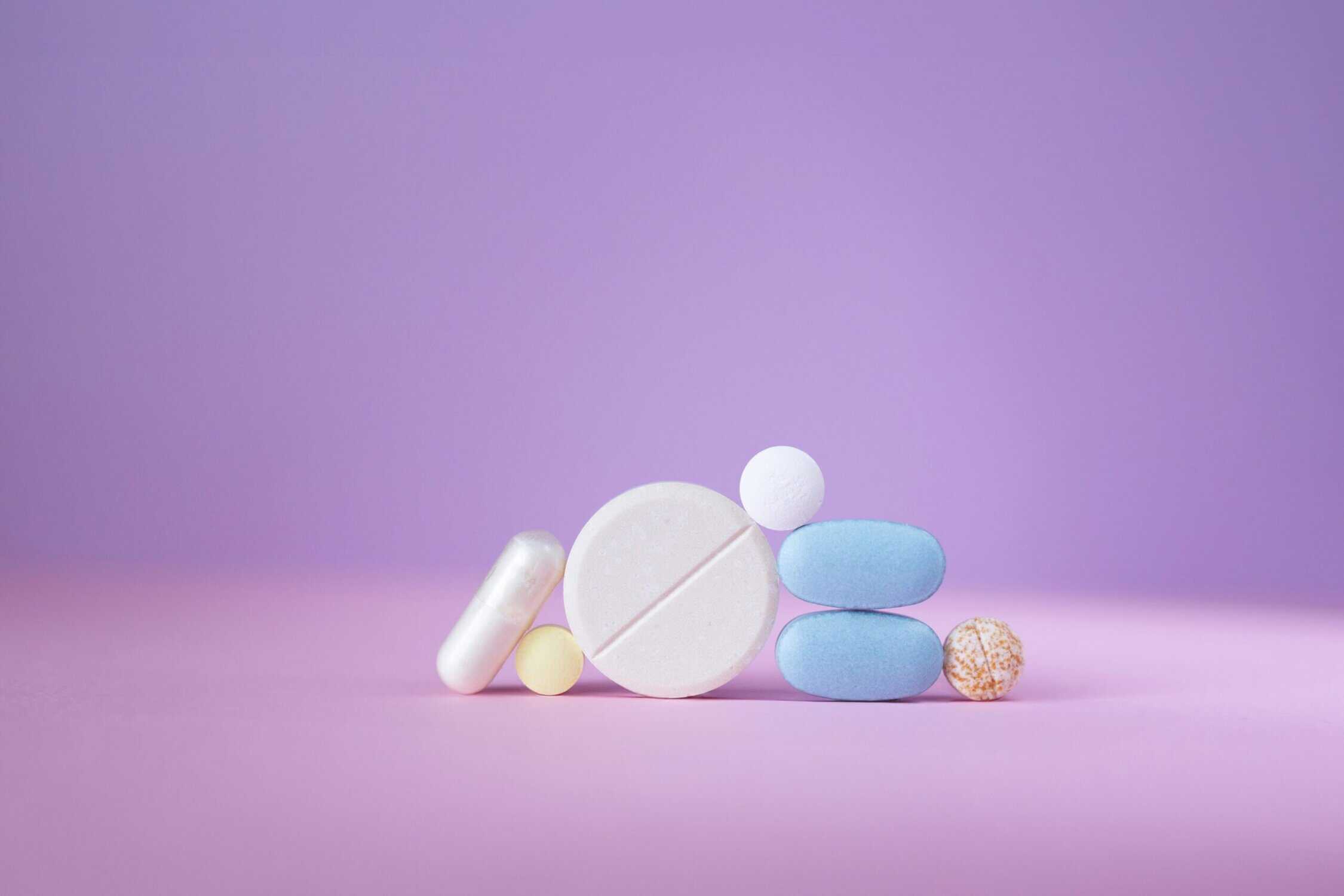
Medication-assisted treatment (MAT) is a comprehensive, “whole-patient” approach that is grounded in science. It brings together FDA-approved medications with counseling and behavioral therapies to create a well-rounded care plan. Addiction isn’t a choice; it’s a medical condition that physically changes your brain chemistry. This is where the “medication” part of MAT comes in. These medications work to normalize brain function, ease the intense physical cravings, and manage the often difficult withdrawal symptoms that can make early recovery feel impossible.
By stabilizing your brain chemistry, you’re given the mental and emotional space to fully engage in addiction treatment therapies. A common worry is that this approach just substitutes one drug for another, but that isn’t the case. The medications used in MAT are prescribed and monitored by a doctor to treat a medical condition, much like using insulin for diabetes. It’s about controlled, therapeutic use, not the compulsive, uncontrolled pattern that defines addiction. This method allows you to focus on developing coping skills and addressing the root causes of substance use with a clear mind.
Medications used in MAT
When it comes to medication-assisted treatment, there isn’t a one-size-fits-all solution. The specific addiction medications used are carefully chosen by a medical professional based on a person’s unique health needs, their history with substance use, and the specific substance involved, such as an opioid use disorder or alcohol use disorder. The goal is to find the right fit to support your recovery journey.
According to the U.S. Food and Drug Administration, several options are proven to be effective. For opioid use disorder, the primary medications are buprenorphine, naltrexone, and methadone. For alcohol use disorder, naltrexone is also used, along with acamprosate and disulfiram. Let’s take a closer look at the most common medications for OUD.
Buprenorphine
buprenorphine is what’s known as a partial opioid agonist. This means it activates the same receptors in the brain as other opioids, but only partially. This unique action helps to reduce opioid cravings and withdrawal symptoms without producing the same intense euphoric “high.” It essentially eases the discomfort of withdrawal, which helps you stay engaged in your recovery. One of the most common brand names you might hear is Suboxone, which combines buprenorphine with another medication called naloxone to help deter misuse.
Naltrexone
naltrexone works differently; it’s an opioid antagonist. Instead of activating opioid receptors, it blocks them entirely. This means if someone were to use opioids while taking naltrexone, they wouldn’t feel the euphoric effects. This mechanism can significantly reduce cravings for both opioids and alcohol.
A major benefit of naltrexone is that it’s non-addictive and doesn’t lead to physical dependence. It’s often administered as a long-acting monthly injection under the brand name Vivitrol, which provides a steady level of protection. Because it helps with both substances, it’s a valuable tool in programs that offer treatment for alcohol use disorder as well as opioid dependence.
Methadone
Methadone is a long-acting full opioid agonist. Similar to buprenorphine, it works by changing how the brain and nervous system respond to pain. It lessens the painful symptoms of opiate withdrawal and blocks the euphoric effects of other opioids like heroin. Because of its specific properties, methadone must be dispensed through a certified opioid treatment program (OTP). This ensures it’s administered safely in a structured environment as part of a comprehensive treatment plan that includes counseling and other support services.
The benefits of medication assisted treatment
The primary goal of medication-assisted treatment is to provide the stability needed to rebuild your life. By managing the physical aspects of addiction, MAT opens the door for you to fully engage in therapy and work toward long-term recovery. The benefits are clear, supported by research, and can be life-changing.
- Increases patient survival. Studies consistently show that MAT significantly reduces the risk of overdose, particularly for those with an opioid use disorder. It’s a proven life-saving intervention.
- Improves treatment retention. People in MAT programs are more likely to stay in treatment compared to those in non-medicated programs. This gives them more time to develop crucial coping skills.
- Decreases illicit substance use. By reducing cravings and withdrawal, MAT helps lower the reliance on illicit opioids and other substances.
- Helps individuals regain control. With physical symptoms managed, people can better focus on personal responsibilities, like gaining and maintaining employment and rebuilding relationships with loved ones.
How to Find MAT Treatment Near Me
Finding the right help can feel like the hardest part, but there are resources available. At Red Ribbon Recovery, we help you access MAT directly into your comprehensive addiction treatment programs, including outpatient, IOP, and PHP levels of care. We also help offer nationwide telehealth access, so you can receive high-quality care from the comfort and privacy of your home, whether you’re in Indiana, Colorado, or elsewhere. We also specialize in helping you find dual diagnosis care, ensuring that any co-occurring mental health conditions like anxiety or depression are addressed right alongside substance use for a more complete recovery.
Frequently asked questions
For people struggling with opioid dependence from heroin, prescription pain relievers, or other opioids, MAT works by targeting the same receptors in the brain affected by opioid use. Medications like methadone, buprenorphine, and naltrexone help reduce cravings, manage withdrawal symptoms, and block euphoric effects. Research shows that this combination approach lowers the risk of opioid overdose, decreases relapse, and improves outcomes compared to treatment without medications.
The FDA has approved three primary medications for opioid use disorder: methadone, buprenorphine, and naltrexone. For alcohol use disorder, medications such as naltrexone and others may be prescribed. These medications help reduce physiological cravings and withdrawal while stabilizing brain chemistry. Treatment is supervised by a doctor or clinic to ensure safety, especially for patients who may also use benzodiazepines or other substances.
No. A common misconception is that MAT replaces one addiction with another. In reality, these medications are prescribed at controlled doses to restore normal brain function and reduce the harmful effects of illicit opioid use. Unlike uncontrolled drug use, MAT is a structured treatment plan designed to decrease overdose risk and help patients sustain recovery, similar to how insulin is used to treat diabetes.
Take your first step away from opioid dependence with MAT
Taking that first step is an act of incredible strength. It’s important to remember that addiction is a treatable medical condition, not a moral failing. Medication-assisted treatment is a respected, science-backed approach that gives you a real chance to build a fulfilling life in recovery. Many people feel a sense of relief and hope right after their first confidential consultation, simply because they finally have a clear, supportive plan. You are not alone, and a hopeful path to recovery is available to you.
If you’re ready to explore your options, we’re here to help you navigate the journey. A conversation with our team is completely confidential and comes with no obligation. You can learn more about how MAT can fit into a personalized recovery plan by calling us at (888) 899-3880. Lasting recovery is possible, and it all starts with one hopeful step. We at Red Ribbon Recovery are here to support you, and you can always contact us to begin a confidential conversation.
Sources
- SAMHSA. (August 25, 2025). Medications for substance use disorders. SAMHSA.
- National Institute on Drug Abuse. (July 6, 2020). Treatment and recovery. National Institute on Drug Abuse.
- U.S. Food and Drug Administration. (December 26, 2024). Information about medications for opioid use disorder (MOUD). U.S. Food and Drug Administration.
- National Institute on Drug Abuse. (March 20, 2025). Medications for opioid use disorder. National Institute on Drug Abuse.
- National Library of Medicine. (June 3, 2009). Buprenorphine is a weak partial agonist that inhibits opioid. National Library of Medicine.
- Assistant Secretary for Planning and Evaluation. (July 8, 2020). Models for medication-assisted treatment for opioid use disorder. U.S. Department of Health and Human Services.
- Centers for Disease Control and Prevention. (September 18, 2025). Data resources. Centers for Disease Control and Prevention.
- Centers for Disease Control and Prevention. (May 7, 2025). Treatment of opioid use disorder before, during, and after pregnancy. Centers for Disease Control and Prevention.
- SAMHSA. (June 9, 2023). National helpline for mental health, drug, alcohol issues. SAMHSA.
- National Library of Medicine. (September 7, 2010). Integrated treatment of substance use and psychiatric disorders. National Library of Medicine.