
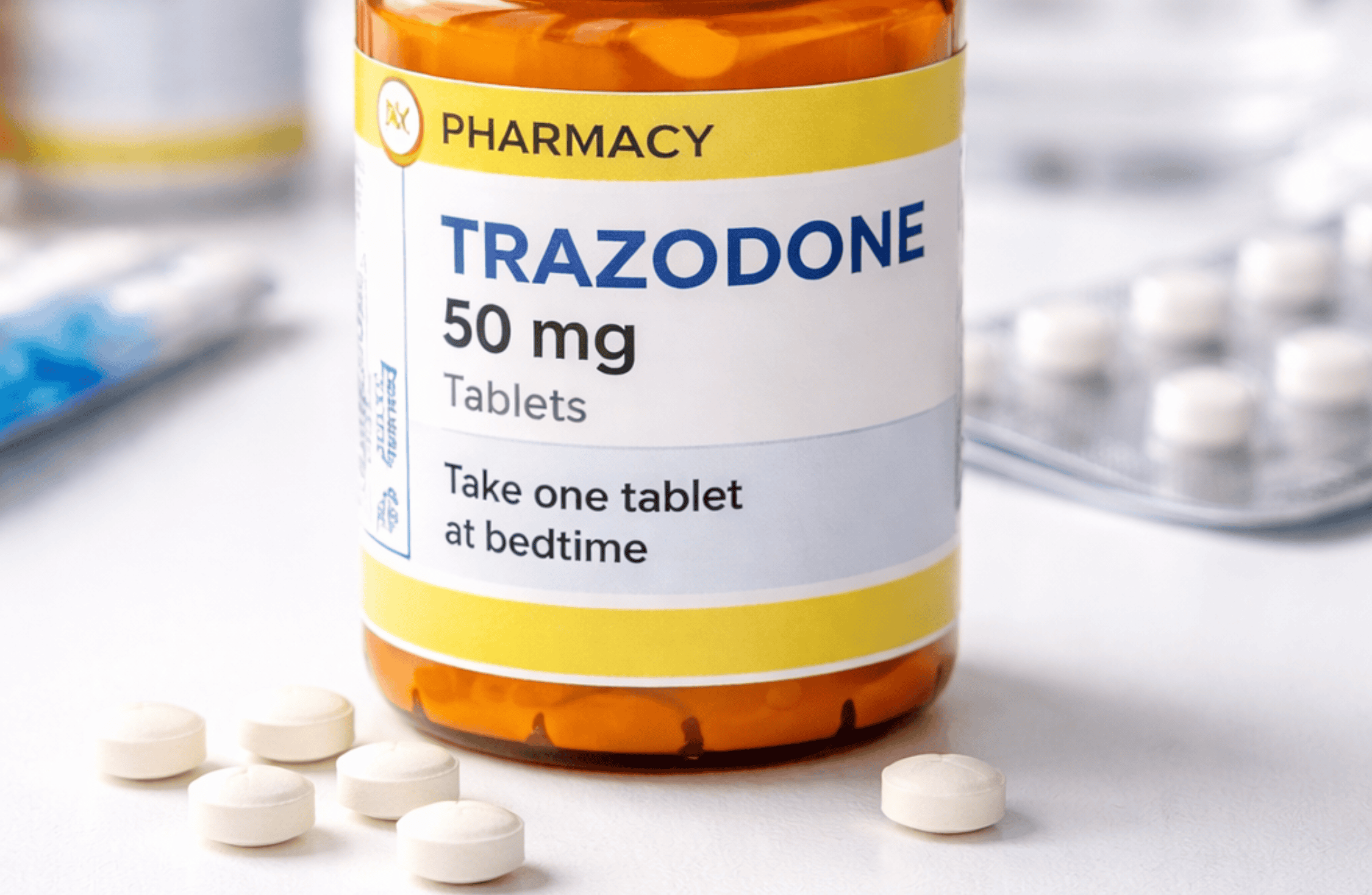
When you start a new medication, it helps to understand exactly what it does inside your body, especially when you are navigating mental health or substance use concerns. If you are wondering what trazodone is, it’s primarily known as a prescription antidepressant used to treat depression and other mood disorders. It belongs to a class of medications known as serotonin modulators, which help restore balance to chemicals in your brain.
What is trazodone?
So, how trazodone works comes down to its relationship with serotonin. Serotonin is a chemical messenger that regulates your mood, digestion, and sleep. By helping regulate and affect serotonin levels, this medication can lift your mood and ease anxiety. Doctors often prescribe it to treat major depressive disorder and major depressive disorder and manic depressive disorder (bipolar disorder) in some cases.
However, many people use this medication for other reasons. Because it has a sedating effect at lower doses, doctors frequently prescribe it off-label to treat insomnia and trouble sleeping. In fact, using it as a sleep aid is very common for people who struggle to rest.
Common side effects of trazodone
Starting any new medication can bring unexpected physical changes. The side effects of trazodone are usually mild and manageable. Many people wonder, “Do the side effects of trazodone go away?” Yes, they typically decrease as your body adjusts to the medication over a few weeks. Knowing what to expect can help you stay calm and prepared.
Drowsiness, dizziness, and fatigue
Feeling drowsy is the most widely reported reaction. In fact, excessive daytime drowsiness affects up to 30 percent of people who take this medication. Because it makes you sleepy, doctors often use it to help people rest. However, this fatigue can linger into the next day. Taking your dose right before bed or with a meal or light snack can help minimize daytime sleepiness.
You might also experience dizziness or lightheadedness. This often happens when you stand up too quickly, a condition known as orthostatic hypotension or low blood pressure when moving from a lying or sitting position. Take your time when getting out of bed or standing up from a chair. You should also avoid driving until you know how the medication affects your reaction time, concentration, or risk of fainting.
Gastrointestinal effects
Your digestive system might also react to the new medication. Up to 25 percent of users report experiencing a dry mouth. You can manage this by sipping water throughout the day or chewing sugarless gum. Other intestinal symptoms include nausea, an upset stomach, constipation, diarrhea, and, in rare cases, ringing in the ears.
Eating a balanced, fiber-rich diet can help keep your digestion moving smoothly. If you experience a bad taste in your mouth, drinking more fluids can help flush it out.
Other common reactions
Beyond sleepiness and stomach issues, you might notice a few other mild changes. A dull headache is a frequent complaint during the first few days of treatment. Some people also report temporary blurred vision, tingling feelings, or develop confusion
You might even notice slight changes in weight or a shift in your daily appetite. These common side effects usually do not require you to stop the medication. However, keeping an open line of communication with your doctor is the best way to stay safe and comfortable during your treatment.

Serious side effects and warnings for trazodone
You might have serious side effects when taking trazodone. Some side effects might include a high fever, sudden high body temperature, severe shivering, heavy sweating, and a dangerously fast heart rate. You might also experience coordination issues, muscle tremors, severe convulsions, or muscle aches, along with confusion or agitation. This is a strict medical emergency.
Serotonin syndrome
Serotonin syndrome is a rare but life-threatening condition. It happens when your body accumulates too much serotonin or when other medicines, including migraine medicines, monoamine oxidase (MAO inhibitor), herbal or vitamin supplements like St. John’s wort, or prescription pain medicine, interact with trazodone.
Priapism
Another severe risk is priapism. This is a prolonged, painful erection that lasts more than four to six hours. It’s not related to sexual stimulation. If left untreated, it can cause permanent tissue damage and lasting sexual side effects. This condition is also known as a prolonged erection or painful erection and requires immediate care.
Increased suicidal thoughts
Like many medications that alter brain chemistry, this drug carries a black box warning. It may increase the risk of suicidal thoughts and behaviors, especially in young adults. Family members should stay alert for sudden mental health changes, including panic attacks, sudden or strong feelings, or worsening mood disorders.
Finally, people with pre-existing heart conditions face cardiovascular effects like QT prolongation, which disrupts the heart’s electrical system. You should also watch for an allergic reaction, such as swelling of the face or throat. Always review your full medical history with your provider before starting treatment.
Using trazodone for sleep: dosage and considerations
Because of its calming properties, many people use trazodone to help them sleep. When used strictly for insomnia, the dosage is much lower than what is prescribed for treating depression.
Doctors typically start with a low dose of trazodone for sleep, usually 25-50 milligrams. Depending on your response, your provider will determine exactly how much trazodone for sleep you need. To get the best results, you need to know when to take trazodone for sleep. It is most effective when taken about 30 minutes before you plan to go to bed.
The medication’s half-life means its sedating effects will usually wear off within six to eight hours. This allows you to get a full night of rest without feeling completely exhausted the next day. However, taking it too late at night can leave you feeling groggy in the morning.
The risk of mixing trazodone and other medications
You might be tempted to mix sleep aids, leading to the question, ” Can I take trazodone and Benadryl together?” Trazodone interacts with many substances, including over-the-counter sleep aids, anesthetic medicines, numbing medicines, and alcohol dependence-related substances. Combining these medications can cause excessive CNS depressant effects, leading to breathing problems, extreme dizziness, and increased fall risk. Medication is only one piece of the puzzle when you are rebuilding your life. In addiction recovery, establishing good sleep hygiene is just as important as the trazodone dosage for sleep.
You should also be cautious with supplements and medications that affect serotonin, as these combinations may increase the risk of conditions called serotonin syndrome. Symptoms may include coordination issues, muscle tremors, muscle spasms, or confusion. Always share a full list of other medicines with your provider.

Managing side effects and when to seek professional help
Dealing with medication side effects can be frustrating, but many mild symptoms are easy to manage at home. If you are struggling with a dry mouth, try drinking plenty of water throughout the day and chewing sugar-free gum. If dizziness is your main challenge, make sure you rise slowly from sitting or lying down. This gives your blood pressure a moment to stabilize and prevents sudden lightheadedness.
Navigating medication changes is a normal part of the recovery journey. In an addiction treatment program, you do not have to figure this out alone. Finding the right balance of medication and behavioral support is vital for holistic healing. Public health organizations emphasize the importance of medications for substance use disorders when combined with counseling. At Red Ribbon Recovery, our team is dedicated to helping you manage every aspect of your health safely and effectively. We believe in treating the whole person, not just the symptoms.
FAQ
If you miss a single dose while taking trazodone, take it as soon as you remember. However, if it is close to your next dose, it is best to skip the missed dose and return to your regular schedule. Taking two doses too close together can increase unwanted effects, such as dizziness, confusion, or fatigue. If you miss doses frequently, a medical doctor may adjust your timing to better fit your routine.
A serious allergic reaction requires immediate emergency treatment. Warning signs can include swelling in the face or throat, skin rash, chest pain, or difficulty breathing. Some individuals may also notice tingling, confusion, or unexplained noises in the ears before symptoms escalate. These reactions are rare but should never be ignored, as they can quickly become life-threatening.
Trazodone can interact with many substances, so it is important to understand how trazodone interacts with risks that can affect your safety. Combining it with pain or migraine medicines, certain antidepressants, or sleeping medicine can increase sedation and lead to unwanted effects.
You should also be cautious with supplements and medications that affect serotonin, as these combinations may increase the risk of conditions called serotonin syndrome. Symptoms may include coordination issues, muscle tremors, muscle spasms, or confusion. Always share a full list of other medicines with your provider.
Trazodone is typically taken by the oral route, most often in tablet form. Different dosage forms are available, allowing your provider to tailor treatment based on your needs, whether you are using it to treat insomnia or support mood stability.
Taking the medication with food may help reduce stomach-related unwanted effects like nausea or ears diarrhea. Following your prescribed dosing schedule carefully helps maintain steady levels in your system and reduces side effects.
Certain individuals may face an increased risk of complications while taking trazodone. This includes those with heart conditions, in which symptoms such as irregular or uneven heartbeats or cardiac arrhythmias may be more likely.
People with a history of bipolar disorder should also be closely monitored, as shifts in mood can occur. Additionally, those managing chronic conditions such as dental disease, gum disease, or tooth decay may need to pay closer attention to side effects, such as dry mouth, which can affect oral health and require follow-up dental treatment.
While many side effects are mild, some people report unusual sensations such as tingling, confusion, unexplained ear noises, high blood pressure, or changes in coordination. In rare cases, more serious symptoms like muscle tremors, chest pain, or fungus infections may occur.
If symptoms feel unusual or worsen over time, it is important to seek medical guidance to prevent complications and ensure your treatment remains safe.
Finding support for withdrawal symptoms of trazodone or other medicines
Managing the side effects of trazodone does not have to be an isolating experience. By understanding the common reactions and knowing when to ask for medical help, you protect your physical and mental health. Whether you are dealing with minor grogginess or adjusting your routine for better sleep, staying informed keeps you grounded. If you are struggling to balance your mental health needs and medication side effects, compassionate guidance is available.
At Red Ribbon Recovery, we are committed to providing reliable, accessible information and support resources that help individuals and families navigate treatment options with confidence and clarity. Call (888) 899-3880 to discuss your prescription drug treatment options with professionals who understand exactly what you are going through. Rebuilding your health requires a team that cares for your whole self, and Red Ribbon Recovery provides the medical supervision and emotional support you need to stabilize your daily life. Reach out today to adjust your care plan and find a routine that truly works for your body. Contact us today.
Sources
- National Center for Biotechnology Information. (August 1, 2017). Trazodone for insomnia: A systematic review. National Center for Biotechnology Information.
- U.S. Food and Drug Administration. Trazodone hydrochloride label. U.S. Food and Drug Administration.
- National Center for Biotechnology Information. (February 29, 2024). Trazodone. StatPearls.
- (October 1, 2019). What to do when medication makes you sleepy. Harvard Health Publishing.
- National Center for Biotechnology Information. (March 2, 2024). Serotonin syndrome. StatPearls.
- National Center for Biotechnology Information. (December 27, 2019). Arrhythmias in severe trazodone overdose. National Center for Biotechnology Information.
- National Center for Biotechnology Information. (June 11, 2015). Trazodone for insomnia in adults. National Center for Biotechnology Information.
- National Center for Biotechnology Information. (March 25, 2025). Rethinking trazodone for insomnia in alcohol use disorder. National Center for Biotechnology Information.
- National Library of Medicine. (October 15, 2025). Trazodone. MedlinePlus.
- (August 25, 2025). Medications for substance use disorders. SAMHSA.