

Alcohol use disorder (AUD), commonly known as alcoholism, is a chronic brain disorder where individuals struggle to control their drinking despite its negative impact. This condition, recognized by the American Medical Association, goes beyond a “drinking problem” and is classified as a substance use disorder.
Alcohol dependence & your body
People with alcohol use disorder may experience intense cravings, prioritize alcohol over other aspects of life, and struggle with drinking behavior even in the face of serious consequences. The National Institute on Alcohol Abuse and Alcoholism estimates that more than 15 million adults in the U.S. struggle with AUD. Overcoming this condition is difficult alone. At Red Ribbon Recovery, we want you to know and understand your various treatment options, as this is often the first step toward recovery.
Alcohol moves through your body fast. It’s absorbed from your stomach into your bloodstream and spreads throughout your body’s tissues within minutes. It only takes about five minutes for alcohol to reach your brain, and within 10 minutes, you’ll start to feel its effects.
After about 20 minutes, your liver gets to work processing the alcohol. On average, your liver can handle roughly one ounce of alcohol per hour. If your blood alcohol level reaches 0.08—the legal limit—it can take around five and a half hours for your system to clear it entirely. Alcohol can also linger in your urine for up to 80 hours and in your hair follicles for as long as three months.
When you drink faster than your body can process, intoxication kicks in. Although alcohol affects your entire body, it has a particularly strong impact on the brain. It disrupts how your brain communicates, interfering with essential processes and altering how you perceive and react to the world around you.
Early stages (Subliminal intoxication to euphoria)
In the early stages of drinking, alcohol triggers a release of dopamine, the brain’s “feel-good” chemical, creating feelings of relaxation, confidence, and a sense of ease. However, even at this stage, alcohol can begin to impair judgment and memory, subtly altering behavior and reactions.
You may feel more sociable or uninhibited, but your ability to make sound decisions and remember details is already compromised. This initial stage is often deceptive, as many feel “in control” while subtle effects are already at work.
Legal intoxication (Excitement)
Once blood alcohol concentration (BAC) reaches 0.08 or higher, a person is legally intoxicated. At this level, alcohol starts to disrupt motor skills, impacting coordination, speech, and reaction time. Individuals may feel overly confident or experience mood swings, leading to poor decision-making.
The effects on the brain’s frontal lobe, which controls reasoning and impulse, make it harder to assess risk and respond to situations quickly. This stage is where many accidents and risky behaviors occur, as people’s physical and mental abilities are significantly impaired, even if they may not feel as affected.
Advanced stages (Confusion to stupor)
As BAC rises to between 0.18 and 0.3, confusion and disorientation become more pronounced. The body’s balance and coordination are heavily affected, often resulting in difficulty walking or standing. Blackouts, where short-term memory is impaired, are common, making it difficult to recall events later.
At this level, alcohol poisoning becomes a serious risk, as critical brain functions, including those in the hippocampus (responsible for memory) and cerebellum (responsible for coordination), are severely impaired. Individuals in this stage may also have a higher pain threshold, increasing the risk of injury.
Critical stages (Coma and death)
With a blood alcohol concentration over 0.35, the body reaches a critical level of intoxication where essential functions, such as breathing and heart rate, are at risk of failing. Alcohol suppresses the brain stem, which controls these life-sustaining functions, leading to respiratory failure or coma. Immediate medical care is crucial at this stage to prevent fatal consequences.
A BAC above 0.45 can be lethal, as the brain loses its ability to manage vital bodily functions entirely. The risk of death from alcohol poisoning is high, underscoring the importance of recognizing the signs and getting help.
Long-term alcohol use disorders are associated with severe health issues, including liver disease, heart disease, and brain damage, highlighting the need for treatment and lifestyle changes to stop drinking and regain health.
Alcohol abuse: Signs it’s time to seek help
Signs of alcohol abuse or alcohol use disorder include physical, emotional, and behavioral symptoms that disrupt daily life. Knowing when to seek help is essential for individuals and their loved ones. Here are some indicators:
- Frequent Binge Drinking: Heavy drinking, or regular consumption of five or more drinks in one sitting, is a significant risk factor for alcohol use disorder.
- Mood Swings and Behavior Changes: Unexplained mood shifts, irritability, and neglect of responsibilities often accompany excessive drinking.
- Physical and Mental Symptoms: People may experience trouble sleeping, low self-esteem, and persistent cravings or alcohol withdrawal symptoms.
- Increased Alcohol Tolerance: Needing more alcohol to achieve the same effects can signal an escalating issue.
- Health Problems and Social Issues: Frequent illness, missed work, or strained relationships often correlate with alcohol dependence.
If you or a loved one recognize these signs, treatment options are available. Our healthcare professionals at Red Ribbon Recovery will provide an assessment to determine your diagnosis and the best treatment options for your specific needs. From behavioral therapies to support groups, we provide crucial resources for the journey to quit drinking and improve quality of life.

Medications for alcohol use disorder: Supporting sobriety
Medications can support individuals in reducing or quitting their alcohol abuse by decreasing cravings or deterring consumption. These are generally provided under medical supervision:
Naltrexone: Reduces the pleasure associated with alcohol consumption, helping to curb cravings.
Acamprosate (Campral): Decreases the urge to drink, often used after initial detox.
Disulfiram (Antabuse): Causes unpleasant symptoms if alcohol is consumed, deterring individuals from drinking.
These medications, used alongside behavioral therapies, can enhance treatment outcomes and help individuals on their path to long-term sobriety.
Getting help: Alcohol addiction treatment at Red Ribbon Recovery
At Red Ribbon Recovery, we believe in compassionate, individualized care for alcohol use disorder. Whether you’re seeking therapy, addiction counseling, inpatient rehab, or treatment for addiction and co-occurring disorders such as post-traumatic stress disorder, our programs are designed to meet you where you are in your recovery journey.
If you or a loved one is ready to take the first step in overcoming alcohol addiction, reach out to Red Ribbon Recovery. We’re here to provide support, treatment, and guidance every step of the way, helping you achieve a healthier, alcohol-free life.
Comprehensive addiction treatment programs
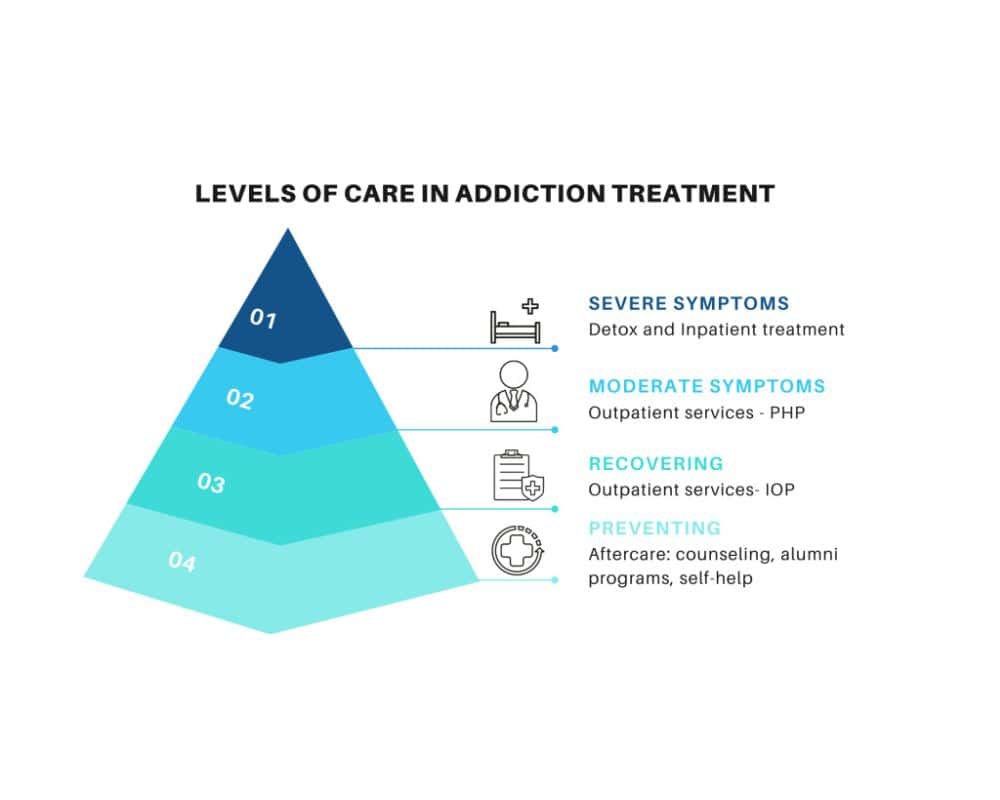
Alcohol addiction treatment is not one-size-fits-all. Various levels of care are available to meet the unique needs of individuals struggling with substance use and co-occurring mental health disorders.
Drug and alcohol detox
Detox programs provide a safe, medically supervised setting to help individuals manage withdrawal symptoms. This initial phase of treatment clears the body of substances, ensuring a stable foundation for ongoing recovery.
Residential treatment
Residential treatment, or inpatient treatment offers 24/7 care in a structured environment. Clients receive medical supervision, evidence-based therapies, and peer support to address the root causes of addiction and develop lasting coping strategies.healing.
Partial hospitalization program (PHP)
A partial hospitalization program (PHP) provides a high level of care while allowing individuals to live at home or in supportive housing. PHP offers structured treatment throughout the day, including individual therapy, group counseling, and skill-building sessions. This program is ideal for those who need intensive support but do not require 24-hour supervision.
Intensive outpatient program (IOP)
An intensive outpatient program (IOP) offers a flexible treatment schedule while maintaining structured support. Clients attend therapy multiple times per week, focusing on relapse prevention, mental health, and life skills development. IOP allows individuals to continue working or attending school while receiving essential treatment.
Standard outpatient treatment
For those who have completed higher levels of care or require less intensive support, standard outpatient treatment provides ongoing therapy and counseling. This option helps individuals maintain their recovery while integrating back into daily life.
Dual diagnosis treatment
Many individuals struggling with addiction also face mental health challenges such as anxiety, depression, or trauma. Dual diagnosis treatment addresses both substance use and co-occurring mental health disorders simultaneously, ensuring a comprehensive approach to healing.

Behavioral therapies for alcoholism
Inpatient and outpatient treatment both provide various types of behavioral therapies that are commonly used to treat alcoholism and co-occurring mental disorders.
These therapies may include:
Cognitive behavioral therapy (CBT)
An evidence-based form of therapy that focuses on helping people identify and change unhelpful, negative thoughts and behaviors that led or contributed to their addiction. In CBT, people learn healthier ways to cope with stress and develop skills they’ll need to prevent relapse.
Motivational enhancement therapy
A short-term therapy designed to help patients reduce or stop drinking and encourage them to make positive changes. It helps patients identify the pros and cons of treatment, plan to change, increase their confidence, and develop the skills they’ll need to stick to their recovery-related goals.
Marital and family counseling
A form of talk therapy that incorporates a patient’s loved ones into their therapy sessions, if appropriate for a patient. Those who suffer from alcohol addiction often directly or indirectly impact their closest relationships.
This treatment can help repair and rebuild relationships with patients’ loved ones while addressing issues that may have developed due to a person’s alcohol use disorder. Brief alcohol interventions may include short, individual counseling sessions that provide people with personalized feedback on their progress with specific goals.
Alcoholism treatment and relapse prevention
Overcoming alcohol abuse is an ongoing process, one which can include setbacks. Because AUD can be a chronic relapsing disease, persistence is key. Someone would rarely go to treatment once and then never drink again.
More often, people must repeatedly try to quit or cut back on drinking, experience a relapse, learn from it, and then keep trying. For many, continued follow-up with a treatment provider is critical to overcoming problem drinking.
Relapse is common among people who overcome alcohol problems. People are most likely to relapse during periods of stress or when exposed to people or environments associated with past drinking. Just as some people with diabetes or asthma may have flare-ups of their disease, a relapse to drinking should be seen as a temporary setback to full recovery and not a failure.
Seeking professional help can be a vital step in preventing relapse. Behavioral therapies within an alcohol use disorder (AUD) treatment program can help individuals develop skills to avoid and overcome triggers, such as stress and trauma, that might lead to drinking.
Most people benefit from regular check-ins with a treatment provider and can be prescribed medications that deter drinking if they are at greater risk of relapse (e.g., divorce, death of a family member, trauma). If you need more support, please contact us at Red Ribbon Recovery today.
If you have private or corporate insurance, your treatment at Red Ribbon Recovery Center is most likely covered. We do NOT accept Medicare/Medicaid. If you need FREE help, please get in touch with the National Helpline, who can help you with options to treat your alcohol use disorder.