
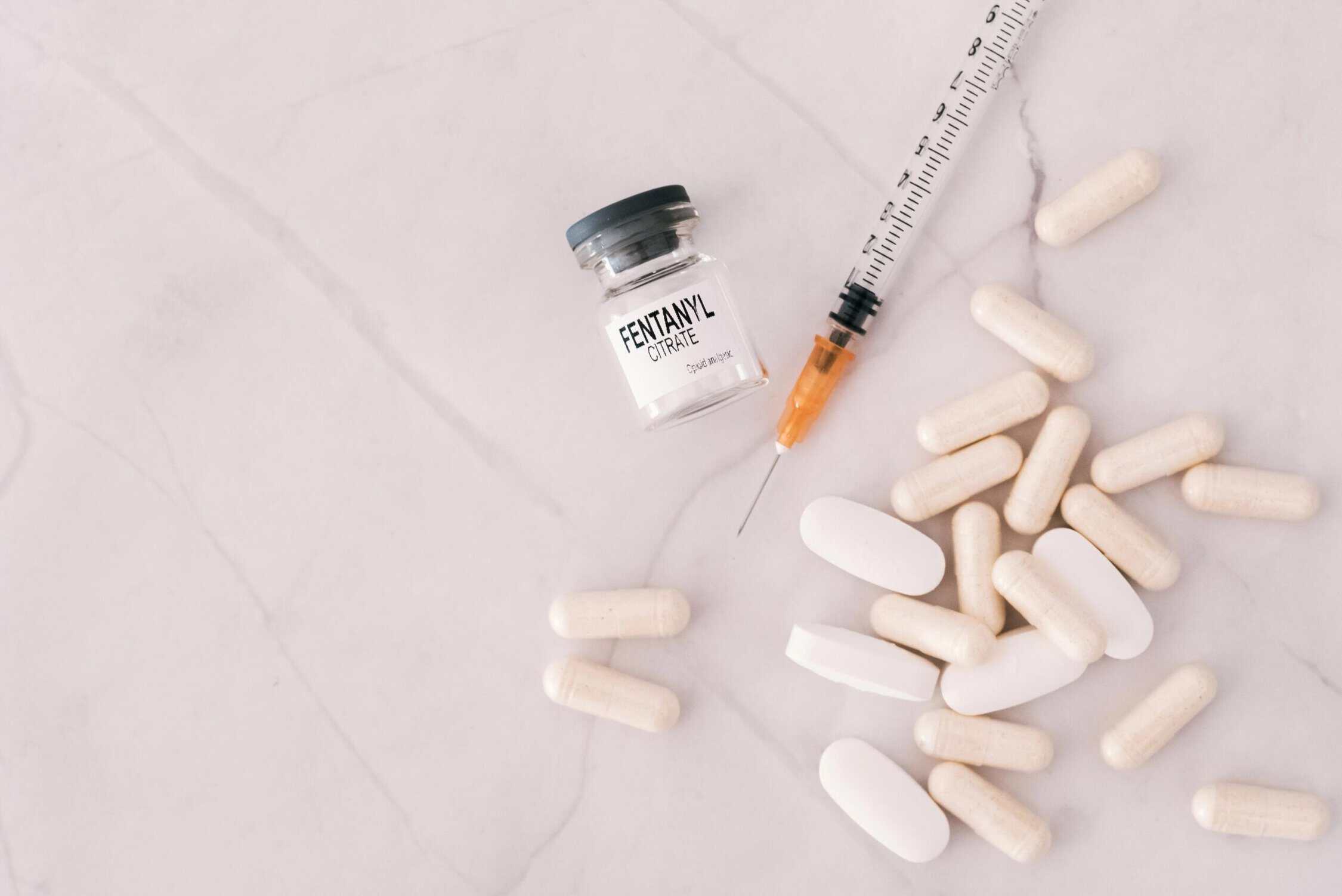
If you or someone you love has been exposed to fentanyl, it’s completely normal to start asking questions about what happens next, especially how long does fentanyl stay in your system. This powerful opioid moves through the body quickly, but its effects and detectability can vary depending on factors like dosage, frequency of use, metabolism, and overall health. Understanding how long fentanyl remains in the body can help you make informed decisions about safety, medical care, and the next steps toward recovery if needed.
How long does fentanyl stay in your system for a drug test?
When you are facing a drug test, knowing the timeline is crucial. The detection window for fentanyl varies significantly depending on the specific type of test being used. It also depends on how your body processes the substance. Because the drug breaks down into a specific metabolite called norfentanyl, it often remains detectable long after the initial effects have worn off. Medical professionals and laboratories rely on different drug testing methods. These range from standard urine screens to more complex blood tests, with each offering a distinct window of detection. The table below provides a clear summary of these typical timelines.
Keep in mind that these timeframes are estimates. Drug testing relies on detecting both the parent drug and its primary metabolite. A standard saliva test or hair test can reveal different patterns of use, from very recent exposure to a history spanning several months. Ultimately, your unique biological factors will influence the exact time it takes for your system to clear the substance completely.
Factors that influence how long fentanyl stays in your system
The timelines provided for a drug test are not absolute guarantees. Several biological and behavioral factors can extend or shorten how long the substance remains detectable in your body.
Usage frequency, dosage, and method of Use
Because fentanyl is highly lipophilic, it binds to fat cells and accumulates in the body over time. For a person with an opioid use disorder engaging in chronic use, this accumulation creates a much longer detection window. Dosage also matters, as larger amounts take longer to clear. Additionally, the method of administration plays a role. Intravenous use is typically processed and cleared faster than using transdermal patches. Patches release the medication slowly into the skin, which can significantly extend the drug’s presence.
Metabolism, age, and liver function
Individual metabolic rates play a crucial role in drug elimination. Fentanyl is processed primarily in the liver by specific enzymes. If you have compromised liver function, your body will clear the drug much more slowly. Age and body mass also affect your metabolism. Older individuals often process medications at a reduced rate. This means the clearance timeline often varies from that of a younger person with a faster metabolic rate.
Mixing fentanyl with other drugs
Polysubstance use heavily taxes the body’s natural filtering systems. If you are mixing fentanyl and meth, or combining it with heroin and other illicit opioids, your liver works much harder. It struggles to metabolize multiple complex chemicals at once. This simultaneous processing can slow your body’s overall clearance. This prolongs the detection window for every substance involved. As tolerance builds, these metabolic delays can become even more pronounced.
How long does fentanyl last? effects vs. detection
It is important to understand the significant difference between how long does fentanyl last in terms of its physical effects and its actual detection window. The euphoric high from this synthetic opioid is relatively short, often lasting only thirty minutes to two hours. This brief window is deceptive because the drug has a half-life of three to seven hours. This means it remains active in your bloodstream and tissues long after the initial rush fades.
This disconnect between the fading high and the drug’s continued presence in the body is incredibly dangerous. Because the effects wear off quickly, a person might assume the drug has left their system and take another dose. Since the substance is up to 100 times more potent than morphine and 50 times stronger than heroin, redosing causes the drug to rapidly accumulate. This stacking effect severely suppresses the central nervous system. It leads to profound respiratory depression, a lack of oxygen to the brain, and an immediate risk of a fatal overdose.
While the immediate, noticeable impact might seem fleeting, the physical toll on your body persists. The drug is still binding to receptors, altering your brain chemistry, and lingering in your fat tissues for days. Recognizing that a short-lived high does not equate to a short-lived risk is a vital step in understanding the true danger of this substance. It highlights the critical need for professional medical intervention.
Steps forward to take to overcome opioid addiction
Taking the step toward recovery from addiction is deeply challenging, especially when you’re facing the physical reality of withdrawal. Fentanyl is a powerful synthetic opioid, and when your body has adapted to it, stopping can feel overwhelming. But understanding what to expect, and knowing you don’t have to go through it alone, can make a huge difference.
What fentanyl withdrawal feels like
When you stop using fentanyl, your body reacts quickly. Withdrawal symptoms often begin within six to twelve hours after your last use. These can include severe anxiety, muscle aches, insomnia, sweating, and intense nausea.
Over the next few days, symptoms can peak and feel incredibly uncomfortable. For many people, this is the hardest part. The discomfort can be so intense that it leads people to return to use just to get relief. This is why trying to quit alone can be both overwhelming and risky.
Why medical detox matters
Professional medical detox provides a safe and structured environment where you’re not dealing with this alone. Instead of trying to push through withdrawal by yourself, you have trained staff monitoring your symptoms and helping manage any complications.
This kind of support can make the process feel more manageable. It also reduces the risk of relapse during those first critical days when symptoms are at their worst.
Medications that support recovery
A key part of medical detox often includes medication support. FDA-approved medications like Buprenorphine and Naltrexone are commonly used to help stabilize the body.
These medications work by reducing cravings and helping regulate brain chemistry. They can also block the euphoric effects of other opioids, which lowers the risk of returning to use. This creates a more stable foundation for your central nervous system to begin healing.
Healing beyond detox
Detox is just the beginning. Once your body is physically stabilized, the focus shifts to the emotional and psychological side of recovery.
Through individual counseling and group therapy, you start to identify triggers and understand what led to substance use in the first place. You also begin building healthier coping strategies and connecting with others who understand what you’re going through.
What to do next: how our team can help
Understanding the detection timelines and physical effects of synthetic opioids is a practical way to grasp the severe impact these substances have on your body. The drug binds to your tissues and alters your brain chemistry long after the initial effects fade. Trying to manage the physical and psychological toll without medical support is incredibly dangerous.
If you are experiencing intense withdrawal or struggling to stop using, reaching out for clinical care is a direct, actionable choice for your safety. You can connect with a medication-assisted treatment program to evaluate your medical needs and create a structured plan for detoxification. Call (888) 899-3880 to speak with a care coordinator at Red Ribbon Recovery. We can discuss your specific situation and help you schedule an intake assessment today. Contact us today.
Frequently asked questions
A common question is how long does fentanyl stay in your system, and the answer depends on several factors. Fentanyl is a powerful synthetic opioid that is rapidly absorbed and metabolized, but its metabolites can remain detectable in the body for longer. Detection times vary based on dosage, frequency of use, metabolism, and individual factors like liver and kidney function. Even though the half-life of fentanyl is relatively short, traces can still be found in the system after the last dose.
How long fentanyl is detectable depends on the type of drug test used. Blood tests may detect fentanyl for a short window, while a urine test can often detect it for a few days after use. Saliva tests typically have a shorter detection period, while hair tests can detect fentanyl use for much longer, sometimes up to 90 days. Standard drug tests don’t always detect fentanyl unless they are specifically designed to do so.
There are multiple factors that influence how long fentanyl stays in your system. These include the dose taken, whether it was prescribed or illicit fentanyl, and how frequently it’s used. Individual factors like metabolism, body composition, and overall health also matter. Because fentanyl has high lipophilicity, it can be stored in fatty tissues and may stay in the system longer with frequent use or higher doses.
Yes, fentanyl is highly addictive because it strongly binds to opioid receptors in the central nervous system. Repeated fentanyl use can quickly lead to opioid addiction. When someone stops using, they may experience withdrawal symptoms such as anxiety, sweating, muscle aches, and intense cravings. These symptoms can be difficult to manage without medical support.
Treatment for fentanyl addiction often includes medication assisted treatment, which uses medications to reduce cravings and support recovery. This approach is especially important given the high risk of overdose associated with fentanyl and other opioids like heroin or morphine. Treatment programs may also include behavioral therapy and medical supervision to address both the physical and mental aspects of addiction. Seeking help early can significantly improve outcomes and support long-term recovery.
Sources
- National Institute of Justice. (September 26, 2024). Detecting fentanyl use through court-ordered mandatory drug testing. National Institute of Justice.
- MedlinePlus. (December 8, 2025). Opioid testing: MedlinePlus medical test. MedlinePlus.
- National Library of Medicine. (May 17, 2023). Fentanyl absorption, distribution, metabolism, and excretion (ADME). National Library of Medicine.
- National Library of Medicine. (January 19, 2021). Co-use of methamphetamine and opioids among people in treatment for substance use disorder. National Library of Medicine.
- National Center for Biotechnology Information. (May 29, 2023). Fentanyl. StatPearls.
- Office of the Assistant Secretary for Planning and Evaluation. (September 3, 2019). Non-fatal opioid overdose and associated health outcomes: Final summary report. U.S. Department of Health and Human Services.
- National Institute on Drug Abuse. (March 20, 2025). Medications for opioid use disorder. National Institute on Drug Abuse.
- National Center for Biotechnology Information. (November 17, 2016). Early intervention, treatment, and management of substance use disorders. National Academies Press.