
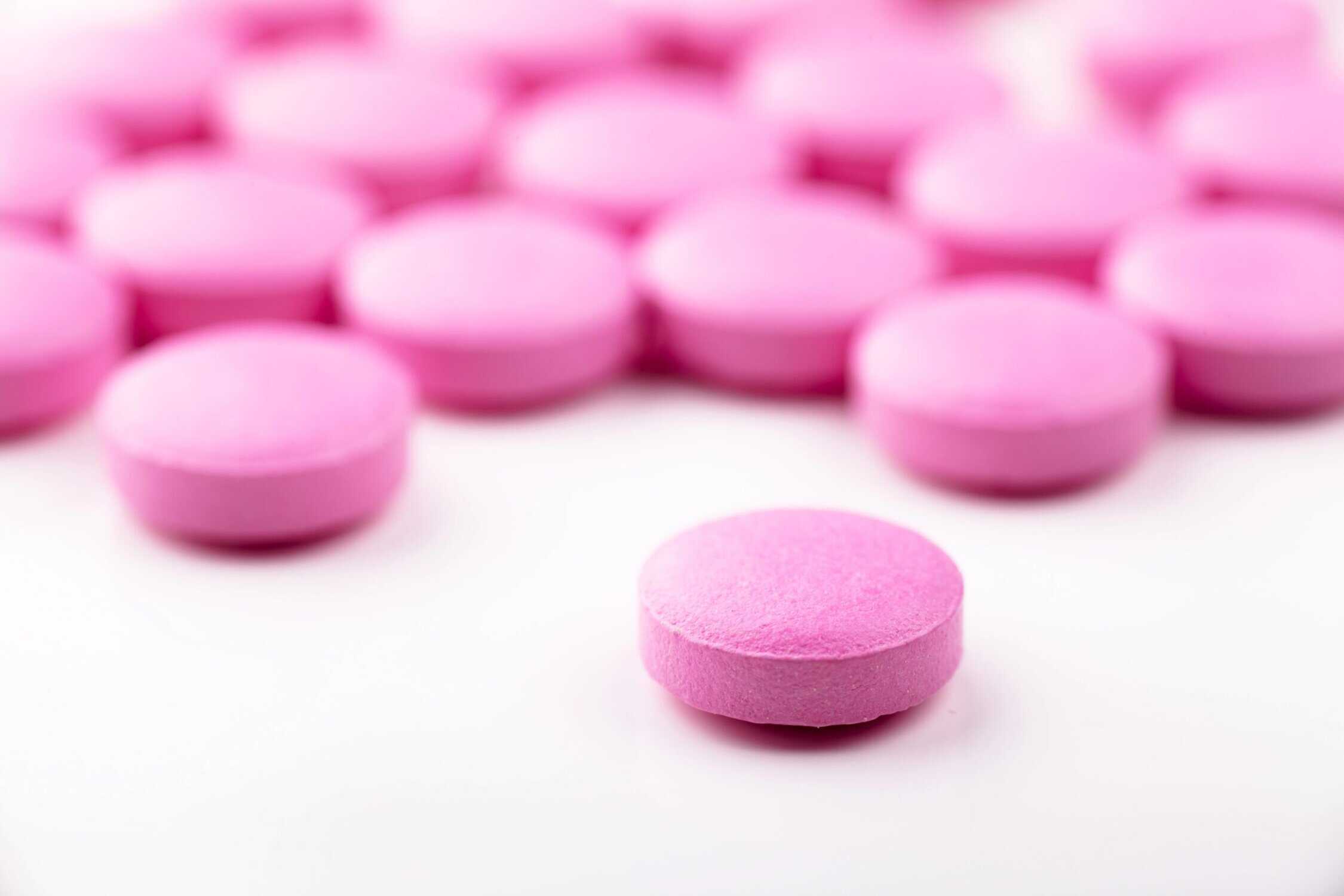
If you’ve come across a small, round, pink pill with “K 56” stamped on it, you might be wondering what it is, what it’s for, and why it’s important to be informed about it. Finding an unfamiliar medication can be unsettling, whether it’s in your own prescription bottle or a loved one’s. You’re in the right place to get clear, straightforward answers. This isn’t about judgment; it’s about understanding. Taking the time to learn about this pill is a crucial first step toward safety and awareness, and we’re here to walk through it with you, one piece of information at a time.
What is the K 56 pink pill?
The K 56 pink pill is a prescription medication containing 10 mg of oxycodone hydrochloride. It’s a specific type of opioid analgesic, which is a powerful pain reliever. This particular tablet is round, pink, and has the imprint “K 56” on one side. It is manufactured by KVK-Tech, Inc. As an immediate-release tablet, it’s designed to start working relatively quickly to manage moderate to severe pain.
To be direct: yes, the K 56 pink pill is an opioid. Because of this, it is classified by the Drug Enforcement Administration (DEA) as a Schedule II controlled substance. This classification means that while it has a legitimate and accepted medical use, it also has a high potential for abuse, which can lead to severe psychological or physical dependence. Understanding the risks associated with these types of medications is essential for anyone who uses them or has a loved one who does. For those seeking more information on the complexities of such medications, learning about prescription drug addiction treatment can provide valuable context.
How the K 56 pink pill (oxycodone 10 mg) Works
So, how does this medication actually relieve pain? The active ingredient, oxycodone, is a semi-synthetic opioid that works by changing the way your brain and nervous system respond to pain. When you take it, the oxycodone travels through your bloodstream to your brain, spinal cord, and other areas of your body.
There, it attaches to specific proteins called opioid receptors. Think of these receptors as locks and the oxycodone as a key. When the key fits into the lock, it blocks pain signals from being sent to your brain. This is what provides powerful pain relief. At the same time, this action triggers the release of dopamine, a chemical in the brain associated with pleasure and reward. This release causes feelings of euphoria and relaxation, which is a major reason why opioids like the K 56 pill have a high potential for misuse and addiction. For those struggling with this cycle, comprehensive opioid addiction treatment can help address both the physical and psychological aspects of dependence.
For an immediate-release tablet like this one, the effects typically begin within 15 to 30 minutes and last for about 3 to 6 hours.
Legitimate medical uses of oxyocdone
When prescribed and monitored by a doctor, the K 56 pill serves an important purpose. It is intended for pain that is severe enough to require an opioid pain reliever and when other non-opioid medications are not able to provide adequate pain relief. It should only be used under strict medical supervision. Some of the legitimate medical uses include:
- Pain management after a major surgery.
- Relief from pain caused by a serious injury, such as a bone fracture.
- Short-term management of severe back pain.
- Pain associated with cancer or other serious illnesses.
Side effects of K-56 pink pill
Like any powerful medication, the K 56 pink pill comes with potential side effects. It’s important to be aware of these, whether you’re taking it yourself or caring for someone who is. Some effects are common and manageable, while others can be serious and require immediate medical attention.
One of the greatest dangers is mixing oxycodone with other substances that slow down the central nervous system, such as alcohol, benzodiazepines (like Xanax or Valium), or even some sleep aids. Combining these can dramatically increase the risk of severe side effects, especially respiratory depression, where breathing becomes dangerously slow or stops altogether. According to MedlinePlus, this combination can lead to profound sedation, coma, and can be life-threatening.
Common side effects
These side effects are more frequent but are generally not life-threatening. However, if they become persistent or particularly bothersome, it’s always a good idea to speak with a doctor. Common side effects include:
- Drowsiness or feeling sleepy
- Lightheadedness or dizziness
- Nausea and vomiting
- Constipation
- Dry mouth
- Headache
- Itching
Serious side effects
The following side effects are signs of a potential medical emergency. If you or someone you know experiences any of these after taking the K 56 pill, you should seek immediate medical help by calling 911.
- Shallow or weak breathing (respiratory depression): This is the most dangerous side effect.
- Severe drowsiness or inability to wake up: A sign of significant central nervous system depression.
- Confusion or disorientation: A change in mental state can be a red flag.
- Feeling faint or extremely dizzy: This could indicate a drop in blood pressure.
- Signs of an allergic reaction: This can include hives, a rash, or swelling of the face, lips, tongue, or throat.
The risk of Oxycodone abuse and addiction: opioid use disorder
Can you get addicted to the K 56 pink pill? The answer is a clear and simple yes. As a powerful opioid, oxycodone carries a significant risk of leading to dependence and addiction, even when taken as prescribed. This process often starts with tolerance, where your body needs higher doses of the medication to achieve the same pain-relieving effect. As tolerance builds, physical dependence can follow, meaning your body has adapted to the presence of the drug and you experience withdrawal symptoms if you stop taking it.
This can escalate into opioid use disorder (OUD), a medical condition defined by the compulsive use of opioids despite harmful consequences. It’s not a moral failing or a lack of willpower; it’s a chronic brain disease that requires compassionate, evidence-based care. Research shows that among adults who use prescription opioids, a significant number, about 1 in 8, misuse them, and about 1 in 14 meet the criteria for OUD. If you are concerned about your own use or that of someone you care about, please know that reaching out for help is a sign of strength.
Symptoms of OUD
Recognizing the signs of opioid use disorder is the first step toward getting help. These symptoms can be behavioral, social, or physical. They may include:
- Taking the medication in larger amounts or for a longer period than was intended.
- Having a persistent desire to cut down on use but being unsuccessful in those attempts.
- Spending a great deal of time obtaining, using, or recovering from the effects of the opioid.
- Experiencing strong cravings or urges to use the drug.
- Neglecting major responsibilities at work, school, or home.
- Continuing to use opioids despite having persistent social or relationship problems caused by it.
- Giving up or reducing important social, occupational, or recreational activities because of use.
- Developing tolerance and experiencing withdrawal symptoms when not using.
How long is the oxycodone detectable?
A common question is how long oxycodone from the K 56 pill stays in your system. The detection window varies depending on the type of test used, as well as individual factors like metabolism, dose, and frequency of use. Here are some general timelines:
- Urine: Detectable for up to 3-4 days after the last use.
- Blood: Typically detectable for up to 24 hours.
- Saliva: Can be found in saliva for about 1-4 days.
- Hair: Like many substances, it can be detected in hair follicles for up to 90 days.
What do I need to know about oxycodone overdose?
An overdose on oxycodone is a life-threatening medical emergency. It happens when a person takes a dose that is too high for their body to handle, leading to severe depression of the central nervous system. The primary and most immediate danger is respiratory depression, where breathing becomes dangerously slow or stops completely. This can quickly lead to brain damage, coma, or death.
The risk of an overdose is highest for individuals who take larger doses than prescribed, misuse the medication by crushing or snorting it, or mix it with other substances like alcohol or benzodiazepines. It’s also a risk for people who have a lower tolerance, such as someone who has recently detoxed or is new to using opioids. Having naloxone (often known by the brand name Narcan) on hand is a critical safety measure for anyone at risk of an opioid overdose. This medication can rapidly reverse the effects of an overdose and is available in many communities. The National Institute on Drug Abuse provides more details on its life-saving potential.
Signs of an overdose
Knowing the signs of an overdose can save a life. If you see someone exhibiting these symptoms, it’s crucial to act immediately. The key signs include:
- Extremely slow, shallow, or stopped breathing.
- Very small, constricted “pinpoint” pupils.
- Pale, cool, or clammy skin.
- Blue or purple lips or fingernails.
- Limp body and inability to be woken up (unresponsiveness).
- Gurgling, choking, or snoring sounds.
Frequently asked questions
Pink oxycodone works by affecting the central nervous system, specifically the brain and spinal cord. It attaches to opioid receptors and changes how the body processes pain signals, providing effective pain relief for severe pain and chronic pain. Because it also activates the brain’s reward system, it can produce feelings of euphoria, which increases the risk of oxycodone abuse and opioid addiction. Higher doses increase overdose risks and may slow the respiratory system, potentially leading to respiratory depression, which can be life threatening.
Yes. Oxycodone is highly addictive and can lead to both physical and psychological dependence. Even people with legitimate prescriptions may develop physical dependence, meaning they experience withdrawal symptoms if they stop suddenly. Psychological dependence involves cravings and compulsive use tied to the brain’s reward system. Individuals with a personal or family history of substance abuse, drug abuse, or mental health conditions may face increased risk. Misusing other drugs along with prescription opioids also raises the likelihood of opioid use disorder and severe addictions.
An oxycodone overdose is a medical emergency. Because this prescription opioid depresses the central nervous system, taking higher doses than prescribed or mixing it with other opioids, alcohol, or sedative medications can cause respiratory depression. Symptoms may include slowed breathing, extreme drowsiness, blue lips, or unconsciousness. The potentially fatal risk is significant, and overdose deaths have increased nationwide according to disease control data tied to the broader opioid overdose crisis. Immediate emergency medical attention is critical if an opioid overdose is suspected.
A hopeful path forward from opioid dependence
Evidence-based care, such as our outpatient programs, allows you to heal while managing your daily responsibilities. For many, addiction is intertwined with mental health challenges like anxiety or depression. That’s why dual diagnosis treatment is so important, it addresses both issues at the same time for more effective, long-term recovery. With locations in Indiana and Colorado, as well as nationwide telehealth services, compassionate care is accessible. Taking that first step is often the hardest part, but it’s the one that changes everything.
Understanding the K 56 pink pill is about more than identifying a medication; it’s about recognizing the potential risks and the opportunity for healing. If you or a loved one is struggling with opioid dependence, please know that compassionate, professional help is available. You don’t have to face this alone. Call us today at (888) 899-3880 for a confidential conversation about your path to recovery. At Red Ribbon Recovery, we’re here to support you. Contact us today.
Sources
- U.S. Department of Justice, Drug Enforcement Administration. (December 3, 2025). Controlled Substance Schedules. DEA Diversion Control Division.
- Rosalind Franklin University. (January 1, 2018). Controlled Substances. Rosalind Franklin University.
- Texas State Board of Pharmacy. (January 1, 2014). Controlled Drugs. Texas State Board of Pharmacy.
- U.S. Department of Education. (July 1, 2022). Drug Scheduling and Penalties. Campus Drug Prevention.
- Yanis A, et al. (July 30, 2023). Drug Enforcement Administration Drug Scheduling. StatPearls. National Center for Biotechnology Information.
- Indiana Department of Health. (March 31, 2021). Drug Schedules 1-5. Indiana Department of Health.
- U.S. Department of Justice, Drug Enforcement Administration. (April 13, 2020). The Controlled Substances Act. DEA.gov.
- University of California, Los Angeles. (July 7, 2025). What is a controlled substance?. Environment, Health & Safety.
- Congressional Research Service. (January 22, 2025). The Controlled Substances Act (CSA): A Legal Overview. Congress.gov.
- National Center for Biotechnology Information. (June 28, 2019). Oxycodone-Mediated Activation of the Mu Opioid Receptor Reduces Whole-Brain Functional Connectivity in Mice. PMC.
- University of California, San Francisco. (February 1, 2004). Oral Opioids (Hydrocodone, Oxycodone, Hydromorphone, Morphine). UCSF Pain Management.
- Yanis A, et al. (July 24, 2023). Physiology, Opioid Receptor. StatPearls. National Center for Biotechnology Information.
- Yanis A, et al. (February 20, 2024). Oxycodone. StatPearls. National Center for Biotechnology Information.
- U.S. Department of Justice, Drug Enforcement Administration. (April 1, 2021). Oxycodone. DEA.gov.
- U.S. Food and Drug Administration. (2009). OXYCONTIN (oxycodone HCl extended-release tablets). FDA.
- National Library of Medicine. (September 15, 2025). Oxycodone. MedlinePlus.
- Substance Abuse and Mental Health Services Administration. (June 10, 2014). Oxycodone and hydrocodone: detection in urine, oral fluid, and blood. SAMHSA.
- National Library of Medicine. (December 8, 2025). Opioid Testing. MedlinePlus.
- National Center for Biotechnology Information. (January 1, 1999). Appendix B. Urine Collection and Testing Procedures. NCBI Bookshelf.
- University of Illinois at Chicago. (January 23, 2017). What drugs are likely to interfere with urine drug screens?. Drug Information Group.
- Centers for Disease Control and Prevention. (April 16, 2024). Opioid Use Disorder: Diagnosis. CDC.
- Substance Abuse and Mental Health Services Administration. (June 9, 2023). National Helpline. SAMHSA.
- National Center for Biotechnology Information. (February 11, 2025). Who to Treat. NCBI Bookshelf.
- Substance Abuse and Mental Health Services Administration. (July 28, 2025). SAMHSA Releases Annual National Survey on Drug Use and Health. SAMHSA.
- National Institute on Drug Abuse. (March 7, 2024). NIDA IC Fact Sheet 2025. NIDA.
- National Center for Biotechnology Information. (May 5, 2024). Naloxone. StatPearls. National Center for Biotechnology Information.
- National Library of Medicine. (September 19, 2024). How naloxone reverses opioid overdoses (and why it’s important to have on hand). MedlinePlus Magazine.
- National Institute on Drug Abuse. (January 11, 2022). Naloxone DrugFacts. NIDA.
- U.S. Department of Health and Human Services. (February 1, 2013). Naloxone. CHEMM.
- Centers for Disease Control and Prevention. (May 6, 2024). Guideline Recommendations and Guiding Principles. CDC.
- National Institute on Drug Abuse. (July 2, 2025). NIDA HEAL Opioid Use Disorder and Overdose Strategic Plan FY 2025. NIDA.
- Centers for Disease Control and Prevention. (June 9, 2025). Preventing Opioid Overdose. CDC.
- Centers for Disease Control and Prevention. (June 9, 2025). Understanding the Opioid Overdose Epidemic. CDC.
- Centers for Disease Control and Prevention. (September 4, 2020). Vital Signs: Characteristics of Drug Overdose Deaths Involving Opioids and Stimulants. CDC.